
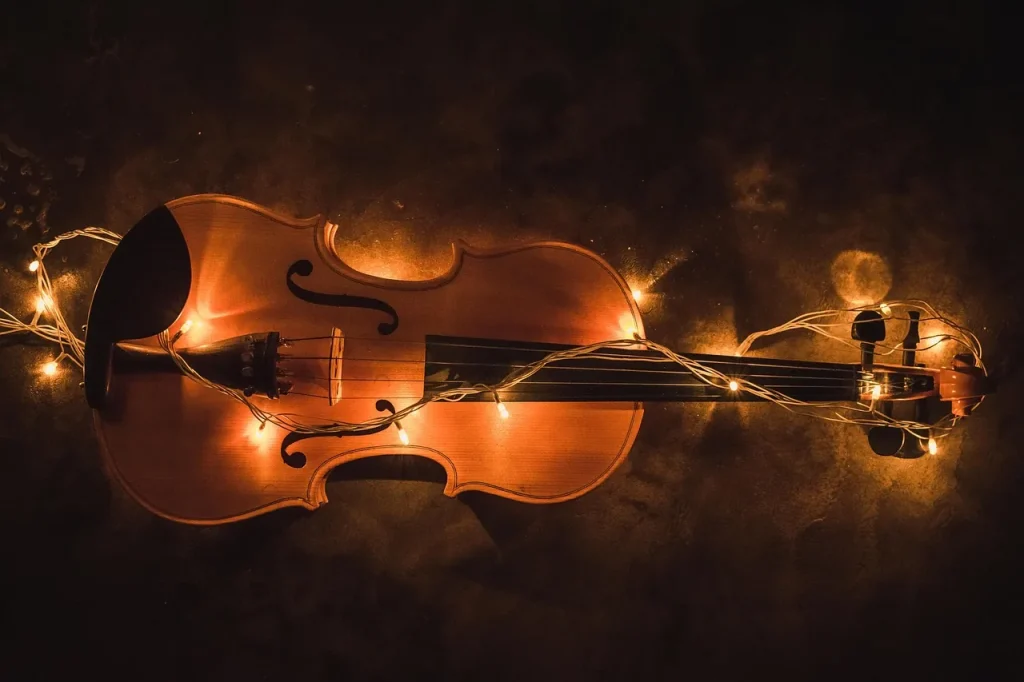
Baroque style, which emerged in Italy in the 16th century, evolved in fascinating ways across European countries. This artistic movement is characterized by dynamic forms, lavish decoration, and dramatic effects. Encouraged by the Roman Catholic Church to move the faithful, Baroque quickly gained popularity.
Baroque architecture, with its ornate façades and curved lines, is a striking example of this style. Majestic churches and grand palaces were built throughout Europe, creating an opulent and theatrical aesthetic. Baroque art, Baroque music, Baroque painting, and Baroque sculpture also flourished, thanks to talented artists such as Rubens, Velázquez, and Caravaggio, who made significant contributions to the movement.
Baroque influence extended far beyond Italy. France played a major role in the development of Baroque style, with artists such as Bernini bringing their own vision to art and architecture. Opulence, theatricality, creativity, and urban design are among the distinctive features of Baroque that shaped European artistic expression.
The evolution of Baroque style in Europe created a lasting legacy that contrasted with the classical aesthetic previously in favor. This artistic movement shaped Europe’s architectural and artistic landscape, leaving an indelible mark. In the following sections, we will explore Baroque’s origins in Italy, its development in France, and its impact on Europe in detail.
The origins of Baroque style in Italy
Italy is the birthplace of Baroque style. Talented architects such as Giacomo della Porta played an essential role in its emergence. In the 16th century, Italy was experiencing a cultural and artistic boom, and Baroque style began to develop in this setting. Italian architects were the first to experiment with the dynamic forms, decorative details, and interplay of light and shadow characteristic of Baroque.
The Church of the Gesù in Rome is a remarkable example of Giacomo della Porta’s influence on the development of Baroque style in Italy. Designed by della Porta, this church is considered one of the earliest examples of Baroque architecture. It has an ornate façade and dramatic architectural elements that characterize the style.
| Characteristics of Baroque style in Italy | Examples |
|---|---|
| Use of dynamic and asymmetrical forms | Church of the Gesù in Rome |
| Exuberant decoration and intricate details | Frescoes of the Sistine Chapel in the Vatican |
| Use of light and shadow | St. Peter’s Basilica in Rome |
Over time, Italian Baroque style influenced other European countries, helping the movement spread. The expressive power, opulence, and theatricality of Italian Baroque captivated artists and audiences across the continent. The emergence and development of Baroque style in Italy laid the foundations for an artistic era marked by extravagance, creativity, and a lasting impact.
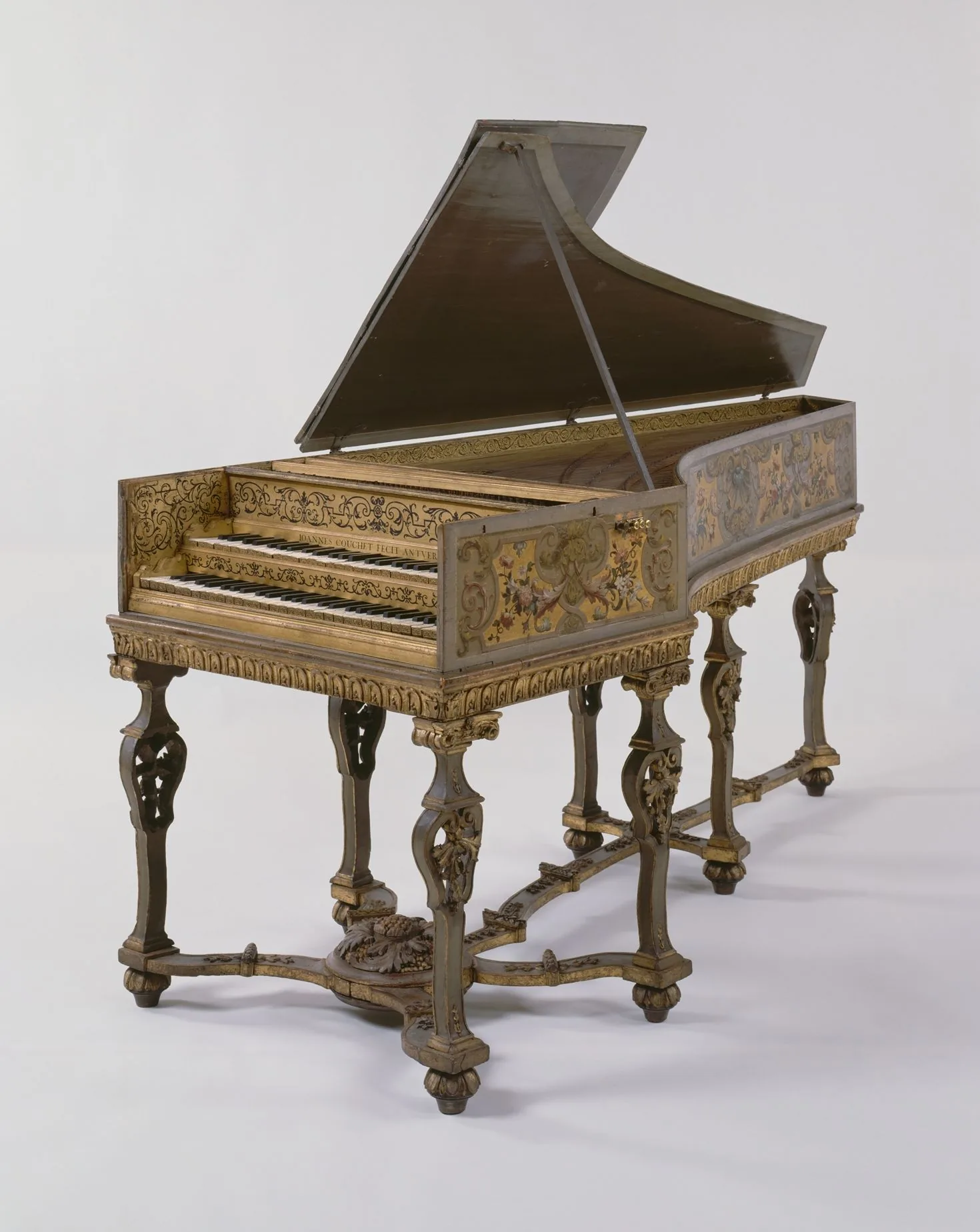
The development of Baroque style in France
France was an important center for the development of Baroque style, with artists such as Bernini shaping its evolution in the country. French Baroque style is characterized by attention to detail, grandeur, and a desire to impress viewers. French architects created imposing, majestic buildings with features such as domes, columns, and richly ornamented façades. One of the most iconic achievements of French Baroque is the Palace of Versailles, which embodies the style’s opulence and grandeur.
French artists also contributed to the evolution of Baroque style. Bernini, the celebrated Italian sculptor, was invited to France to work on projects such as the decoration of the chapel at the Château de Vincennes. His influence on the development of Baroque style in France cannot be overstated. His dynamic, expressive sculptures captured the essence of the Baroque movement and inspired many French artists.
| Artists | Achievements |
|---|---|
| Nicolas Poussin | Mythological paintings and landscapes |
| Charles Le Brun | Decorations at the Palace of Versailles |
| Jules Hardouin-Mansart | Architectural design of the Palace of Versailles |
“Baroque style is an artistic expression that fascinates and moves us. In France, it reached a peak of splendor and creativity thanks to the talents of Bernini and other renowned artists.” — A French art critic
The development of Baroque style in France was also influenced by cultural and political factors. The French monarchy, led by Louis XIV, actively supported Baroque art to strengthen its power and prestige. Artists were encouraged to create grand and spectacular works that reflected the grandeur of the French monarchy. Over time, however, Baroque style began to decline in France, giving way to new artistic movements such as Rococo.
French Baroque had considerable influence on neighboring European countries. French artists such as Nicolas Poussin, Charles Le Brun, and Jules Hardouin-Mansart spread Baroque ideas and techniques across the continent. French Baroque style also inspired artists abroad, including Johann Bernhard Fischer von Erlach in Austria and Johann Balthasar Neumann in Germany, who incorporated Baroque elements into their own architectural work.
In conclusion, the development of Baroque style in France was marked by remarkable artists such as Bernini and grand works such as the Palace of Versailles. French Baroque influenced all of Europe, leaving a lasting artistic legacy. This artistic movement flourished because the French monarchy sought to promote grandeur and splendor, and it continues to captivate art lovers around the world.
List of French Baroque artists and achievements:
- Nicolas Poussin — Mythological paintings and landscapes
- Charles Le Brun — Decorations at the Palace of Versailles
- Jules Hardouin-Mansart — Architectural design of the Palace of Versailles
“Bernini, a major artist of French Baroque” — Source: https://www.metmuseum.org/essays/gian-lorenzo-bernini-1598-1680
Maintain a logical progression throughout this section, in keeping with the article structure provided.
Baroque influence in Europe
Baroque style quickly gained popularity in Europe, influencing renowned artists such as Rubens, Velázquez, and Caravaggio in their artistic approaches. This bold, flamboyant movement left an indelible mark on the European art scene and helped redefine the aesthetic standards of the time.
The Flemish artist Rubens, known for his dynamic paintings full of life, was strongly influenced by Baroque style. His works are characterized by vivid colors, dramatic compositions, and realistic depictions of people. Rubens captured the very essence of Baroque in paintings that emphasize emotion, energy, and grandeur. His work had a significant influence on artists of his time and continues to inspire admiration today.
“Baroque is a style that allows artists to express themselves extravagantly and theatrically. It is an explosion of color, movement, and emotion that leaves no one unmoved,” said the Spanish artist Velázquez.
Caravaggio, for his part, revolutionized Baroque painting by introducing a new realism and using strong contrasts between light and darkness. His canvases, often dark and intense, display exceptional technical skill and striking portrayals of biblical and mythological subjects. Caravaggio’s influence extended far beyond Italy, reaching northern European artists such as Rembrandt and Vermeer.
The Baroque legacy
Baroque’s impact throughout Europe was immense. It shaped the architecture, art, music, and culture of the period, leaving a rich and varied legacy. Baroque style transformed churches into architectural masterpieces, with elaborate ornamentation, magnificent frescoes, and dramatic lighting.
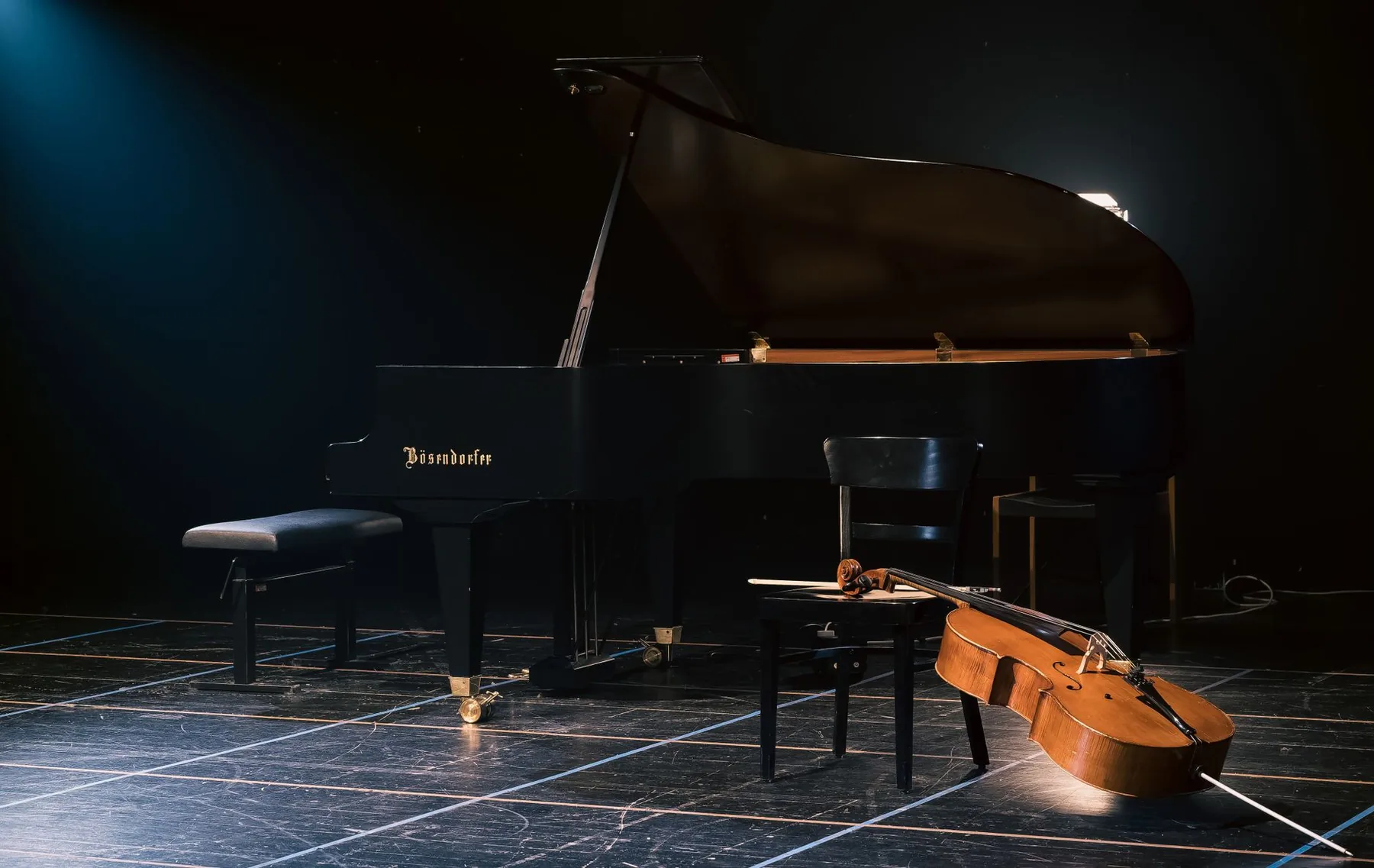 Baroque also influenced other art forms, including Baroque music, through composers such as Bach, Vivaldi, and Handel. Distinctive Baroque qualities such as opulence and theatricality also influenced the urban design of the period, giving rise to majestic squares and palaces.
| Artist | Example of a work |
|---|---|
| Rubens | The Judgment of Paris |
| Velázquez | Las Meninas |
| Caravaggio | The Conversion of Saint Paul |
Ultimately, Baroque helped revolutionize European art by offering a new artistic approach focused on movement, emotion, and grandeur. Its influence endures today, attesting to the power and timeless beauty of this distinctive artistic movement.
The distinctive characteristics of Baroque style
Baroque style is distinguished by its opulence, theatricality, creativity, and harmonious integration into urban design, making it a unique artistic movement. It emerged in Italy in the 16th century and quickly spread throughout Europe.
Opulence is one of Baroque’s most striking characteristics. Baroque artists used elaborate decorative elements, such as detailed sculptures, colorful frescoes, and precious materials, to create grand works of art. This visual opulence was intended to inspire wonder and impress viewers.
Theatricality is another major characteristic of Baroque. Baroque artists used dramatic techniques to captivate audiences, including lighting effects, striking contrasts, and dynamic compositions. Baroque works often evoke movement and action, creating an immersive experience for viewers.
Creativity is also an essential part of Baroque style. Baroque artists were known for pushing the boundaries of artistic expression through innovative perspectives and bold compositions. They were also influenced by the scientific and philosophical advances of the time, which were reflected in their inventive artistic approaches.
Finally, Baroque is distinguished by its harmonious integration into urban design. Baroque buildings were designed to fit organically into their urban surroundings, using architectural elements that complemented the surrounding landscape. This created a coherent, unified aesthetic in which art and architecture blended harmoniously.
| Baroque characteristics | Examples |
|---|---|
| Opulence | Detailed sculptures, colorful frescoes, precious materials |
| Theatricality | Lighting effects, striking contrasts, dynamic compositions |
| Creativity | Innovative perspectives, bold compositions |
| Urban design | Harmonious integration into the urban environment |
In short, Baroque style is an artistic movement distinguished by its opulence, theatricality, creativity, and harmonious integration into urban design. These characteristics helped make Baroque one of the most emblematic artistic styles in European history.
Conclusion
In conclusion, the evolution of Baroque style across European countries was a captivating journey that left an indelible mark on European art and architecture. Baroque style emerged in Italy in the 16th century and spread throughout Europe into the 18th century. It is characterized by dynamic forms, lavish decoration, and dramatic effects. Encouraged by the Roman Catholic Church to move the faithful, Baroque was shaped by renowned architects such as Giacomo della Porta in Italy and artists such as Bernini in France, who played a major role in its development.
This artistic movement also exerted a strong influence on other European countries, with artists such as Rubens, Velázquez, and Caravaggio drawing deep inspiration from Baroque. Opulence, theatricality, creativity, and urban design are among Baroque’s distinctive characteristics, contributing to its overall aesthetic and unique artistic expression.
Even today, the Baroque legacy can be seen in the works of art and buildings scattered across Europe, testifying to the movement’s importance in European history. Its opposition to classicism, pursuit of emotion, and desire to inspire wonder are aspects that defined Baroque style and continue to influence how we perceive art and architecture. In short, Baroque remains a powerful testament to human creativity and ingenuity.
FAQ
What is Baroque style?
Baroque style is an artistic movement that emerged in Italy in the 16th century and spread throughout Europe into the 18th century. It is characterized by dynamic forms, lavish decoration, and dramatic effects.
Why did the Roman Catholic Church encourage Baroque style?
The Roman Catholic Church encouraged Baroque style to move the faithful.
Which architects and artists played an important role in Baroque style?
In Italy, architects such as Giacomo della Porta contributed to the emergence of Baroque style, while in France, artists such as Bernini played a major role in its development.
Which artists were influenced by Baroque in Europe?
Baroque influenced artists such as Rubens, Velázquez, and Caravaggio.
What are the main characteristics of Baroque?
The main characteristics of Baroque are opulence, theatricality, creativity, and urban design.