
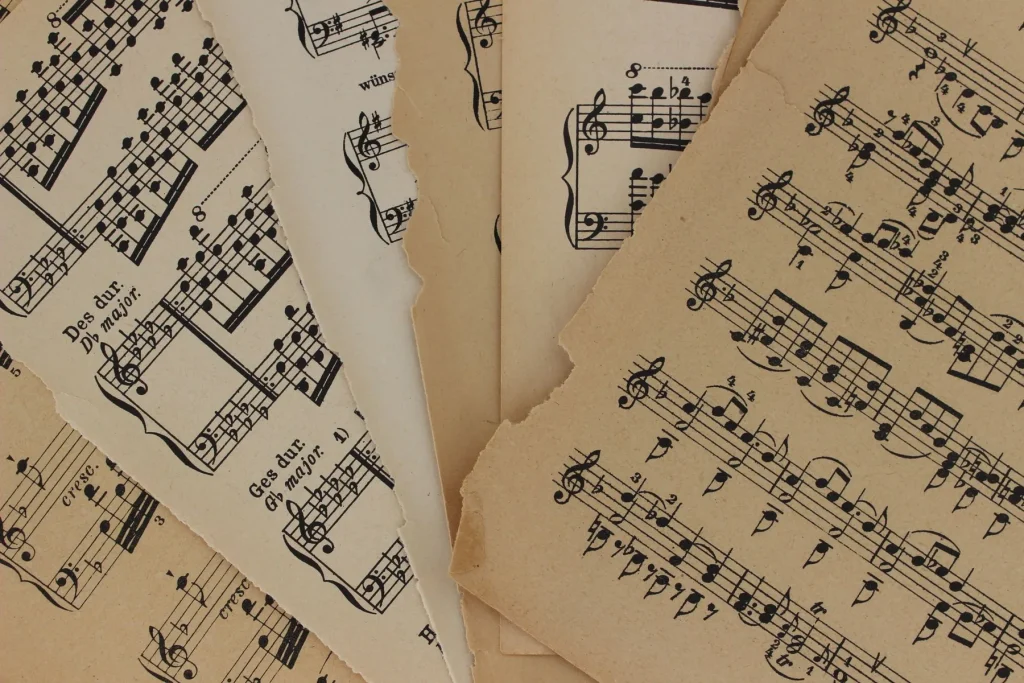
Georg Friedrich Handel is considered one of the greatest composers of Baroque music. His journey took him from Germany to England. Born in Germany, Handel left an indelible mark on the Baroque period in both countries. His music blends German, Italian, French and English styles, forming an exceptional musical legacy.
A musical journey from Germany to England
Georg Friedrich Handel began his musical career in Germany before travelling to and settling in England, where he continued to compose some of the most famous masterpieces of the Baroque period. His passion for musical composition developed at an early age in Germany, where he trained on the organ and harpsichord. Handel quickly earned a reputation as a virtuoso, impressing audiences with his exceptional technique and natural talent for composition.
Handel’s musical journey then took him to Italy, where he was strongly influenced by Italian musical traditions. There he composed some of his first operas, which were warmly received by audiences. Handel was then drawn to the opportunities available in England, where he settled permanently in 1712.
In England, Handel quickly won the hearts of audiences with his compositions. He explored various musical genres, from operas and oratorios to cantatas and concertos. His music was praised for its emotional power and technical mastery, reflecting his exceptional gift for combining different musical influences. Handel fused German, Italian, French and English traditions to create a distinctive, innovative style that shaped the Baroque period.
Musical influences
Handel’s compositions show the influence of the different musical traditions he encountered throughout his journey. His years in Germany gave him a firm grounding in German music, while his time in Italy enriched his style and technique with Italian elements. Handel also incorporated French and English touches into his compositions, creating a harmonious blend of musical styles.
Handel left an enduring musical legacy that continues to resonate through his best-known works, including the oratorio “Messiah”, “Water Music” and “Music for the Royal Fireworks”. These masterpieces demonstrate Handel’s command of musical composition and his ability to captivate listeners with timeless melodies and expressive harmonies. His contribution to Baroque music, particularly to operas and oratorios, remains unparalleled and continues to inspire generations of musicians.
| Opera | Oratorio | Cantatas | Concertos |
|---|---|---|---|
| Rinaldo | Messiah | Orpheus and Eurydice | Organ Concerto No. 13 |
| Giulio Cesare | Saul | Jauchzet Gott in allen Landen | Concerto grosso No. 1 |
| Alcina | Israel in Egypt | Erbarme dich, mein Gott | Violin Concerto in G minor |
“Music begins where the power of words ends.” — Georg Friedrich Handel
The influence of musical traditions
Georg Friedrich Handel integrated and fused German, Italian, French and English musical traditions in his compositions, creating an innovative and influential musical style. His ability to combine these different influences produced rich and varied music that continues to captivate listeners today.
German musical traditions played an essential role in the development of Handel’s music. His musical training in Germany introduced him to German techniques of composition and harmony. Handel was also influenced by Italian music, particularly opera, which was very popular at the time. He incorporated the melodic and dramatic elements of Italian opera into his own compositions, giving them a lyrical and expressive quality.
On arriving in England, Handel encountered French and English musical traditions. He incorporated elements of the French style, such as dances and elaborate orchestral forms, into his instrumental music. He also took an interest in the English style of the period, particularly vocal music in English. Handel played a pioneering role in promoting the English-language oratorio, helping to popularise the genre in English-speaking countries.
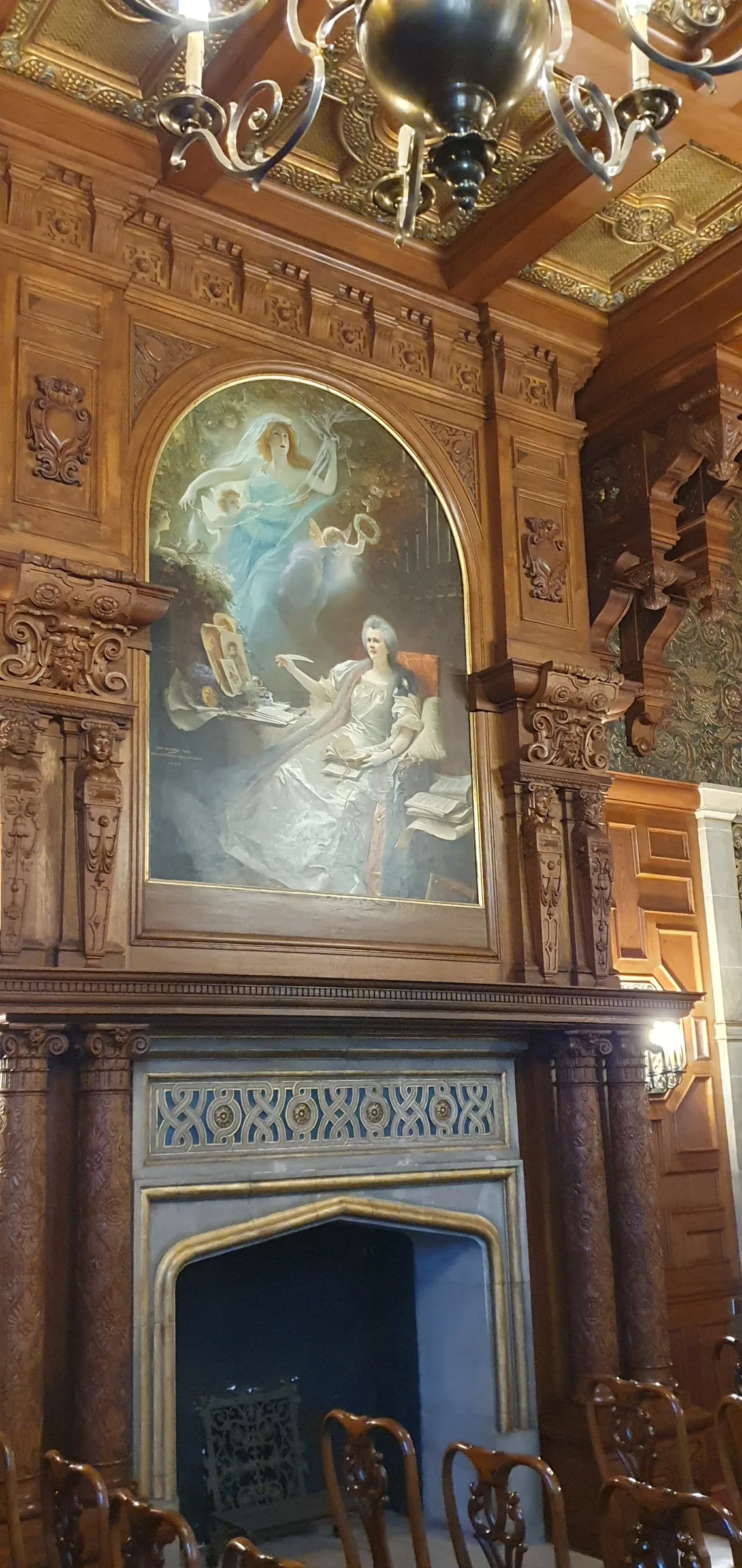
This fusion of musical traditions contributed greatly to Handel’s reputation as a composer. His ability to move between styles and combine them in innovative ways produced distinctive music that has stood the test of time. Handel’s compositions are still admired and enjoyed today for their beauty and originality.
His best-known works
Among Georg Friedrich Handel’s best-known works are the oratorio “Messiah”, “Water Music” and “Music for the Royal Fireworks”, all of which have become timeless masterpieces of Baroque music. The oratorio “Messiah” is considered one of Handel’s most famous compositions. Composed in 1741, this oratorio tells the story of Christ and is often performed during Christmas celebrations. Its blend of emotion, solemnity and musical beauty makes it an essential work of classical music.
“Water Music” is an orchestral suite composed by Handel in 1717 for a celebration on the River Thames in honour of King George I of England. The work is notable for its use of brass and strings to create powerful, dynamic movements that evoke the atmosphere of a celebration on the water. “Water Music” is often considered one of Handel’s most iconic and popular works.
“Music for the Royal Fireworks” is another major composition by Handel, written in 1749 to celebrate the end of the War of the Austrian Succession. Intended for outdoor performance, this grand work showcases Handel’s mastery of brass and percussion to create majestic, triumphant sounds. “Music for the Royal Fireworks” is often performed at major events and remains one of Handel’s most famous compositions.
Example table:
| Work | Year | Description |
|---|---|---|
| Messiah | 1741 | Oratorio about the story of Christ, often performed during Christmas celebrations |
| Water Music | 1717 | Orchestral suite for a celebration on the Thames, featuring brass and strings |
| Music for the Royal Fireworks | 1749 | Grand composition intended for outdoor performance to celebrate the end of the War of the Austrian Succession |
With these iconic works, Handel left an enduring legacy in music. His distinctive blend of German, Italian and English styles influenced many later composers and continues to inspire listeners around the world.
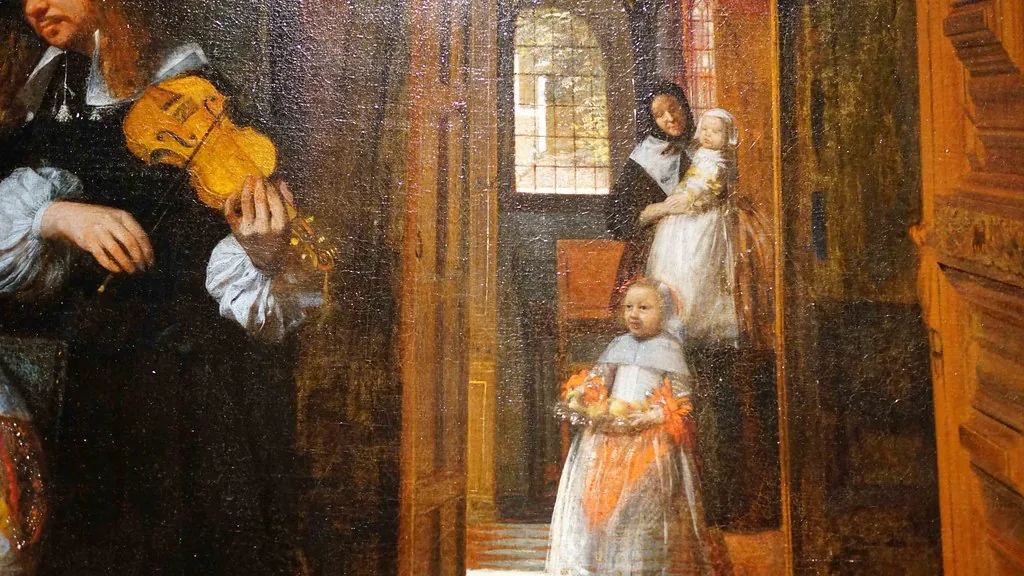
Georg Friedrich Handel retained lasting renown throughout the 19th century, a period when most of his contemporaries had been forgotten, thanks to his exceptional command of musical composition. Despite changing musical tastes and the emergence of new composers, Handel remained a respected and recognised name among both audiences and music specialists.
One reason for his enduring renown is the timeless quality of his compositions. From the majestic oratorio “Messiah” to the elegant “Water Music” and the grand “Music for the Royal Fireworks”, Handel created works that continue to fascinate and delight listeners today. His ability to convey intense emotions and set biblical stories to music remains remarkable.
Handel also played a pioneering role in promoting the English-language oratorio, contributing to his lasting renown. He adapted his compositions to the English language, allowing audiences to understand and appreciate more fully the stories he told through music. His work paved the way for many later composers who followed in his footsteps.
| Notable works | Genre | Year of composition |
|---|---|---|
| Messiah | Oratorio | 1741 |
| Water Music | Orchestral suite | 1717 |
| Music for the Royal Fireworks | Orchestral suite | 1749 |
| Tolomeo | Opera | 1728 |
Handel’s command of musical composition, his passion for innovation and his influence on Baroque music make him a composer of worldwide renown. Despite the challenges he faced throughout his career, Handel created an enduring legacy that continues to inspire later generations of musicians.
Conclusion
Georg Friedrich Handel remains one of the greatest composers of Baroque music. He left an unforgettable musical legacy that reaches beyond the borders of Germany and England. Born in Germany, Handel travelled to Italy before settling permanently in England, where he developed a distinctive musical style by fusing German, Italian, French and English traditions. His command of musical composition was exceptional, and he was renowned for his virtuosity on the organ and harpsichord.
His best-known works, such as the oratorio “Messiah”, “Water Music” and “Music for the Royal Fireworks”, have left their mark on the history of Baroque music. Handel also composed numerous operas in Italian and played a pioneering role in promoting the English-language oratorio. Even in the 19th century, when most of his contemporaries had been forgotten, Handel retained considerable renown. He continues to be celebrated for his exceptional contribution to music.
Georg Friedrich Handel now rests in Westminster Abbey in London, a symbol of his lasting influence on music. His extraordinary musical journey, his ability to fuse different styles and his iconic compositions make him one of the most respected Baroque composers of all time. Handel’s musical legacy continues to be celebrated, and his influence endures, making him an indispensable figure in Baroque music.
FAQ
Who was Georg Friedrich Handel?
Georg Friedrich Handel was a German-born Baroque composer who became a British subject. He is considered one of the greatest composers of the Baroque period.
Where was Georg Friedrich Handel born?
Handel was born in Germany.
What are Handel’s major works?
Handel’s best-known works include the oratorio “Messiah”, “Water Music” and “Music for the Royal Fireworks”. He also composed numerous operas in Italian.
How did musical traditions influence Handel’s work?
Handel fused German, Italian, French and English musical traditions in his work, creating a distinctive and innovative style.
What is Handel’s legacy as a composer?
While most of his contemporaries had been forgotten, Handel retained considerable renown during the 19th century. He is celebrated for his command of musical composition and his influence as a major Baroque composer.