
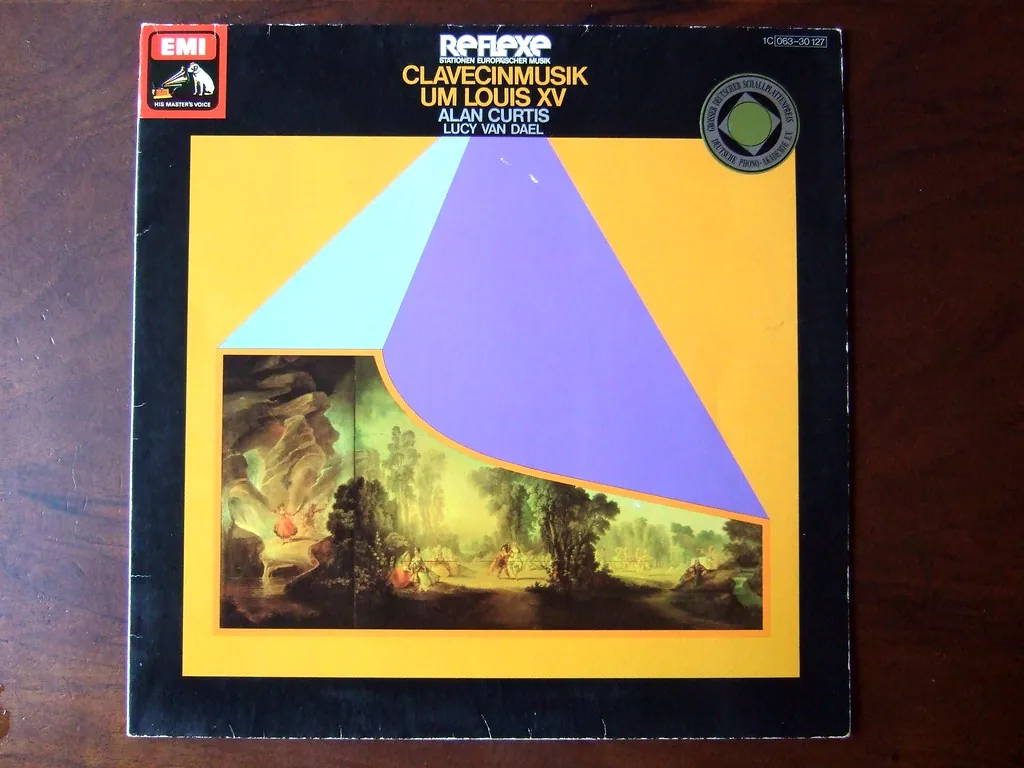
Toward the end of the 16th century, Europe was going through a turbulent period. Wars, faith and discoveries were shaking old certainties. Out of this turmoil came the Baroque, an art that sought to touch the soul before pleasing the eye. It first appeared in churches, then spread to drawing rooms and stages. Gradually, painting, music and architecture began to speak to one another. Artists no longer wanted to freeze beauty in place: they wanted to make it vibrate.
Painters played with shadow and light. Musicians explored the contrasts between tension and release. Art became alive, almost theatrical. It was more than a search for harmony: it became a way to express human fragility and the pulse of the world.
An art of movement and emotion
The Baroque turned away from the restrained lines of the Renaissance. It favored free forms, rich volumes and effects of depth. Every painting and every façade seemed to breathe. Nothing stood still.
In interiors, this energy found expression in materials and objects. Furniture became part of the drama of a room. The classic Baroque armchair, for example, with its carved armrests and heavy upholstery, embodied this taste for abundance. It was more than a place to sit. It conveyed an appreciation for gesture, comfort and a certain theatricality in everyday life.
Music followed the same impulse. In Bach and Vivaldi, notes answered one another like voices in conversation. The ear sensed a continuous flow shaped by breaks and surges. Everything was movement, breath and emotion.
The birth of an all-encompassing aesthetic
The Baroque blurred the boundaries between the arts. A church became a concert of forms, sounds and colors. Painted ceilings opened onto shifting skies. Organs answered the light from stained-glass windows. Together, they created a complete sensory experience.
This vision soon spread to literature. Playwrights explored doubt, glory and vanity. The Baroque hero hesitated, dreamed and questioned. His inner search echoed the turmoil of the world. In Latin America, the Baroque took on a new character. Local artisans wove in their traditions, symbols and colors. The style became a shared language capable of connecting distant cultures.
Frequently asked questions about the Baroque style in music and art
How can you recognize a Baroque work?
Look for movement, contrasts and a wealth of detail. Nothing in it seems still.
What are the characteristics of Baroque music?
Rhythm plays a leading role. Voices and instruments answer one another like characters on a stage.
Why is it called a theatrical style?
Because the Baroque seeks to move its audience. It stages human passions and plays on surprise.
What materials are associated with Baroque art?
Marble, gilded wood, mirrors and heavy fabrics. Each helps capture the light.
Has the Baroque disappeared?
No. It still inspires contemporary design, fashion and music. Its taste for theatrical presentation has endured for centuries.