
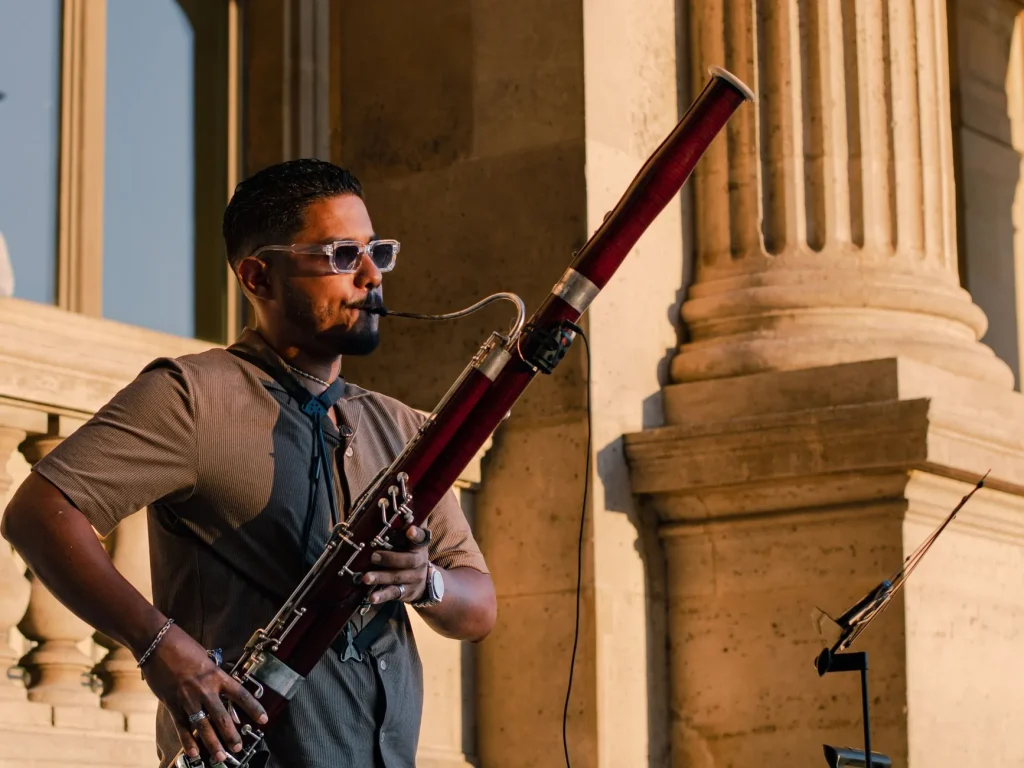
Baroque chamber music is a musical genre distinguished by its intimacy and musical dialogue. Performed by small ensembles of solo instruments, ranging from duos to decets, it evokes varied cultural, historical and geographical traditions, blending traditional and art music. This musical form brings the voice, the cello’s deep tones and the guitar to the fore, offering a distinctive richness of sound.
The chamber musicians who perform this music each play an independent part and engage in dialogue with one another. Nikolaus Harnoncourt, the renowned conductor, emphasizes the importance of an ideal interpretation of text and music in Bach, where words and sound are closely connected. The musical dialogue between the instruments and the voice creates a rich, expressive experience that can convey moral and educational meaning.
Baroque chamber music thus offers an experience combining musical intimacy with dialogue among musicians. In the following sections, we will explore the characteristics of this genre in greater detail, along with the composers and notable works that marked the period.
The Characteristics of Baroque Chamber Music
Baroque chamber music is distinguished by its use of historical instruments, a repertoire composed by renowned artists of the period, and the importance of historically informed performance. Baroque chamber ensembles are small groups of instrumental soloists, ranging from duos to decets. These groups favor an intimate approach and musical dialogue among the musicians.
The instruments used in Baroque chamber music are characteristic of the period. They include string instruments such as the violin, viola da gamba and cello, as well as wind instruments such as the transverse flute, oboe and natural trumpet. These historical instruments give Baroque music its distinctive sound.
Baroque composers such as Johann Sebastian Bach, Antonio Vivaldi and George Frideric Handel created a rich and varied chamber music repertoire. Their compositions reflect the styles and tastes of the time, blending folk influences, popular dances and formal musical traditions. Musicians who perform Baroque chamber music seek to recapture the spirit of these works faithfully through historically informed performance techniques.
Historical Instruments in Baroque Chamber Music
Historical instruments play an essential role in Baroque chamber music. Using them helps recreate the sound of the period and do justice to the compositions of Baroque composers. Musicians specializing in Baroque chamber music use faithful reproductions of historical instruments, made with the techniques and materials of the time.
| String instruments | Wind instruments |
|---|---|
| Violin | Transverse flute |
| Viola da gamba | Oboe |
| Cello | Natural trumpet |
Historically informed performance aims to respect the intentions of Baroque composers through an approach faithful to the historical period. Musicians draw on musicological research, the study of period treatises and analysis of original scores to perform the works authentically.
“In Baroque chamber music, historical instruments and historically informed performance are keys to understanding and fully appreciating the richness of this repertoire” — Nikolaus Harnoncourt
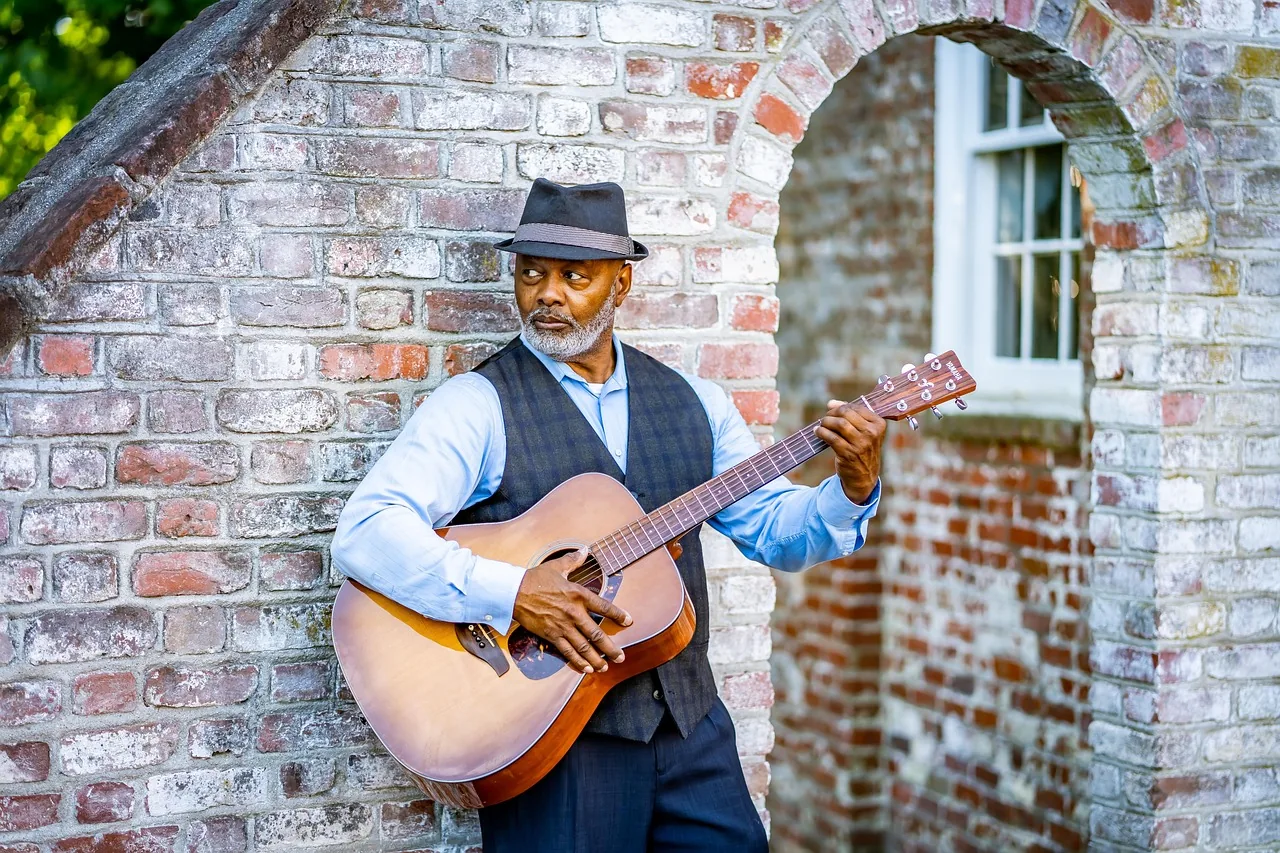
Baroque chamber music thus offers a distinctive musical experience in which dialogue between the instruments and the voice creates great expressive richness. The musicians’ intimacy and virtuosity transport listeners into a musical world imbued with moral and educational meaning.
—
The Characteristics of Baroque Chamber Music
Baroque chamber music is distinguished by its use of historical instruments, a repertoire composed by renowned artists of the period, and the importance of historically informed performance. Baroque chamber ensembles are small groups of instrumental soloists, ranging from duos to decets. These groups favor an intimate approach and musical dialogue among the musicians.
The instruments used in Baroque chamber music are characteristic of the period. They include string instruments such as the violin, viola da gamba and cello, as well as wind instruments such as the transverse flute, oboe and natural trumpet. These historical instruments give Baroque music its distinctive sound.
Baroque composers such as Johann Sebastian Bach, Antonio Vivaldi and George Frideric Handel created a rich and varied chamber music repertoire. Their compositions reflect the styles and tastes of the time, blending folk influences, popular dances and formal musical traditions. Musicians who perform Baroque chamber music seek to recapture the spirit of these works faithfully through historically informed performance techniques.
Historical Instruments in Baroque Chamber Music
Historical instruments play an essential role in Baroque chamber music. Using them helps recreate the sound of the period and do justice to the compositions of Baroque composers. Musicians specializing in Baroque chamber music use faithful reproductions of historical instruments, made with the techniques and materials of the time.
| String instruments | Wind instruments |
|---|---|
| Violin | Transverse flute |
| Viola da gamba | Oboe |
| Cello | Natural trumpet |
Historically informed performance aims to respect the intentions of Baroque composers through an approach faithful to the historical period. Musicians draw on musicological research, the study of period treatises and analysis of original scores to perform the works authentically.
“In Baroque chamber music, historical instruments and historically informed performance are keys to understanding and fully appreciating the richness of this repertoire” — Nikolaus Harnoncourt
Baroque chamber music thus offers a distinctive musical experience in which dialogue between the instruments and the voice creates great expressive richness. The musicians’ intimacy and virtuosity transport listeners into a musical world imbued with moral and educational meaning.
The Importance of Musical Dialogue and Intimacy
Baroque chamber music is characterized by its intimacy and musical dialogue. It uses small ensembles of solo instruments, ranging from duos to decets, and evokes varied cultural, historical and geographical traditions. This musical form blends traditional and art music, using the voice, the cello’s deep tones and the guitar to create a rich, expressive experience.
Dialogue between the instruments and the voice creates a moving experience that adds another dimension to Baroque chamber music. By engaging with one another, the chamber musicians who perform this music can convey moral and educational meaning through their interpretation.
Nikolaus Harnoncourt, the renowned conductor, particularly emphasizes the importance of an ideal interpretation of Bach’s text and music, where words and sound are closely connected. This musical dialogue and musical intimacy allow listeners to have an immersive experience in which every instrument plays an essential role in creating a coherent, harmonious soundscape.
An Example of Musical Dialogue Between Instruments and Voice:
“Baroque chamber music is an intimate journey through history, where each musician is invited to express their own voice and engage with the others. It is in this dialogue that emotions unfold and music takes on its full meaning.”

| Composer’s name | Notable work |
|---|---|
| Johann Sebastian Bach | Goldberg Variations |
| Arcangelo Corelli | Concerti Grossi |
| Henry Purcell | Fantazias |
Within this musical world, the Baroque repertoire offers a diversity of composers and notable works. Johann Sebastian Bach, Arcangelo Corelli and Henry Purcell are just a few examples. Their works are landmarks of chamber music and also demonstrate the importance of musical dialogue and intimacy in this art form.
Summary:
- Baroque chamber music is characterized by its intimacy and musical dialogue.
- It uses small ensembles of solo instruments and blends traditional and art music.
- Dialogue between instruments and voice creates a moving experience and can convey moral and educational meaning.
- Famous Baroque composers such as Johann Sebastian Bach, Arcangelo Corelli and Henry Purcell left a notable chamber music repertoire.
| Composer | Work |
|---|---|
| Johann Sebastian Bach | Goldberg Variations |
| Arcangelo Corelli | Concerti Grossi |
| Henry Purcell | Fantazias |
Composers and Notable Works of Baroque Chamber Music
Baroque chamber music has a rich and varied repertoire, encompassing renowned composers such as Bach, Handel and Vivaldi, as well as celebrated works such as sonatas and suites. These composers played an essential role in developing Baroque chamber music by creating expressive, innovative works that continue to influence musicians today.
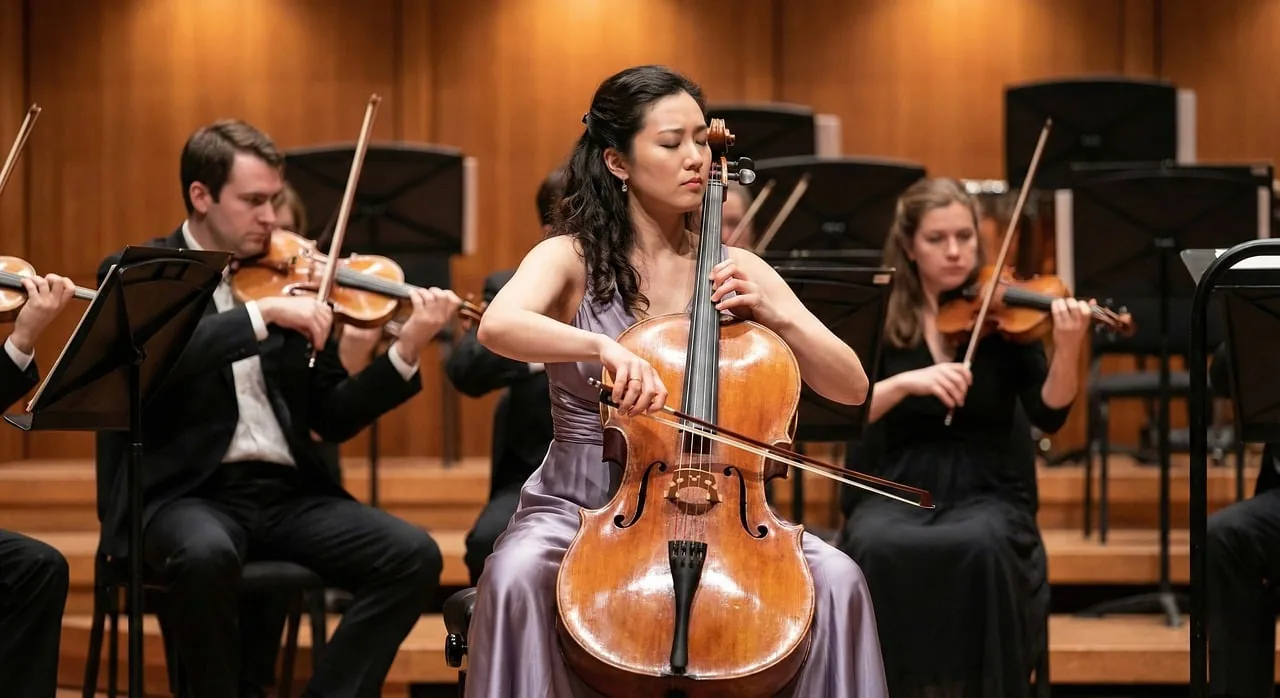
Johann Sebastian Bach’s music is a prime example of Baroque chamber music. His sonatas for violin and keyboard and his suites for solo cello are masterpieces of Baroque music. They display the technical virtuosity and emotional depth associated with the period.
“Bach’s music is a perfect combination of melodic beauty, harmony and structure, creating a distinctive musical experience,” said French musicologist Jean-Michel Vaccaro.
Handel is another major composer of Baroque chamber music. His sonatas for flute, violin and harpsichord are compelling examples of his expressive, inventive style. Handel was also known for his skillful use of counterpoint, which creates a complex and engaging musical texture.
Vivaldi, meanwhile, is famous for his concertos, particularly The Four Seasons. These works showcase the virtuosity of the solo violin and vividly illustrate the visual and narrative qualities of Baroque chamber music.
| Composer | Notable works |
|---|---|
| Johann Sebastian Bach | Sonatas for violin and keyboard, Suites for solo cello |
| George Frideric Handel | Sonatas for flute, violin and harpsichord |
| Antonio Vivaldi | The Four Seasons, Concertos for solo violin |
Conclusion
In conclusion, Baroque chamber music offers a rich, moving artistic experience that combines musical intimacy with dialogue among musicians. It is performed by small ensembles of solo instruments, ranging from duos to decets. It evokes varied cultural, historical and geographical traditions, blending traditional and art music.
Baroque chamber music uses the voice, the cello’s deep tones and the guitar, as well as other historical instruments. The chamber musicians who perform it each play an independent part and engage in dialogue with one another. Nikolaus Harnoncourt, the renowned conductor, emphasizes the importance of an ideal interpretation of text and music in Bach, where words and sound are closely connected.
Dialogue between the instruments and the voice creates a rich, expressive experience that can convey moral and educational meaning. Baroque chamber music offers a distinctive perspective on the diversity and importance of the period’s repertoire, with notable composers and works that continue to fascinate listeners today.
By exploring the essential characteristics of Baroque chamber music and highlighting the importance of musical dialogue and intimacy, this article has emphasized the intimate character and emotional potential of this musical form. Baroque chamber music remains a living testament to the richness and depth of classical music, offering a compelling experience for musicians and listeners alike.
FAQ
What is Baroque chamber music?
Baroque chamber music is a musical genre characterized by intimacy and musical dialogue. It is performed by small ensembles of solo instruments, ranging from duos to decets, and blends traditional and art music.
Which instruments are used in Baroque chamber music?
Baroque chamber music uses various instruments, including the voice, cello and guitar. It also often uses historical instruments characteristic of the Baroque period, such as the harpsichord, viola da gamba and lute.
Why is musical dialogue important in Baroque chamber music?
Dialogue between the instruments and the voice is essential to Baroque chamber music. It creates a rich, expressive experience that can convey moral and educational meaning through music.
Who are some notable composers of Baroque chamber music, and what are some notable works?
Composers such as Johann Sebastian Bach, Antonio Vivaldi and George Frideric Handel are considered leading figures in Baroque chamber music. Well-known works from the period include Bach’s sonatas for violin and harpsichord, Vivaldi’s violin concertos and Handel’s harpsichord suites.