
Learning a musical instrument is an enriching activity that people can enjoy at any age. Some instruments are particularly well suited to a wide range of people because they are versatile and accessible. Discover them in this guide!
The piano
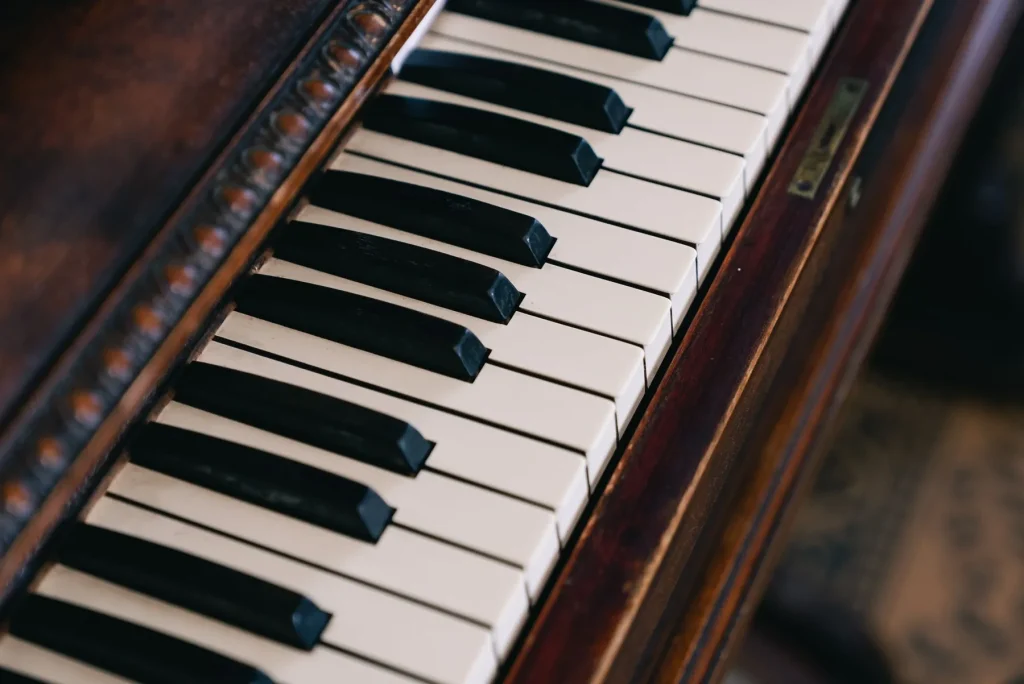
With its majestic, timeless character, the piano is often considered the defining instrument of classical music. Its ability to produce a variety of sounds and its versatility make it an excellent choice for aspiring music lovers of all ages. For young children, their first piano lessons introduce music theory and reading notes.
The layout of the keyboard makes learning scales and chords much easier. It helps lay a solid foundation for a comprehensive musical education. Young learners are encouraged to take piano lessons at home so they can begin learning on a flexible schedule.
Learning the piano gives teenagers and adults access to a vast repertoire, from Baroque music and the great Romantic composers to contemporary works. It also lets them express their creativity, whether they use it to accompany singing or to compose music.
The guitar
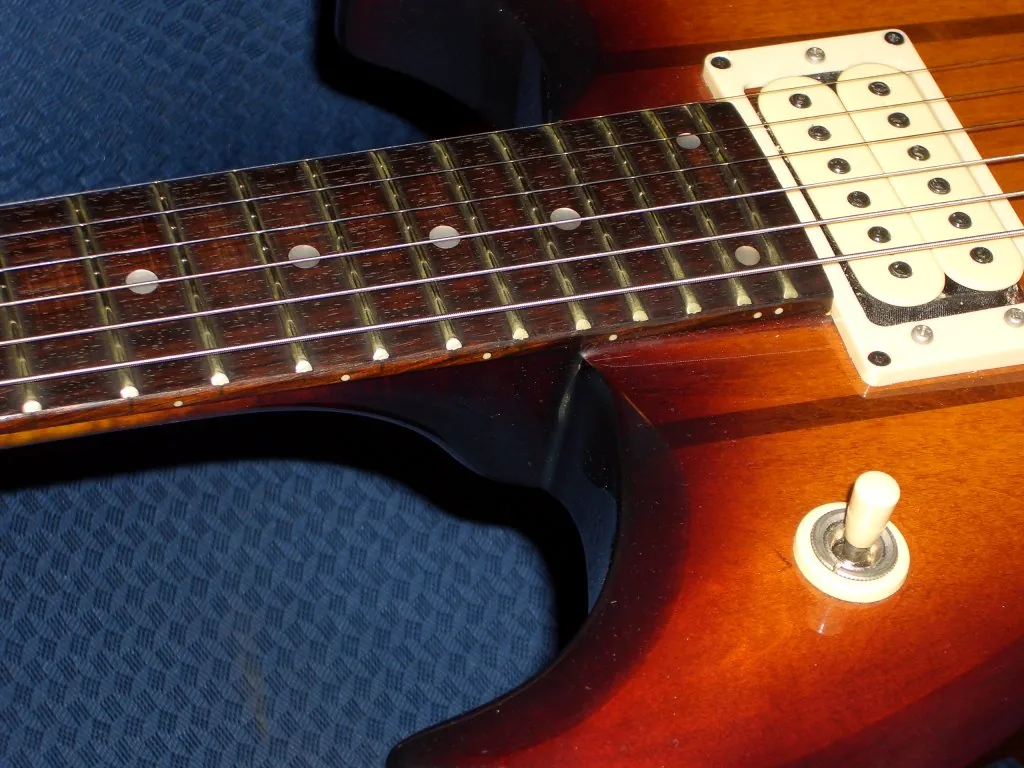
The guitar has won over music lovers from all walks of life with its playful, relaxed character. The many learning methods available make it highly accessible. Even beginners can quickly become familiar with the basics of music notation and tuning.
Once they have mastered the fundamentals, aspiring guitarists can explore a wide range of musical genres, including rock, blues, funk and country. The guitar also offers almost endless possibilities for adults and experienced musicians. They can tackle complex styles such as flamenco, Brazilian music and virtuosic fingerstyle playing.
This versatile instrument works just as well for solo playing as it does in a group. Guitar enthusiasts can create their own chamber ensemble or form a band with friends. Older adults can learn to play it too. It is a highly stimulating activity.
The violin
A symbol of musical elegance, the violin has fascinated listeners for centuries with the richness of its sound. Its standing comes from both its long tradition and its technical complexity. Although it is demanding, children can begin learning the violin at a young age with guidance from a qualified teacher.
By gradually working on bowing and playing in tune, children can develop a keen musical ear and valuable qualities such as patience and perseverance. Teenagers and adults can explore a vast classical repertoire, from Baroque music and great concertos to Romantic works.
Older adults can learn to play it for both intellectual and physical challenges. Playing the violin can help maintain their cognitive and motor skills by engaging coordination, memory and artistic expression.
In conclusion, the piano, guitar and violin are timeless instruments that can appeal to people of all ages. To enjoy a rewarding and lasting learning experience, choose an instrument that suits your interests and abilities.