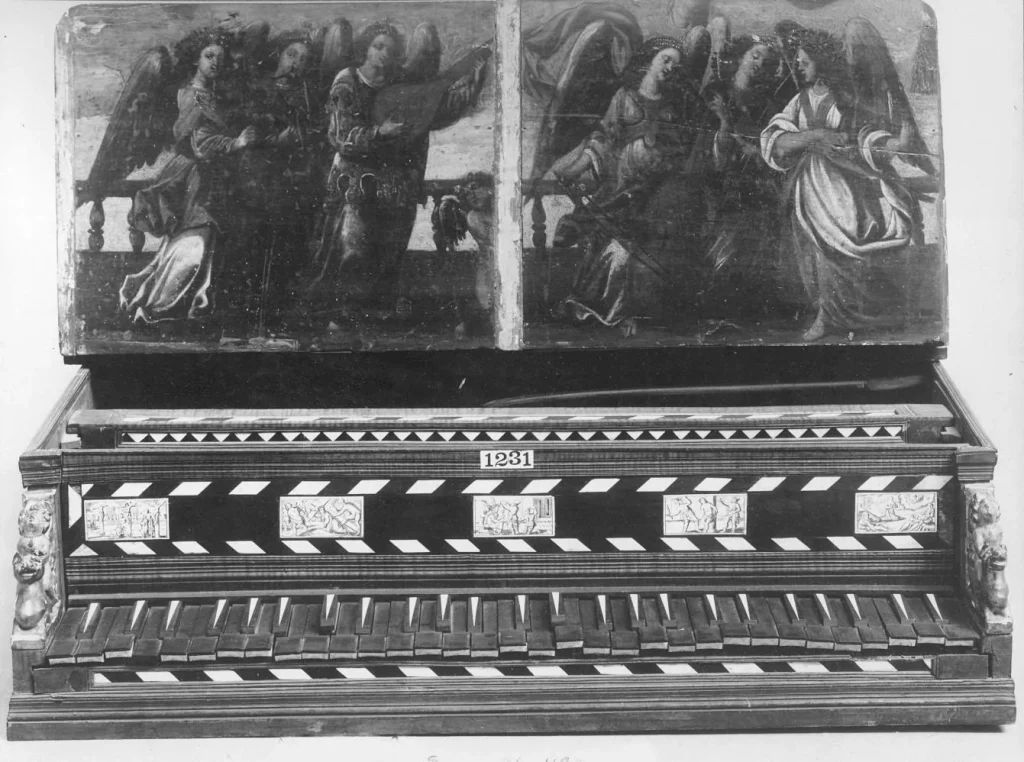
The Baroque period featured a wide variety of instruments, from the harpsichord to the Baroque violin. Discover the history and influence of these defining instruments of Baroque music. Explore their distinctive sounds and the musical world of their time.
Among the key instruments of the Baroque period were the viols and the lute, both of which played an essential role in its music. Viols are bowed string instruments that predated the violin, while the lute is a plucked string instrument of Arab origin that evolved over time.
Viols, also called violas da gamba, were especially popular during the Baroque period. They have rounded backs and are played with a bow. These instruments produce a gentle, melodic sound and were often used to accompany voices in Baroque music.
The lute is a plucked string instrument whose history stretches back to antiquity. It has a pear-shaped body and a wooden soundbox. Its strings are plucked with the fingers or a plectrum. This versatile instrument was used both for solo performances and for accompaniment.
| Viola da gamba | Lute |
|---|---|
| Bowed string instrument | Plucked string instrument |
| Played with a bow | Strings plucked with the fingers or a plectrum |
| Gentle, melodic sound | Rich, varied sound |
Viols and the lute brought great richness to Baroque music. Their distinctive sounds and versatility made them valuable members of the instrumental ensembles of the period. Today, these historical instruments continue to fascinate music lovers around the world through their beauty and their contribution to Baroque music.
“Music is a higher revelation than all wisdom and philosophy.” — Ludwig van Beethoven
The Baroque violin
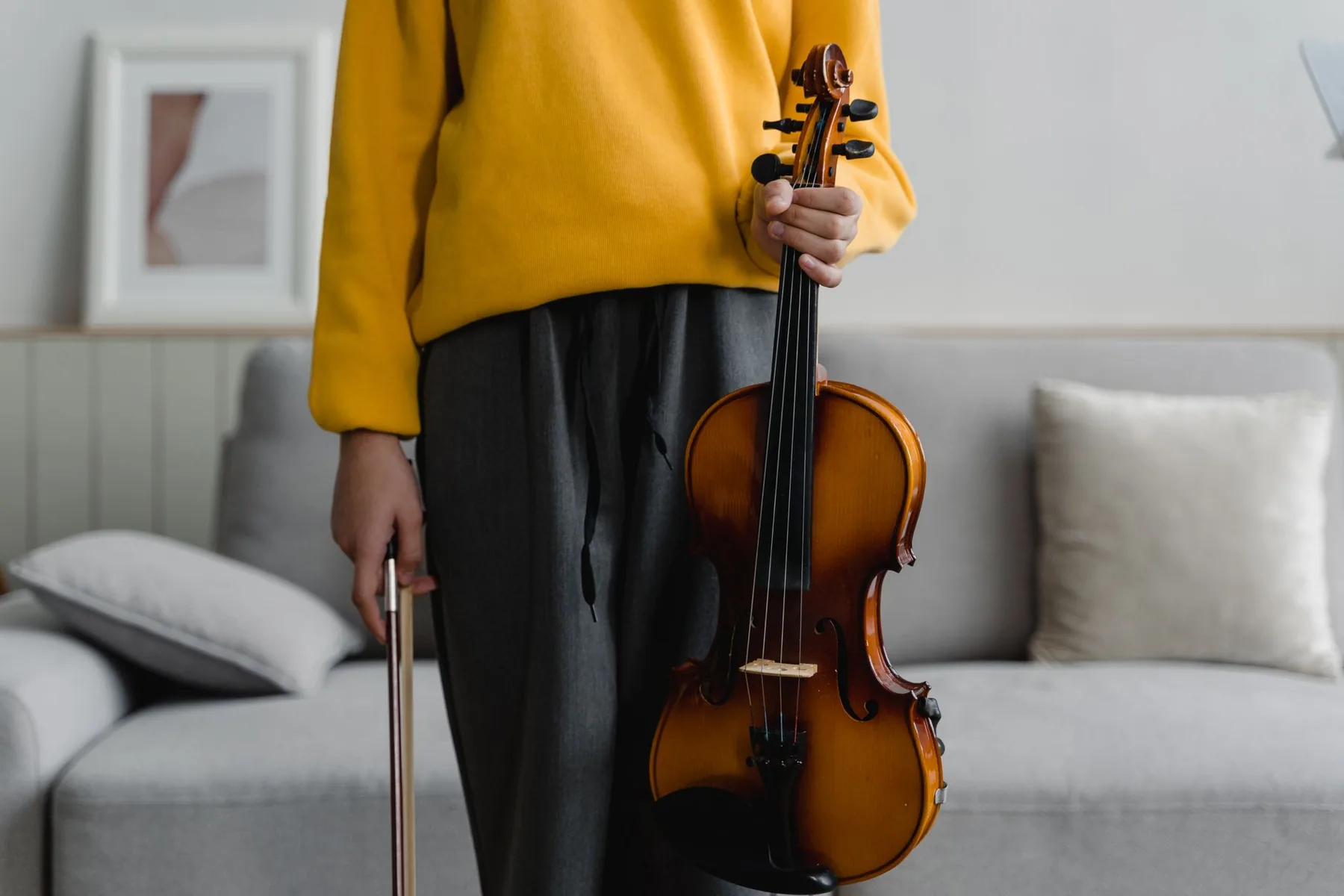
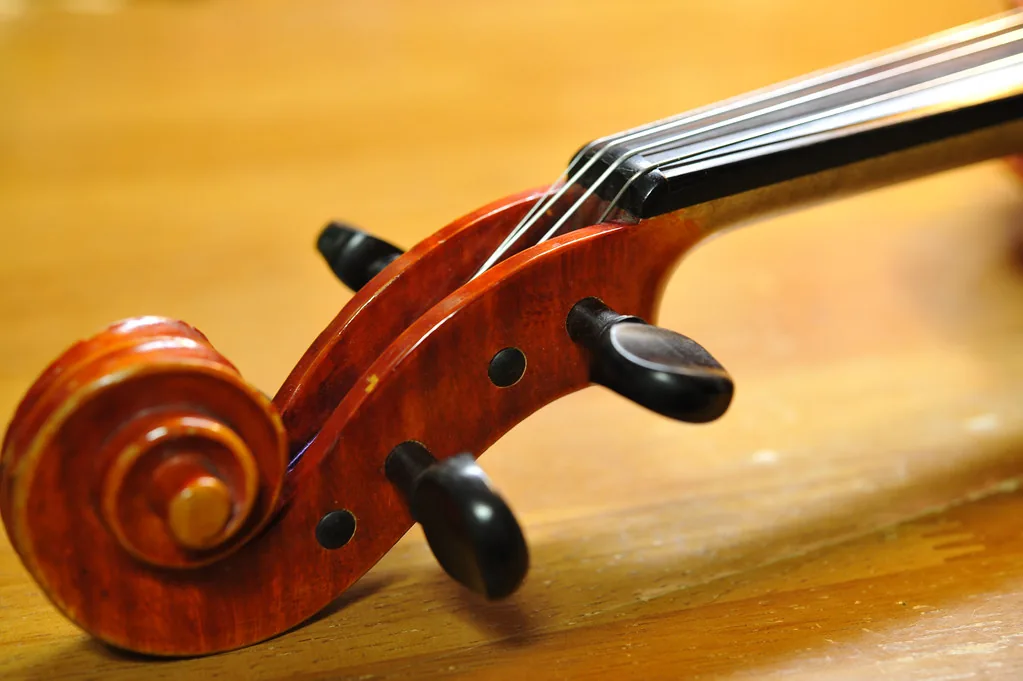
With its distinctive construction, the Baroque violin played a central role in Baroque music. It differs from the modern violin in its shape, thick neck and short fingerboard. Widely used in Baroque music, it remains prized for its distinctive sound.
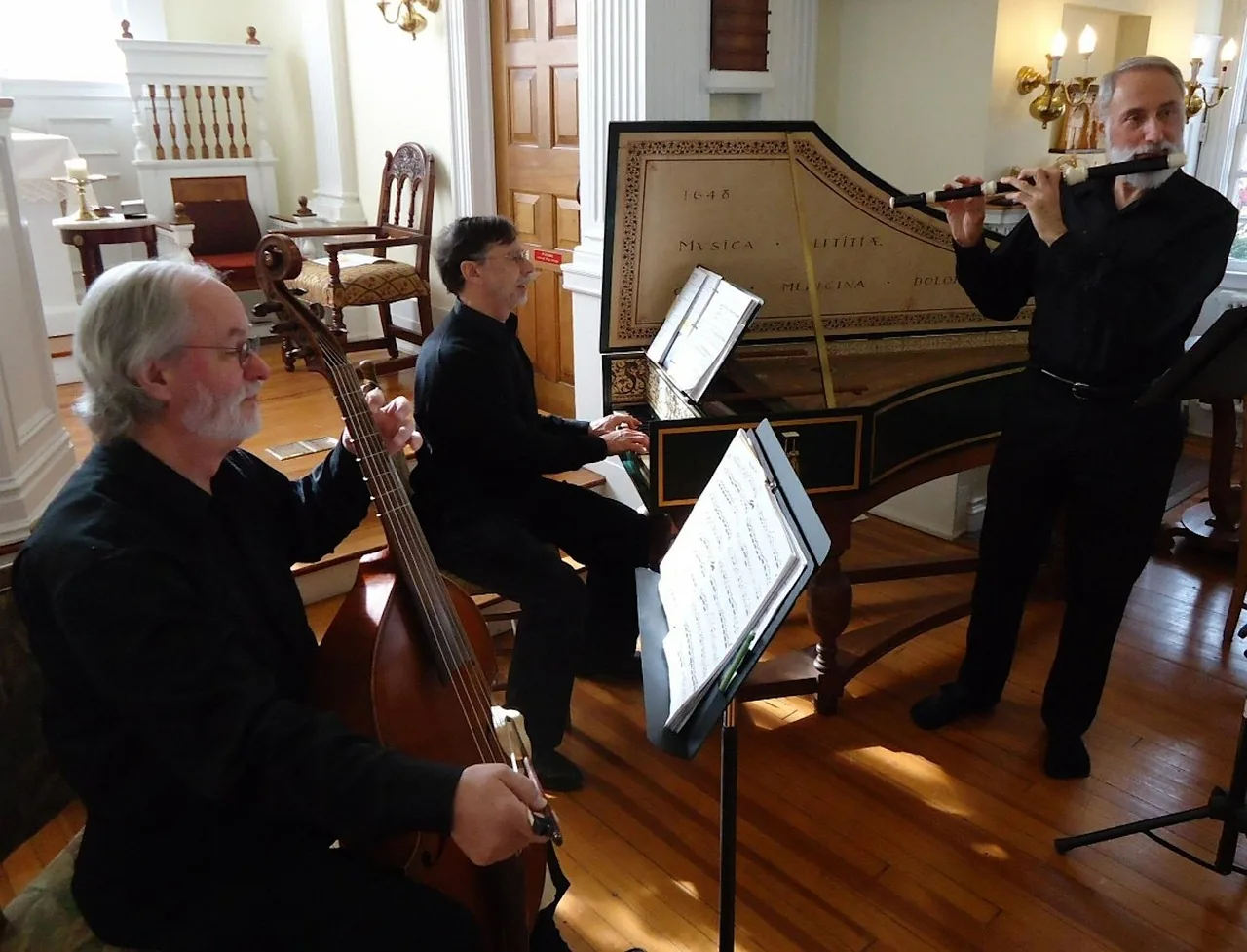
Instruments of the Baroque period also include the harpsichord, viols, lute, mandolin, angelique, cittern, guitar and many others. Viols, for example, are bowed string instruments that predated the violin. The lute is a plucked string instrument of Arab origin that evolved over time.
Besides their distinctive construction, Baroque instruments differ in their tuning. They are commonly tuned to the historical pitch standard of A = 415 Hz, giving them a different sound from modern instruments.
| Instruments | Description |
|---|---|
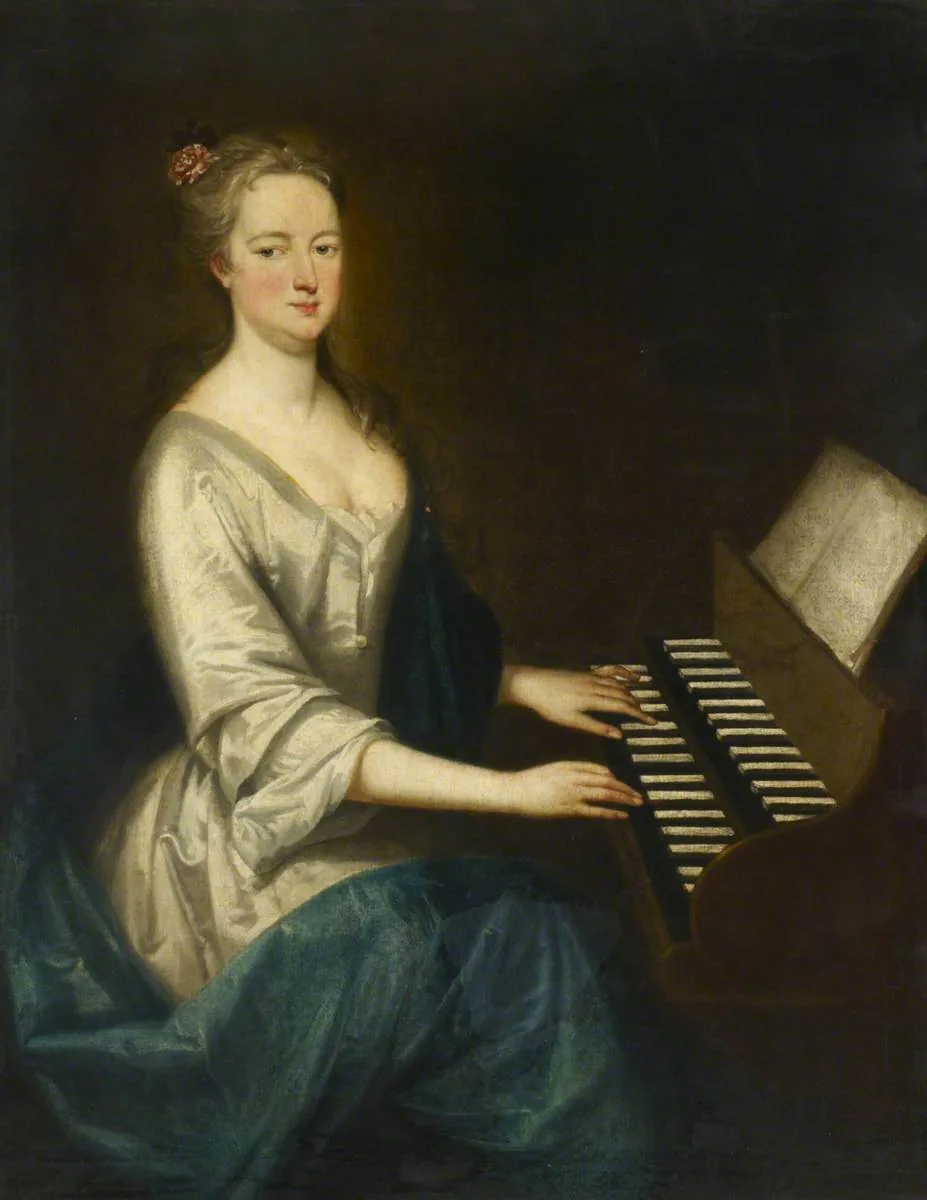
| Harpsichord | Keyboard instrument, similar in appearance to a piano, used mainly for accompaniment |
| Viols | Bowed string instruments that predated the violin |
| Lute | Plucked string instrument of Arab origin that evolved over time |
| Baroque violin | Instrument central to Baroque music, distinguished by its shape, thick neck and short fingerboard |
| Recorder | Wooden wind instrument used to play melodies |
| Baroque cello | Bowed string instrument larger than the violin, used for bass parts |
| Baroque trumpet | Brass instrument used to add brilliance and volume to ensembles |
Baroque instrumental ensembles often included flutes, oboes, Renaissance guitars, viols and percussion. These instruments helped create the rich, varied textures characteristic of Baroque music.
Other instruments of the Baroque period
In addition to the instruments already mentioned, the recorder, Baroque cello and Baroque trumpet played important roles in the music of the Baroque period. Each has its own sound and helped broaden the period’s musical palette.
The recorder, often used in Baroque orchestras, is a wooden wind instrument that produces a gentle, melodic sound. It is played by blowing into a mouthpiece and covering selected finger holes along its body. The recorder was particularly popular in Europe and was often used for accompaniment in Baroque ensembles.
The Baroque cello, also called the piccolo cello here, is described as a smaller and lighter version of the modern cello. Its warm, expressive sound was widely used in Baroque music. The Baroque cello is played with a bow and held between the cellist’s knees for stability.
The Baroque trumpet was a brass instrument used in the sixteenth and seventeenth centuries. Compared with the modern trumpet, the Baroque trumpet had a longer, narrower body, giving it a gentler, more melodic sound. It was often used in fanfares and Baroque ensembles to add brilliance and power to the music.
Comparison of instruments of the Baroque period
| Instrument | Characteristics |
|---|---|
| Harpsichord | Keyboard instrument whose plucked strings produce a distinctive sound |
| Viola da gamba | Bowed string instrument with a gentle, melancholy sound |
| Lute | Plucked string instrument of Arab origin used to accompany voices or melodic instruments |
| Guitar | Plucked string instrument popular in Spanish Baroque music |
| Baroque violin | Bowed string instrument with a powerful, expressive sound |
Baroque music draws on a wide range of instruments to create its distinctive, captivating sound. The recorder, Baroque cello and Baroque trumpet each contributed something different. From the recorder’s gentle melodies and the cello’s expressive warmth to the trumpet’s brilliance, each played an essential part in Baroque musical expression.
Tuning Baroque instruments
Instruments of the Baroque period were tuned differently from modern instruments, contributing to their characteristic sound. They are commonly played at the historical pitch standard of A = 415 Hz rather than the modern standard of A = 440 Hz. This difference gives Baroque instruments a gentler, warmer sound.
Tuning to A = 415 Hz also affects string tension and resonance. Baroque instruments generally use natural gut strings, which respond differently from the metal strings used on many modern instruments. Together, the tuning and materials give Baroque instruments their distinctive, appealing sound.
To maintain this tuning, Baroque musicians often use particular techniques to adjust their instruments. For example, a Baroque violinist may adjust string tension using a special key attached to the end of the fingerboard. This technique allows finer, more precise adjustments in keeping with the musical demands of the period.
| Instrument | Tuning pitch |
|---|---|
| Harpsichord | 415 Hz |
| Viola da gamba | 415 Hz |
| Baroque violin | 415 Hz |
| Renaissance guitar | 415 Hz |
| Recorder | 415 Hz |
In conclusion, tuning contributes greatly to the characteristic sound of Baroque instruments. Playing at A = 415 Hz, together with particular materials and performance techniques, helps musicians recreate the atmosphere of the Baroque period and convey its emotion and beauty.
Baroque instruments also call for a different approach to technique and interpretation. Musicians often use ornaments and articulations such as trills, mordents and pizzicato to add nuance to a performance. The way they hold and play these instruments also differs from modern practice. For example, the Baroque violin is often played with a shorter bow and a more upright posture, affecting the sound’s projection and expressiveness.
Baroque music offers a wealth of sounds and emotions through its varied instruments. From the harpsichord’s gentle, melodic tone and the expressive depth of the viols to the brilliance of the Baroque violin, every instrument contributes to a distinctive ensemble sound. Musicians and listeners can still enjoy these instruments and discover the beauty and variety of Baroque music today.
Instrumental ensembles of the Baroque period brought together a wide range of instruments, including flutes, oboes, Renaissance guitars and percussion. They created rich, varied textures and performed the compositions of their time.
Baroque flutes were often made from woods such as boxwood or ebony and had simple keys. Their gentle, melodic sound blended well with the other instruments of a Baroque ensemble.
Oboes, meanwhile, were made from grenadilla wood and had a conical bore. Their powerful, expressive sound made them popular instruments in Baroque music.
Renaissance guitars were used to accompany singing or to perform solo. They generally had six to ten gut strings and a gentle, warm sound.
Percussion instruments such as drums, timpani and castanets added a rhythmic dimension to Baroque compositions, bringing energy and momentum to the music performed by the ensemble.
| Instruments | Sound | Materials |
|---|---|---|
| Baroque flutes | Gentle and melodic | Wood (boxwood, ebony) |
| Oboes | Powerful and expressive | Grenadilla wood |
| Renaissance guitars | Gentle and warm | Wood |
| Percussion | Rhythmic and energetic | Various materials (drums, timpani, castanets) |
Conclusion
In conclusion, instruments of the Baroque period played an essential part in the development of Baroque music and continue to influence music today. The harpsichord, viols, lute, mandolin, angelique, cittern, guitar and Baroque violin all contributed to its characteristic richness of sound.
Viols, predecessors of the violin, were bowed string instruments that brought particular depth and expressiveness to Baroque music. The lute, a plucked string instrument of Arab origin, evolved over time to become a mainstay of Baroque music.
The Baroque violin, with its distinctive shape, thick neck and short fingerboard, also left its mark on the music of the period. Its distinctive sound and playing techniques set it apart from the modern violin.
Baroque instruments are commonly played at the historical pitch standard of A = 415 Hz, producing a different sound from modern instruments tuned to A = 440 Hz. Such differences in tuning contribute to the atmosphere and emotion associated with Baroque music.
Baroque instrumental ensembles often included flutes, oboes, Renaissance guitars, viols and percussion. Together, these instruments created rich, varied textures that added depth to the music.
In short, instruments of the Baroque period shaped music and continue to influence it today. They brought distinctive sounds, playing techniques and an extraordinary range of textures to Baroque music. From the harpsichord and viols to the lute and Baroque violin, they created music full of emotion and nuance that still captivates listeners.
FAQ
What are the instruments of the Baroque period?
Instruments of the Baroque period include the harpsichord, viols, lute, mandolin, angelique, cittern, guitar and Baroque violin.
What are viols and the lute?
Viols are bowed string instruments that predated the violin, while the lute is a plucked string instrument of Arab origin that evolved over time.
How does the Baroque violin differ from the modern violin?
The Baroque violin differs from the modern violin in its shape, thick neck and short fingerboard.
What other instruments were used during the Baroque period?
Alongside the harpsichord, violin and viols, the recorder, Baroque cello and Baroque trumpet were also used in Baroque music.
How were Baroque instruments tuned?
Baroque instruments are commonly played at the historical pitch standard of A = 415 Hz, giving them a different sound from modern instruments.
Which instruments made up a Baroque ensemble?
Baroque instrumental ensembles often included flutes, oboes, Renaissance guitars, viols and percussion.
What effect did these instruments have on Baroque music?
These instruments helped create music rich in emotion and nuance that continues to fascinate listeners today.