
Antonio Vivaldi, the renowned Italian Baroque composer, left a splendid musical legacy deeply rooted in the city of Venice. Born in 1678, Vivaldi is widely recognized as one of the most important Baroque composers of his time. His music has captivated listeners around the world and continues to be appreciated for its timeless beauty.
Classical music found in Vivaldi an undisputed master of artistic expression. He composed numerous violin concertos, including the celebrated Four Seasons concertos, an iconic work that illustrates his musical genius. Vivaldi also created remarkable sacred works, such as Gloria RV 589 and Stabat Mater RV 621, which attest to his deep spirituality and talent as a composer.
As a Venetian composer, Vivaldi’s influence on Baroque classical music is undeniable. His rich, expressive compositions shaped Venice’s musical landscape and inspired many other musicians of the era. His Venetian legacy is reflected in music that captures the essence of the city and its artistic splendor.
Beyond his influence on Venetian music, Vivaldi also left a lasting mark on the international music scene. A virtuoso violinist, he influenced other composers, such as Johann Sebastian Bach, who transcribed several of his violin concertos for other instruments. This influence crossed borders and demonstrates the worldwide importance of Vivaldi’s musical legacy.
In short, Antonio Vivaldi left a splendid Venetian legacy in classical music. His music continues to be admired for its timeless beauty and authentic artistic expression. A renowned Italian composer, Vivaldi left an indelible mark on Venice and the world of Baroque music.
The life and work of Antonio Vivaldi
Born in Venice in 1678, Antonio Vivaldi made his mark on music history with his bold creations and exceptional instrumental virtuosity. An Italian Baroque composer, he is best known for his many violin concertos, as well as his sacred works and operas.
One of his most famous works is the Four Seasons concertos, a set of four violin concertos representing the seasons of the year. Each movement brilliantly conveys the character and emotions of its season. The work makes full use of the Baroque orchestra and showcases the soloist’s technical and expressive abilities.
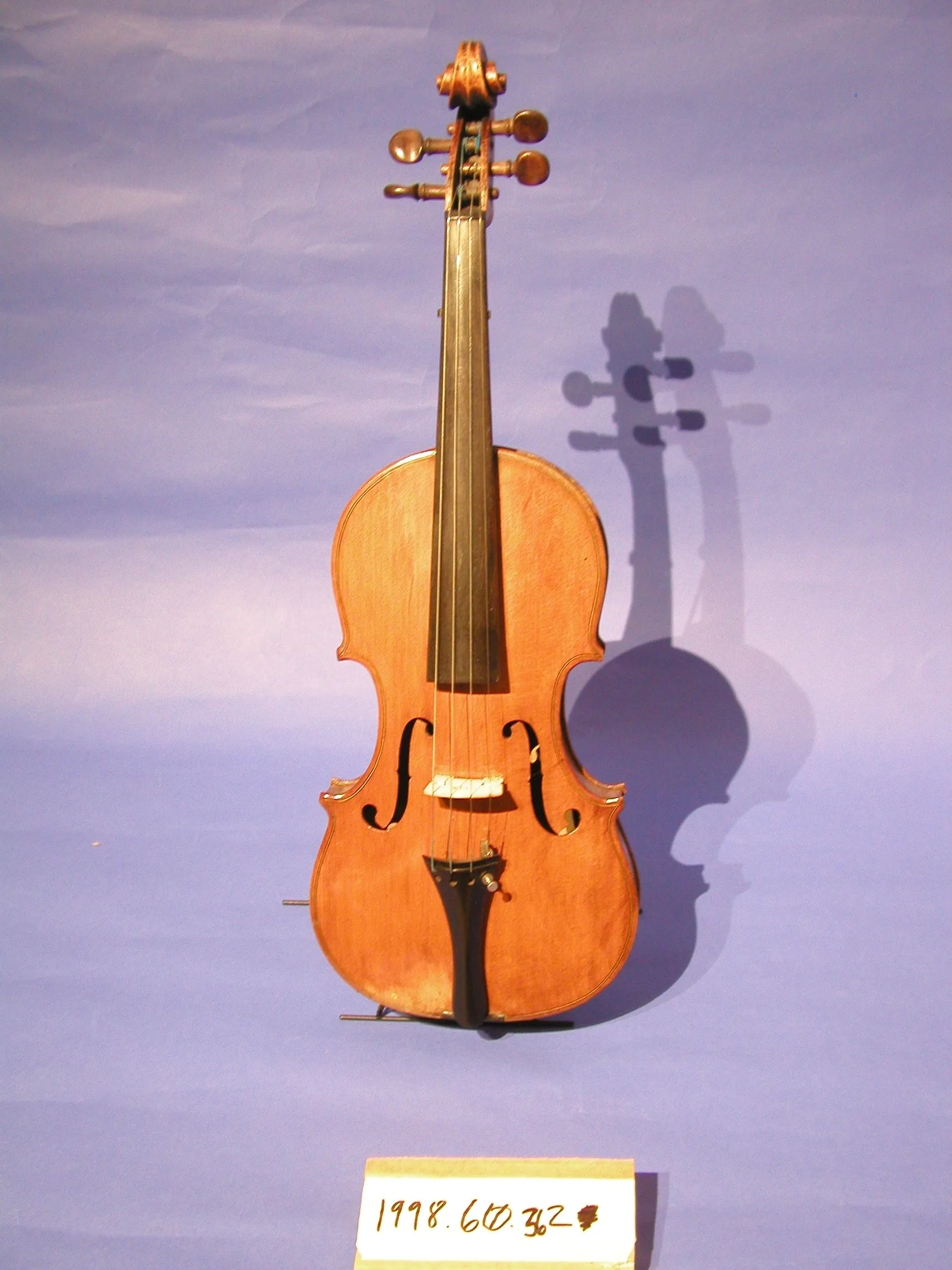
A virtuoso violinist, Vivaldi also influenced other renowned composers, such as Johann Sebastian Bach. Bach transcribed several of Vivaldi’s violin concertos for other instruments, helping his music spread beyond Venice.
In short, Antonio Vivaldi, through his Venetian legacy and innovative compositions, left an indelible mark on classical music. His instrumental virtuosity and talent as a composer make him one of the most influential figures of the Venetian Baroque.
| Composers | Vivaldi’s influence |
|---|---|
| Johann Sebastian Bach | Transcribed Vivaldi’s violin concertos |
| Georg Philipp Telemann | Admiration for Vivaldi’s style and innovations |
| George Frideric Handel | Influence on the writing of concertos and operas |
Vivaldi’s influence on Venetian Baroque music
Antonio Vivaldi played a major role in the development of the Venetian Baroque style through his innovative compositions and use of the Baroque orchestra. His captivating music shaped Venice’s musical landscape and had a considerable influence on other composers and on Baroque orchestration of the period.
The Venetian Baroque is distinguished by its grandeur and extravagance. Vivaldi’s compositions, including his violin concertos, explored new sounds and transformed the use of the Baroque orchestra. He incorporated virtuosic techniques and distinctive tonal effects, creating masterpieces rich in emotion and expression.
Vivaldi’s influence was also felt by other composers of the era, such as Johann Sebastian Bach. Bach drew deeply on Vivaldi’s style and transcribed several of his violin concertos for other instruments, adapting Venetian music to a German context.
To better understand Vivaldi’s influence on Venetian Baroque music, it is essential to appreciate the complexity and virtuosity of his work. His innovative use of instruments and compositional genius marked a turning point in music history, establishing Venice’s reputation as a leading cultural and musical center.
Quotes
“Vivaldi brought freshness and vitality to Venetian Baroque music. His compositions were extraordinarily beautiful and opened new paths for musical expression.” — Étienne Dupont, musicologist.
Table
| Works | Year of composition |
|---|---|
| Violin Concerto in A minor, Op. 3, No. 6 “La Stravaganza” | 1712 |
| Concerto for Two Violins in B minor, RV 580 “L’estro armonico” | 1711 |
| Gloria in D major, RV 589 | 1715 |
| The Four Seasons (Spring, Summer, Autumn, Winter) | 1723 |
Antonio Vivaldi left a lasting legacy in Venetian Baroque music. His creativity and daring inspired generations of composers, and his music continues to resonate in concert halls around the world. An iconic Italian composer, Vivaldi helped shape Venice’s musical heritage, in a city that remains steeped in artistic splendor.
Alongside his instrumental compositions, Vivaldi wrote captivating operas that thrilled Venetian audiences at prominent venues such as the Venice Opera House and La Fenice. Long neglected, his operas are now recognized for their innovation and musical beauty.
The Venice Opera House, also known as Teatro di San Benedetto, was a major and much-loved performance venue in Vivaldi’s time. Several of his operas premiered there, drawing enthusiastic and curious audiences. Vivaldi captivated listeners with his lyrical and dramatic compositions, as well as characters and plots that stirred intense emotions.
Vivaldi made an important contribution to Venetian opera by introducing new techniques and exploring new musical styles. His works reveal his talent for creating memorable melodies, complex harmonies and daring cadences, which strongly influenced Venice’s musical scene at the time.
The La Fenice theater, whose name means “The Phoenix” in Italian, is another landmark of Venetian opera where Vivaldi’s works were performed. Rebuilt several times over the years, the theater has hosted world premieres of renowned operas, including some by Vivaldi himself. La Fenice remains an important venue for opera in Venice and carries on the city’s musical legacy.
Table: Vivaldi’s operas
| Opera | Year of premiere |
|---|---|
| Ottone in villa | 1713 |
| Orlando furioso | 1714 |
| Tito Manlio | 1719 |
| Griselda | 1735 |
| La fida ninfa | 1732 |
In short, Vivaldi made significant contributions to Venetian opera and left an indelible mark on Venice’s musical scene. His operas were acclaimed and continue to be enjoyed today, attesting to his importance as an influential Italian composer.
Vivaldi and his influence on other composers
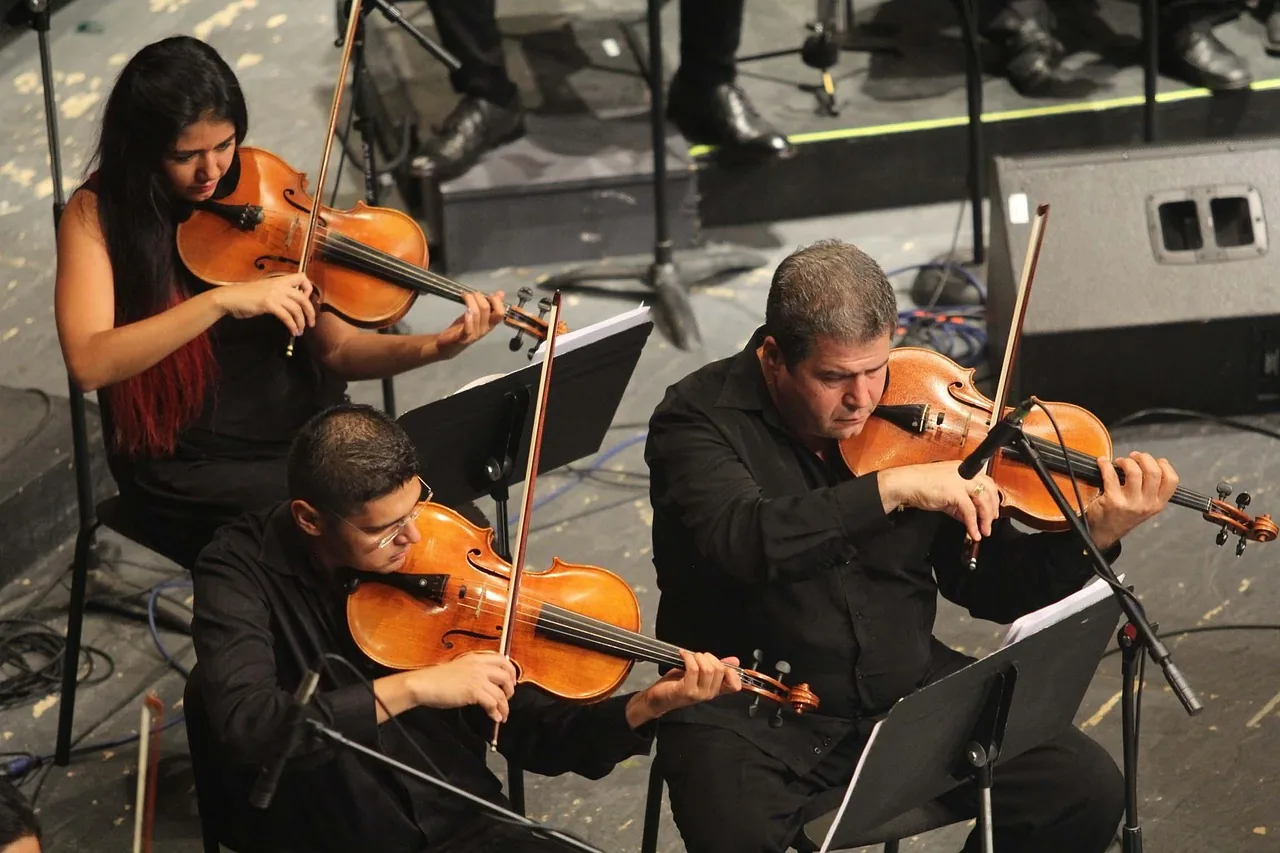
Vivaldi’s virtuosity and originality inspired many composers of his time, including Johann Sebastian Bach, who adapted some of his violin concertos for other instruments. Vivaldi was known for his exceptional command of the violin and his ability to create virtuosic, expressive melodies. His distinctive style, characterized by lively rhythms, bold harmonies and polyphonic textures, left an indelible mark on Baroque music.
In his adaptations, Bach often transformed Vivaldi’s violin concertos into keyboard works, including the celebrated transcriptions of the Violin Concertos in A minor RV 356 and E major RV 269. These adaptations allowed Vivaldi’s compositions to be enjoyed in different musical settings and helped his music grow in popularity across Europe.
“Vivaldi was recognized as a musical genius during his lifetime, and his music continues to inspire composers today. His innovative use of recurring motifs, expressive contrasts and virtuosic effects opened up new possibilities for musical composition.”
Vivaldi’s music is still performed and enjoyed around the world today. His influence on other composers cannot be overstated: he redefined the conventions of Baroque music and paved the way for new forms of musical expression. Exploring Vivaldi’s work helps us understand the importance of his contribution to the development of classical music and his pioneering role in the evolution of musical language.
| Title | Type | Date of composition |
|---|---|---|
| Concerto in D major for violin and orchestra | Concerto | 1711 |
| Gloria RV 589 | Sacred music | 1715 |
| The Four Seasons | Concerto | 1723 |
| Stabat Mater RV 621 | Sacred music | 1712 |
| La Stravaganza | Concerto | 1714 |
Vivaldi’s enduring legacy in Venice
Vivaldi’s legacy endures in Venice: his music continues to be enjoyed there, and his role in the city’s musical culture is recognized. An iconic Italian composer, Vivaldi left an indelible mark on Venice’s musical scene, and his legacy continues to influence modern Venice.
His compositions, including the celebrated Four Seasons concertos, continue to be performed and enjoyed around the world. Through his music, Vivaldi captured the very essence of Venice, reflecting the beauty and elegance of this unique city. His command of composition and instrumental virtuosity have also inspired many contemporary musicians.
Vivaldi’s importance to Venetian musical culture is also evident in the preservation of his legacy. For example, Teatro La Fenice, one of Venice’s most prestigious opera houses, continues to program his works and carry on his legacy. A passion for classical music and respect for Venetian artists are passed down from generation to generation.
Ultimately, Vivaldi’s legacy extends beyond music. It reflects Venice’s cultural and artistic influence. His music gives new beauty to the city’s canals and palaces, creating a timeless link between past and present. In Vivaldi, Venice, with its rich history and artistic heritage, found a performer and composer who celebrates the Venetian spirit.
| Composers influenced by Vivaldi | Vivaldi’s works |
|---|---|
| Johann Sebastian Bach | Violin concertos |
| Arcangelo Corelli | Sonatas for violin and basso continuo |
| Georg Philipp Telemann | Orchestral suites |
Conclusion
Antonio Vivaldi and his Venetian legacy remain an invaluable source of inspiration for classical music lovers around the world. Born in Venice in 1678, Vivaldi was one of the most important Baroque composers of his time. His music, steeped in the Venetian spirit, still captivates listeners with its wealth of inspiration and enduring inventiveness.
His signature work, the celebrated Four Seasons concertos, brilliantly demonstrates his talent as a composer and violin virtuoso. But Vivaldi’s work extends beyond concertos. He also composed sacred works, such as Gloria RV 589 and Stabat Mater RV 621, which reveal his command of sacred music.
Alongside his contribution to classical music, Vivaldi left an indelible mark on Venice’s musical scene. His operas, some of which have been rediscovered recently, brought fresh energy to Venetian opera of the time. Prestigious venues such as the Venice Opera House and the La Fenice theater witnessed his talent.
Vivaldi’s legacy can also be felt in the work of other composers, notably Johann Sebastian Bach, who was deeply influenced by his style and virtuosity. Bach even transcribed several of Vivaldi’s violin concertos for other instruments, illustrating Vivaldi’s lasting influence on classical music.
FAQ
What are Antonio Vivaldi’s most famous works?
Antonio Vivaldi’s most famous works include the Four Seasons concertos, Gloria RV 589, Stabat Mater RV 621 and various violin concertos.
How did Antonio Vivaldi influence other composers?
Antonio Vivaldi influenced other composers, such as Johann Sebastian Bach, who transcribed several of his violin concertos for other instruments.
What were Antonio Vivaldi’s contributions to Venetian opera?
Antonio Vivaldi made significant contributions to Venetian opera, notably at the Venice Opera House and the La Fenice theater.
What is Antonio Vivaldi’s enduring legacy in Venice?
Antonio Vivaldi’s enduring legacy in Venice lies in his music’s influence on modern Venice and the international recognition of his talent.