
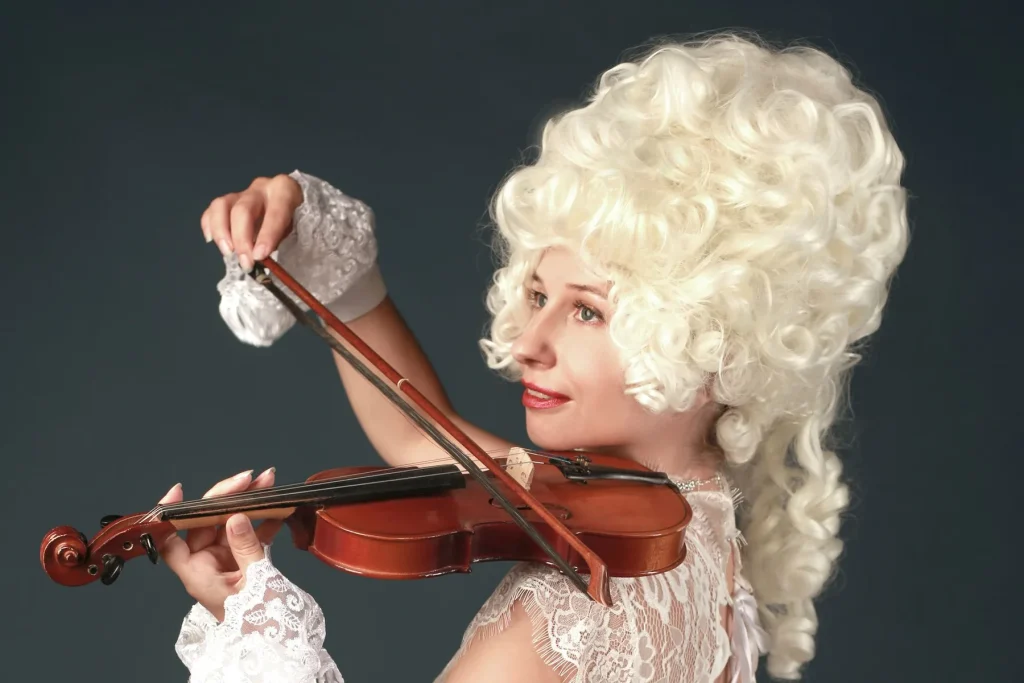
Patronage and royal courts played an essential role in the development and flourishing of Baroque music. During this period, patronage provided composers with stable financial support, allowing them to create new musical works. Royal courts were important centers for Baroque music, where musicians were employed in the service of kings and nobles.
These musicians, who had privileged access to musical innovations, were often better informed about the latest trends than church musicians. By traveling with their patrons and mixing with the great virtuosos of their time, they contributed to the evolution of Baroque music.
The musical institutions of the Baroque era included churches, royal courts, and opera houses. In churches, organists and choir directors composed and performed music for religious services. Royal courts employed musicians to entertain kings and the nobility. Opera houses, meanwhile, were run by private entrepreneurs or attached to royal courts.
Baroque music was characterized by its exuberant style and extensive use of melodic ornamentation. It sought to captivate listeners and stir strong emotions. Vocal music, both secular and sacred, accounted for a large part of Baroque music, and many composers distinguished themselves in this field. At the same time, instrumental music also developed substantially and attracted growing attention.
In short, patronage and royal courts played a key role in the development and spread of Baroque music. Their financial support and enthusiasm for this music enabled composers to create exceptional works, contributing to the richness and reputation of Baroque music.
The importance of patronage in Baroque music
Patronage gave Baroque composers stable financial support, encouraging their creativity and ability to innovate. With the backing of patrons, composers could devote themselves fully to creating new musical works without worrying about financial constraints.
Patrons played an essential role in the development of Baroque music by funding performances and supporting composers in their work. They often commissioned composers to write pieces for special occasions. In return, composers created works of great beauty and complexity that were performed at royal courts and in aristocratic salons.
Patrons were often nobles or members of royal families who used music to assert their social status and power. By supporting composers and encouraging musical creation, they helped Baroque music flourish throughout Europe. Patrons also encouraged the exchange of ideas and artistic influences between royal courts, enriching the styles and sounds of Baroque music.
Patrons and Baroque music
| Patron | Contribution to Baroque music |
|---|---|
| Cardinal Ottoboni | An influential patron in Rome, he supported many composers, including Corelli and Handel. |
| Prince Esterházy | He employed Haydn as a resident composer, enabling him to create world-renowned symphonies and chamber music. |
| Elector of Saxony | A patron of Johann Sebastian Bach, he supported the composer in creating numerous choral and instrumental works. |
In conclusion, patronage was crucial to the development and flourishing of Baroque music. Patrons supported composers financially, allowing them to devote themselves to their art and create beautiful musical works. Their influence helped Baroque music evolve and spread throughout Europe.

Royal courts played a crucial role in the development of Baroque music by employing musicians and encouraging music making at court. During this period, they were both centers of political power and patrons of music. Kings and nobles employed talented musicians to entertain their courts, creating constant demand for new compositions and performances.
Musicians attached to royal courts benefited from an environment conducive to experimentation and innovation. They were in direct contact with the great virtuosos of their time and could keep up with the latest musical trends. Their close relationships with rulers and patrons helped shape the musical landscape of the Baroque era by introducing new techniques and encouraging the creation of new works.
Royal courts also played a central role in promoting Baroque music by organizing concerts and musical performances. They were often at the forefront of innovation in musical production, using lavish sets, elaborate costumes, and special effects to captivate audiences. These grand spectacles displayed the court’s power and wealth while also helping to popularize Baroque music with a wider audience.
To summarize, royal courts exerted a major influence on Baroque music as patrons, providing financial support and creating constant demand for new compositions. They also encouraged innovation and experimentation by allowing musicians to interact with the great virtuosos of the time. The grand performances organized by royal courts helped popularize Baroque music across the continent.
The influence of royal courts on Baroque music
Royal courts offered Baroque composers a stimulating environment in which to create and perform. Their patronage allowed composers to explore new styles and techniques, contributing to the evolution of Baroque music. Royal courts also helped spread Baroque music beyond their walls by organizing concerts and inviting renowned musicians to perform for wider audiences.
| Role of royal courts in Baroque music | Impact |
|---|---|
| Employing talented musicians | Encouraging musical creation and innovation |
| Organizing concerts and grand performances | Promoting Baroque music and broadening its audience |
| Providing patronage and financial support to composers | Enabling the creation of new musical works |
The influence of royal courts on Baroque music was therefore far-reaching. They provided musicians with financial support and employment opportunities while encouraging artistic innovation and the spread of Baroque music across Europe. Without the patronage and support of royal courts, Baroque music would not have become the major artistic movement it is today.
Musical institutions of the Baroque era
The musical institutions of the Baroque era included churches, royal courts, and opera houses, all of which played important roles in promoting and developing Baroque music. Churches were central venues for Baroque music: organists and choir directors composed and performed music there for religious services. Composers of sacred music, such as Johann Sebastian Bach and Antonio Vivaldi, created masterpieces in this setting, including oratorios and masses that remain emblematic works of Baroque music.
Royal courts were also important patrons of Baroque music. Kings and nobles employed talented musicians to entertain their courts, creating constant demand for new compositions. Court musicians were often better informed about the latest musical trends than church musicians because they traveled with their patrons and were in contact with the great virtuosos of their time.
Finally, opera was another pillar of Baroque music. Run by private entrepreneurs or attached to royal courts, opera was a grand spectacle combining music, theater, and dance. Opera composers such as Claudio Monteverdi and George Frideric Handel created works of great beauty and complexity that showcased singers’ voices and the orchestra’s inventiveness.

Churches occupied a central place in the musical life of the Baroque era. They gave composers many opportunities to create sacred music, particularly cantatas, oratorios, and masses. Religious services offered opportunities to showcase musicians’ talents and stir strong emotions among worshippers.
Baroque music was often characterized by an exuberant style and extensive use of melodic ornaments. Churches provided an ideal setting for these features, with acoustics that allowed voices and instruments to resonate. Organists and choir directors could also compose music tailored to singers’ vocal abilities and different liturgical occasions.
In conclusion, churches, royal courts, and opera houses all played crucial roles in promoting and developing Baroque music. These musical institutions provided composers and musicians of the Baroque era with financial support, performance venues, and audiences. Thanks to their influence and commitment to music, Baroque music flourished and became an invaluable cultural legacy.
| Baroque composers | Emblematic musical works |
|---|---|
| Johann Sebastian Bach | St Matthew Passion, Mass in B minor |
| Antonio Vivaldi | The Four Seasons, the mandolin concertos |
| Claudio Monteverdi | L’Orfeo, The Coronation of Poppea |
| George Frideric Handel | Messiah, Giulio Cesare |
Characteristics of Baroque music
Baroque music is characterized by its exuberant style, extensive use of melodic ornaments, and the great importance it places on vocal music and instrumental music. Baroque composers were known for their fondness for ornamentation: they added trills, mordents, and appoggiaturas to embellish melodies. These melodic ornaments were a distinctive feature of Baroque music, adding virtuosity and emotional expression to compositions.
Vocal music was also an essential aspect of Baroque music. Composers of the Baroque era wrote a wide variety of vocal works, including operas, cantatas, oratorios, and motets. These works were often dramatic and expressive, telling biblical or mythological stories through characters experiencing intense emotions. The human voice was regarded as the ideal instrument for expressing emotion in Baroque music.
| Baroque vocal music | Baroque instrumental music |
|---|---|
| Operas | Instrumental suites |
| Cantatas | Concertos |
| Motets | Sonatas |
“Baroque music is an art that seeks to touch the soul and move the listener.” — Jean-Philippe Rameau
Alongside vocal music, instrumental music held a prominent place in Baroque music. Composers of the Baroque era wrote a wide variety of instrumental music, including instrumental suites, concertos, and sonatas. Popular instruments of the period included the harpsichord, violin, transverse flute, and cello. Instrumental music was often characterized by complex and virtuosic melodic lines that allowed performers to demonstrate their talent and skill.
Baroque music was a vibrant art form with an exuberant aesthetic intended to captivate and move listeners. Its legacy endures today: musicians around the world continue to appreciate and perform many of its masterpieces.
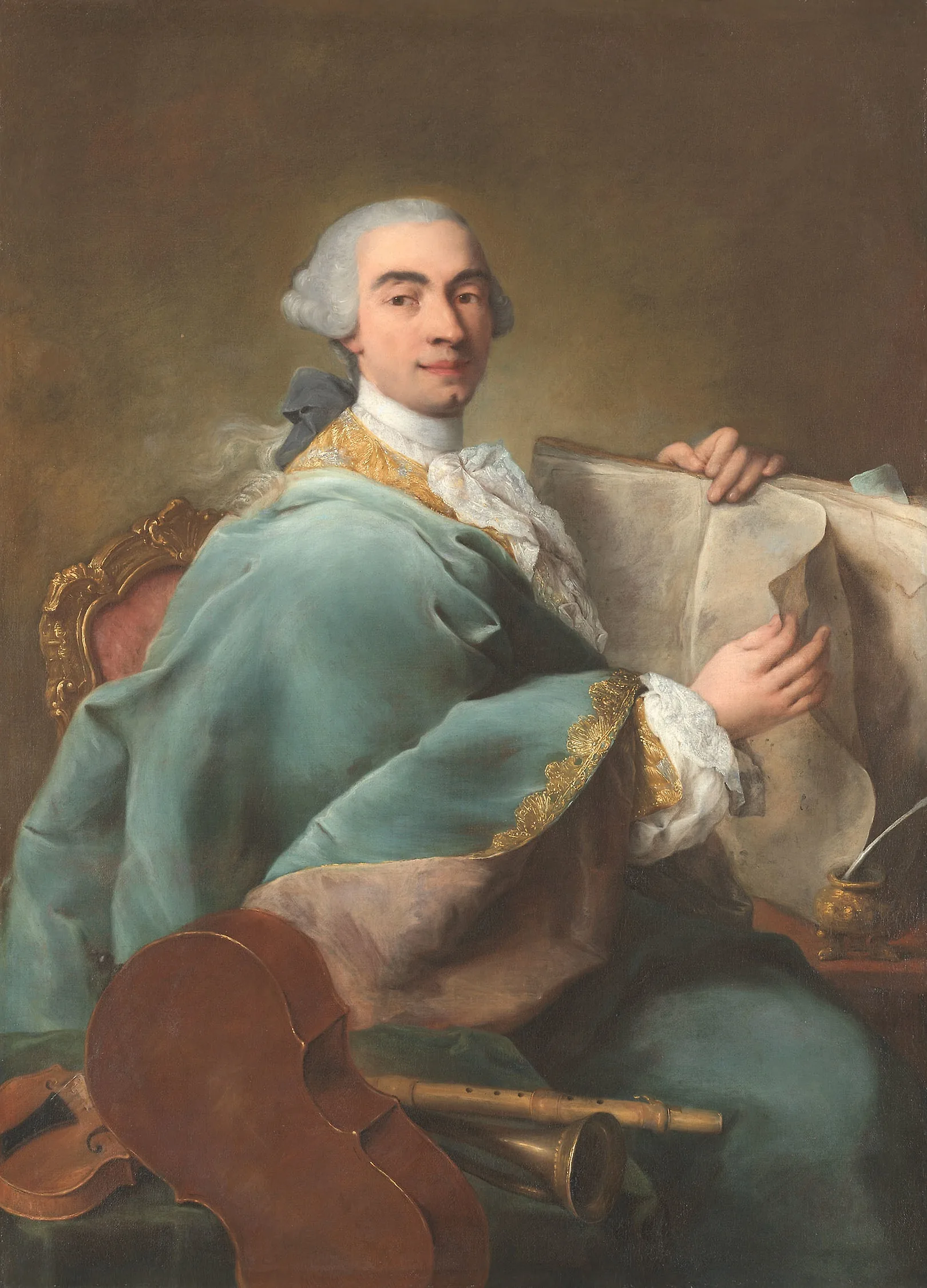
Baroque music is a treasure of musical history whose distinctive characteristics have left an indelible mark on the musical landscape. Its exuberant style, melodic ornaments, and emphasis on vocal and instrumental music have made it a musical style of great beauty and expressiveness.
Conclusion: patronage and royal courts in Baroque music
In conclusion, patronage and royal courts played a major role in the development and spread of Baroque music. Patronage gave composers stable financial support, while royal courts encouraged musical creation. During this period, patronage provided composers with the resources needed to produce new works, while royal courts employed many talented musicians.
Royal courts were important centers for Baroque music, offering composers and musicians opportunities to work for kings and the nobility. Musicians employed by royal courts were often talented virtuosos with access to musical resources and innovative influences. This enabled a constant exchange of musical ideas and styles, contributing to the evolution of Baroque music.
The musical institutions of the Baroque era, including churches and opera houses, also played an essential role in promoting and spreading Baroque music. Churches were places where religious music was composed and performed, while opera houses were run by private entrepreneurs or attached to royal courts. These institutions provided venues for musical expression and encouraged innovation and the evolution of the Baroque style.
In sum, Baroque music is characterized by its exuberant style, use of melodic ornaments, and desire to captivate and move listeners. Patronage and royal courts supported and promoted it extensively, providing the resources it needed to develop and spread. Patronage and royal courts thus played a key role in the musical landscape of the Baroque era and contributed significantly to the evolution of music.
FAQ
What impact did patronage have on Baroque music?
Patronage played an essential role in the development and flourishing of Baroque music by giving composers stable financial support to create new musical works.
How did royal courts influence Baroque music?
Royal courts played an important role in Baroque music by employing musicians to serve kings and nobles. These musicians were often better informed about musical innovations than church musicians because they were in contact with the great virtuosos of the time.
What were the main musical institutions of the Baroque era?
The main musical institutions of the Baroque era were churches, royal courts, and opera houses. Churches used music to accompany religious services, royal courts employed musicians to entertain kings and the nobility, and opera houses were run by private entrepreneurs or attached to royal courts.
What were the characteristics of Baroque music?
Baroque music was characterized by its exuberant style, use of melodic ornamentation, and desire to captivate and move listeners. Both secular and sacred vocal music, as well as instrumental music, were important parts of Baroque music.