
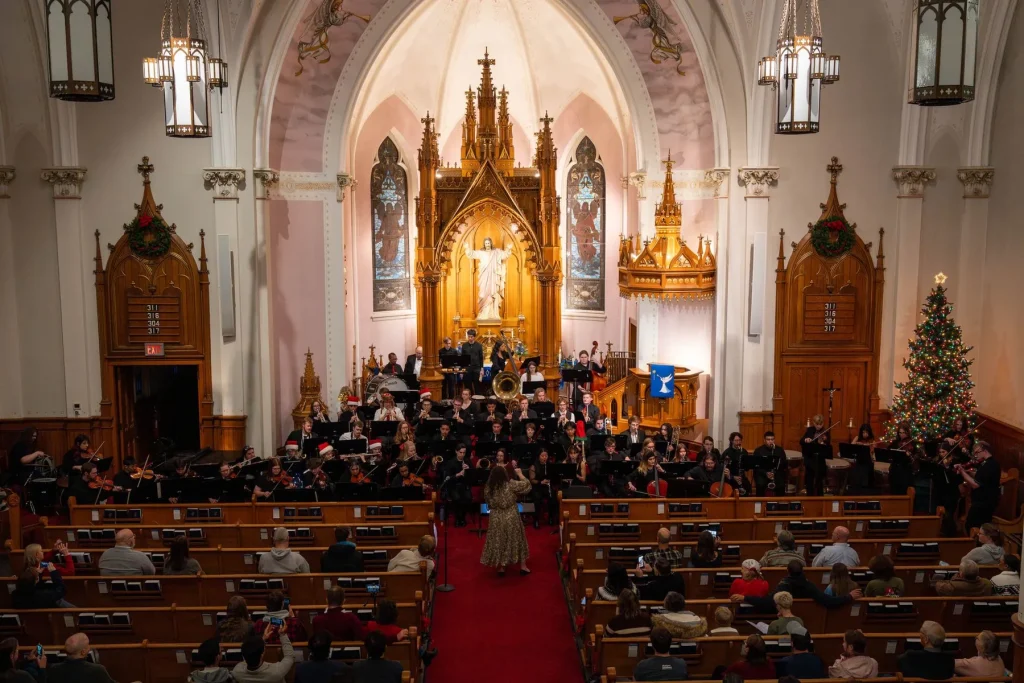
Analyzing the musical form of Baroque suites and concertos offers a way to explore Baroque music and understand its development and influence. Baroque music, spanning 1600 to 1750, is characterized by complex harmony, pronounced modulations and dissonances, demanding singing that can sound unnatural, and constrained movement. Baroque musicians were regarded as musical artisans, creating works for their patrons.
Baroque music: an era shaped by musical craftsmanship
Baroque music, spanning 1600 to 1750, is characterized by complex harmony, demanding singing that can sound unnatural, and constrained movement. This musical era was marked by changes in style and a constant search for new sounds and forms of artistic expression.
Baroque musicians were regarded as musical artisans, working on commission for patrons and royal courts. They mastered the art of composing complex, technically demanding works that showcased performers’ skill and virtuosity.
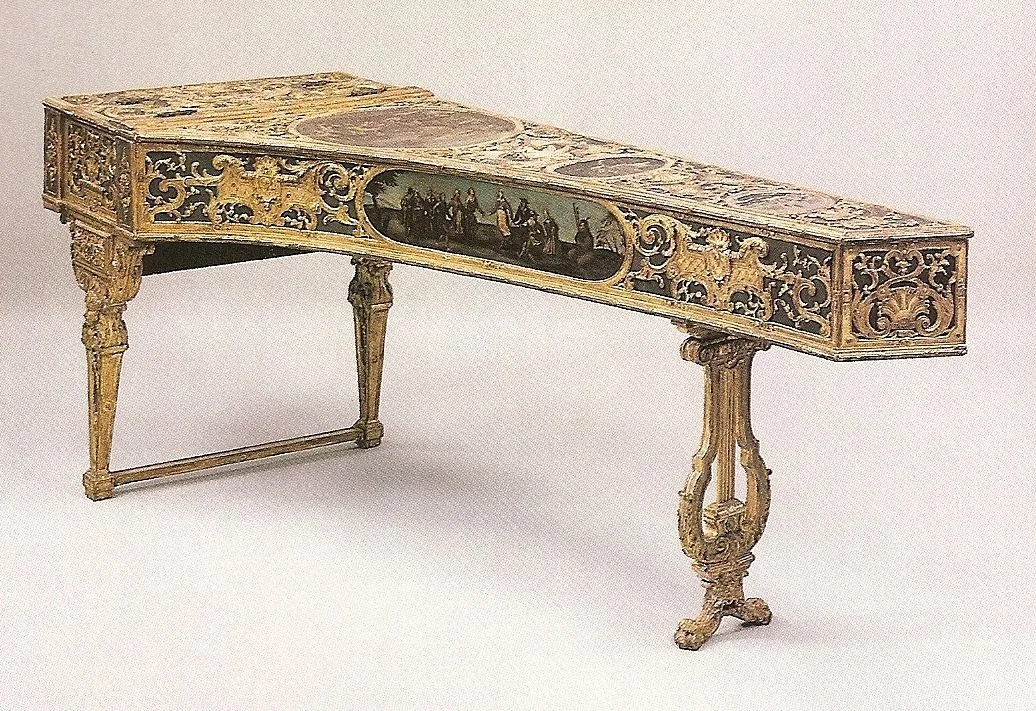
The invention of tempered tuning, the use of major and minor modes, and the creation of new instruments such as the harpsichord and violin contributed to the development of Baroque harmony and sound. Baroque musicians also laid the foundations of classical harmony, influencing later generations of composers.
Complex harmony and demanding singing
Baroque music is characterized by complex harmony, with pronounced modulations and dissonances. Melodies are often ornamented, making the singing demanding and sometimes unnatural. Baroque musicians were trained to master these techniques and express a wide range of emotions through their performances.
Baroque musicians developed specific techniques to overcome the challenges of singing, creating elaborate vocal passages and ornaments. These demanding passages required great vocal agility and thorough technical mastery.
Constrained movement and artistic expression
Constrained movement is a fundamental characteristic of Baroque music. Rhythms are often regular and precise, and musical structures are rigorous. This does not mean, however, that Baroque music lacks artistic expression. On the contrary, Baroque musicians sought to convey intense, profound emotions through their performances, using subtle nuances and variations.
Baroque music offers a broad range of emotions, from joy and lightness to sadness and solemnity. Baroque musicians used specific performance techniques, such as the arrangement of notes, dynamic contrasts, and basso continuo, to express these emotions and create rich, evocative music.
| Baroque composers | Country |
|---|---|
| François Couperin | France |
| Johann Sebastian Bach | Germany |
| Henry Purcell | England |
Baroque suites: an ordered sequence of dances
Baroque suites were ordered collections of pieces, composed mainly of dances, that were popular in France, England, and Germany. These suites generally contained distinct musical movements, each representing a particular dance, such as the courante, sarabande, gavotte, or gigue.
Baroque composers used recurring musical motifs across the dances of a suite, creating a coherent, recognizable structure. These motifs, often accompanied by a basso continuo, helped connect the musical movements and gave the suite a narrative dimension.
Baroque music theory also played an important role in the composition of suites. Composers were influenced by principles of tempered tuning, which allowed the use of all major and minor keys, as well as by the harmonic rules established at the time. They nevertheless had the freedom to depart from those rules to create moments of individual expression and experimentation.
Here is a famous example of a Baroque suite: Vivaldi’s The Four Seasons. This collection, comprising four concertos, portrays each season through a succession of musical movements. Recurring themes and changes of key within each movement create an emotional progression that evokes the character of each season.
| Movement | Dance |
|---|---|
| 1 | Allemande |
| 2 | Courante |
| 3 | Sarabande |
| 4 | Gavotte |
| 5 | Gigue |
Baroque concertos: a dialogue between soloist and orchestra
Baroque concertos were compositions in which a soloist engaged in dialogue with an orchestra. They were characterized by the use of basso continuo and the addition of new instruments. These concertos allowed Baroque composers to explore the dynamic relationship between soloist and orchestra, creating a compelling musical dialogue.
Basso continuo played an essential role in Baroque concertos by continuously accompanying the upper part. It provided a harmonic and rhythmic foundation for the soloist, adding depth and complexity to the composition. Instruments used for basso continuo included the harpsichord, organ, and cello.
An example of a Baroque concerto: Antonio Vivaldi’s “The Four Seasons”
Antonio Vivaldi’s “The Four Seasons” is one of the most famous Baroque concertos of all time. Composed in the early eighteenth century, this work features a solo violinist representing the different seasons of the year, while the orchestra accompanies the soloist and responds to their musical motifs. The skillful use of basso continuo, combined with the soloist’s virtuosity, creates a vibrant, expressive musical dialogue that carries the listener through the changing seasons.
Baroque concertos were also marked by the addition of new instruments, such as the oboe, trumpet, and bassoon. These instruments brought new sounds to Baroque music, enriching the orchestra and allowing composers to explore new expressive possibilities.
In conclusion, Baroque concertos were fascinating compositions that showcased the soloist’s talent and the orchestra’s beauty. Through the use of basso continuo and the addition of new instruments, these concertos opened up new possibilities in Baroque music, contributing to its development and richness.
| Name | Composer | Year of composition |
|---|---|---|
| The Four Seasons | Antonio Vivaldi | 1723 |
| Violin Concerto in F Major, RV 293 | Antonio Vivaldi | 1715 |
| Concerto for Four Violins in B Minor, Op. 3, No. 10 | Antonio Vivaldi | 1711 |
In conclusion, analyzing the musical form of Baroque suites and concertos helps us better appreciate the richness of Baroque music and its influence on later classical music. Baroque music, spanning 1600 to 1750, stands out for its complex harmony, pronounced modulations and dissonances, demanding singing that can sound unnatural, and constrained movement. Musicians of the era were regarded as musical artisans who created commissioned works for their patrons.
The Baroque period also saw significant musical innovations, including the invention of tempered tuning, the use of major and minor modes, the creation of new instruments, and the establishment of the foundations of classical harmony. Baroque suites, made up of several ordered movements, often dances, were particularly popular in France, England, and Germany. Composers such as François Couperin, Johann Sebastian Bach, and Henry Purcell contributed significantly to the development of this musical genre.
Meanwhile, Baroque concertos brought the dialogue between a soloist and an orchestra to the fore, creating a distinctive dynamic. Basso continuo, which continuously accompanied the upper part, was an important innovation of the period. These concertos allowed soloists to shine while interacting with the instrumental ensemble. Together, these elements contributed to the stature of Baroque music and its influence on later classical music.
FAQ
What is Baroque music?
Baroque music belongs to a musical period spanning 1600 to 1750 and is characterized by complex harmony, pronounced modulations and dissonances, demanding singing that can sound unnatural, and constrained movement.
How were Baroque musicians regarded?
Baroque musicians were regarded as musical artisans who created works for their patrons.
What was invented during the Baroque period?
The Baroque period saw the invention of tempered tuning, the use of major and minor modes, the creation of new instruments, and the establishment of the foundations of classical harmony.
What were the characteristics of Baroque suites?
Baroque suites were ordered collections of pieces, generally made up of dances.
Which instruments were used in Baroque concertos?
Baroque concertos featured a soloist in dialogue with an orchestra, often accompanied by a basso continuo beneath the upper part.