
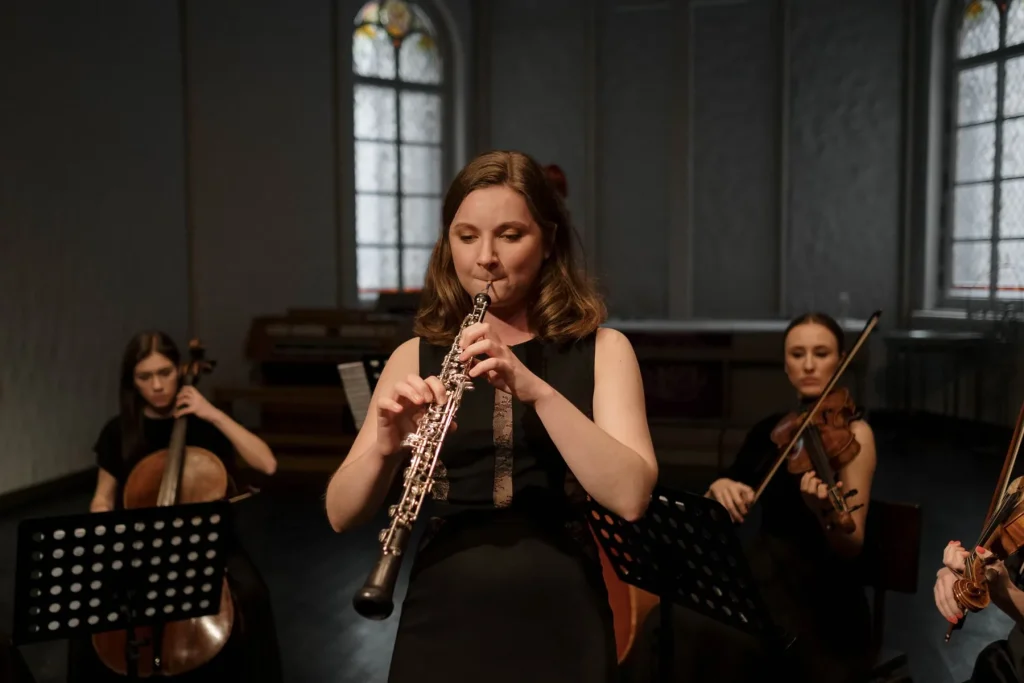
Baroque opera is a magnificent and dramatic art form that brings music and stage spectacle together. Associated with splendour and drama, it transports audiences into a world of intense emotion and aesthetic grandeur. With its grand sets, sumptuous costumes and remarkable vocal performances, Baroque opera offers a unique theatrical experience.
Baroque opera, also known as Baroque music, is a musical genre that emerged in seventeenth-century Europe. It is distinguished by its rich, complex musical textures and its ornamented, expressive melodies. Baroque composers such as Jean-Baptiste Lully, Claudio Monteverdi and Jean-Philippe Rameau helped shape this distinctive genre.
Staging is essential to Baroque opera. Theatrical productions feature extravagant sets, elaborate costumes and spectacular stage effects. The singers, who are actors in their own right, captivate audiences with their passionate performances and technical mastery.
This operatic art form offers a captivating visual and auditory experience. Enchanting melodies, expressive recitatives and virtuosic arias transport audiences into a world of passion, drama and intense emotion. The visual beauty of the production and the power of Baroque music combine to create an unforgettable theatrical experience.
Today, Baroque opera continues to fascinate and inspire contemporary directors. New interpretations highlight the richness of this artistic heritage by incorporating modern elements while preserving the essence of Baroque opera. This meeting of tradition and innovation opens up new creative possibilities and captivates diverse audiences.
In conclusion, Baroque opera is an art form of both splendour and drama, bringing music and stage spectacle together. Its visual beauty and emotional power make it a musical and theatrical genre of great expressive force, captivating audiences past and present.
Baroque opera: a legacy of classical opera
Baroque opera is a rich legacy of classical opera, in which harmony between music and staging plays a central role. In this art form, music and theatre are closely linked, creating an immersive experience for audiences.
Classical opera, characterised by its symphonic compositions and lyrical singing, laid the foundations for Baroque opera. The composers of the period explored new musical techniques and used varied harmonies to reflect the characters’ emotions and heighten the drama of the story.
Baroque opera staging is also influenced by classical opera. Sumptuous sets, opulent costumes and captivating theatrical performances contribute to its visual beauty. Directors seek to recreate the atmosphere and aesthetic of the period, sometimes incorporating contemporary elements in a more creative approach.

Music and staging complement each other harmoniously in Baroque opera, offering audiences a captivating experience. Melodious lyrical singing blends with the graceful movements of the singers on stage, transporting spectators into a world of passion and emotion. This constant pursuit of harmony among the elements of Baroque opera makes it a valuable legacy of classical opera.
| Characteristics of Baroque opera |
|---|
| Symphonic compositions |
| Lyrical singing |
| Sumptuous sets |
| Opulent costumes |
| Captivating theatrical performances |
In conclusion, Baroque opera is a valuable legacy of classical opera, in which harmony between music and staging is essential. This art form combines visual beauty with moving musical compositions and offers an unforgettable theatrical experience. Whether presented as a faithful reconstruction or a contemporary interpretation, Baroque opera continues to fascinate today’s audiences with its splendour and onstage drama.
Staging and performance in Baroque opera
Staging and performance are essential to Baroque opera: elaborate costumes, sumptuous sets and talented singers help create an immersive theatrical experience. In Baroque productions, every visual element is carefully orchestrated to captivate audiences and transport them into a world of splendour and drama.
Costumes play a crucial role in creating a Baroque atmosphere on stage. Richly ornamented and detailed, they help portray the historical or fantastical characters in the story. Luxurious fabrics, delicate embroidery and elegant accessories enhance the production’s visual beauty.
Sumptuous sets are another key element of Baroque opera. Majestic palaces, lush gardens and grand temples are recreated on stage to immerse audiences in a world of fiction and imagination. Elaborate sets are often accompanied by sophisticated machinery that enables spectacular scene changes.
Finally, talented singers are at the heart of Baroque opera. Their vocal virtuosity and ability to express the characters’ emotions are essential to conveying the drama and intensity of Baroque music. Their powerful, expressive voices bring the score to life and evoke a wide range of emotions in audiences.
Summary table of the key elements of Baroque opera staging:
| Element | Description |
|---|---|
| Costumes | Elaborate and richly detailed, reflecting the characters and the period. |
| Sets | Sumptuous, recreating fascinating places and allowing scene changes. |
| Singers | Talented and highly skilled vocally, able to convey the characters’ emotions. |
Staging and performance in Baroque opera reflect a pursuit of splendour and drama on stage. Elaborate costumes, sumptuous sets and talented singers immerse audiences in a visually captivating world rich in emotion.
The composers of the Baroque period made a major contribution to opera through captivating and moving works. Their artistic talent and mastery of composition enabled them to create operas that fascinated audiences of their day and continue to be enjoyed today.
Composers such as Claudio Monteverdi, Jean-Baptiste Lully, Henry Purcell and George Frideric Handel left their mark on the history of Baroque opera. Monteverdi, regarded as one of opera’s pioneers, created works such as “Orfeo” and “L’incoronazione di Poppea”, which introduced new forms of musical expression.
Lully, a French composer and Louis XIV’s superintendent of music, played a key role in the development of French opera. He composed grand works such as “Armide” and “Atys”, which established the foundations of the French style in Baroque opera.
Purcell is known for his English opera “Dido and Aeneas”, a tragic and lyrical work that remains one of his most celebrated compositions. Handel, a German-born composer who became a British citizen, created many operas, including the Italian opera “Giulio Cesare” and the English opera “Rinaldo”, both of which enjoyed great success.
| Composer | Major works |
|---|---|
| Claudio Monteverdi | Orfeo, L’incoronazione di Poppea |
| Jean-Baptiste Lully | Armide, Atys |
| Henry Purcell | Dido and Aeneas |
| George Frideric Handel | Giulio Cesare, Rinaldo |
Baroque composers captivated audiences with their enchanting melodies and expressive compositions. Their works contributed to the development of Baroque opera and left a lasting legacy in classical music.
The visual fascination and experience of Baroque music
The visual beauty of the production and the experience of Baroque music are two essential elements that captivate contemporary audiences. With its sumptuous sets, extravagant costumes and grand staging, Baroque opera offers a visually breathtaking spectacle. Baroque operas were often conceived as complete theatrical events, with sophisticated machinery and spectacular special effects designed to amaze spectators. Meticulously detailed sets and costumes created an enchanting visual world that transported audiences to another time and place.
Baroque music also plays a major role in the experience of Baroque opera. Musical compositions from this period are characterised by their complexity and richness of sound. Dramatic harmonies and lyrical melodies create an intense atmosphere and carry listeners through a whirlwind of emotions. Singers, often virtuosos, were at the centre of the action: their powerful, expressive voices brought the characters to life and moved the plot forward through music. The harmonious union of music and theatre makes Baroque opera unique.
“Opera is the most beautiful of artistic expressions, because it brings all the arts together in a single work.” — Jean-Baptiste Lully
Staging and performance in Baroque opera
Baroque operas can be staged in different ways, from archaeological reconstruction to creative reinvention or modernised adaptation. Financial constraints and the need to present a theatrically coherent production often limit the possibilities for faithful reconstruction. Nevertheless, contemporary directors find ingenious ways to recreate the visual opulence and emotion of Baroque opera while incorporating modern, innovative elements.
In conclusion, the visual beauty of the production and the experience of Baroque music are the two pillars of Baroque opera that captivate contemporary audiences. This distinctive art form combines music’s emotional power with sumptuous theatrical production to create an unforgettable spectacle. Whether presented as an accurate historical reconstruction or a contemporary interpretation, Baroque opera continues to fascinate and inspire today’s audiences.
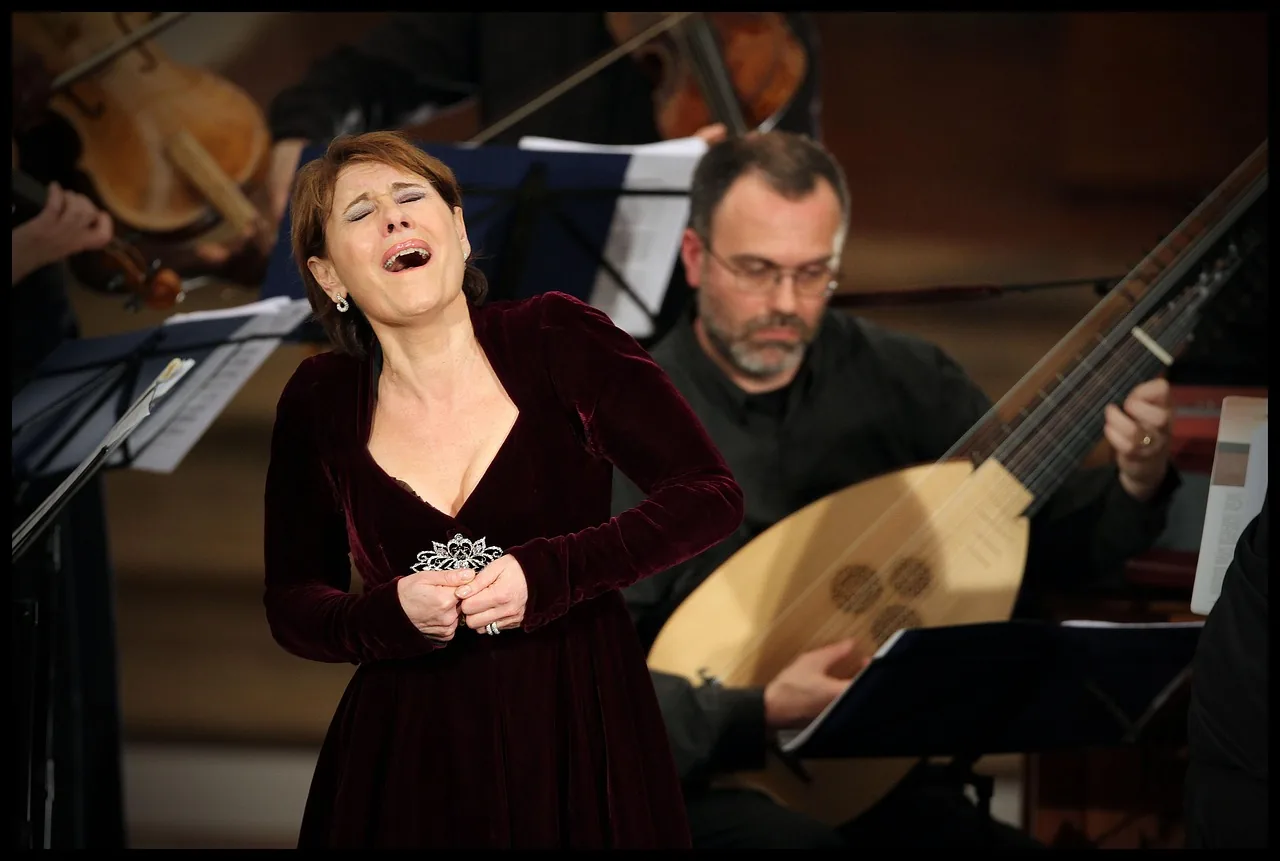
Contemporary interpretations of Baroque opera offer a range of artistic visions, from historical reconstruction to the inclusion of modern stage elements, creating a captivating and harmonious production. Directors can reinterpret Baroque works by incorporating contemporary elements while respecting the period’s aesthetic and essence. This approach can captivate modern audiences and spark their interest.
Contemporary productions of Baroque opera can take different forms. Some theatre companies favour meticulous historical reconstruction, recreating period sets, costumes and acting techniques. Audiences can thus immerse themselves in the visual and musical world of the Baroque period.
Other directors take a bolder approach by blending eras. They incorporate modern stage elements, such as video projections, innovative lighting and contemporary sets, to give Baroque operas a new dimension. This meeting of old and new creates a visually stimulating production while preserving the works’ musical and dramatic integrity.
Contemporary interpretations of Baroque opera give directors and performers creative freedom. They can express their own vision while paying tribute to the traditions and heritage of the Baroque period. This variety of approaches allows the genre to keep evolving and captivating contemporary audiences while preserving its essence and timeless beauty.
| Contemporary productions of Baroque opera | Benefits |
|---|---|
| Historical reconstruction | – Offers an immersive experience of the Baroque world – Strengthens the authenticity of the works |
| Blending eras | – Visually engages modern audiences – Allows creative interpretation while preserving the integrity of the works |
In conclusion, contemporary interpretation of Baroque opera is a source of inspiration for directors and performers. It offers many ways to bring works to life and captivate audiences. Whether through faithful historical reconstruction or the inclusion of modern stage elements, the stage spectacle remains central to the Baroque opera experience, immersing audiences in an artistically rich and emotionally intense world.
Conclusion
Baroque opera continues to fascinate with its visual splendour and onstage drama, offering an unforgettable musical and theatrical experience. Associated with magnificence and intensity on stage, it remains a valuable legacy of classical opera. Founded on harmony and beauty, it has given rise to timeless masterpieces that continue to captivate listeners.
Staging and performance play an essential role in Baroque opera, showcasing sumptuous costumes, breathtaking sets and talented singers. Although financial constraints may limit historical fidelity, directors’ creativity allows them to reinvent the Baroque spectacle and combine it with contemporary elements, offering distinctive and captivating interpretations.
The visual beauty and emotional experience of Baroque music are essential to contemporary audiences. Whether viewed through its kitsch aesthetic or as an antidote to the rituals of Western theatre, Baroque opera offers complete immersion in a world of passion, grandeur and artistic expression. Composers of the period contributed significantly to the development of Baroque opera by creating works that continue to touch hearts and amaze listeners.
Thus, Baroque opera, interpreted in different ways by contemporary directors, remains a living and relevant art form. Its visual splendour, onstage drama and enchanting music continue to captivate audiences and offer them a unique, unforgettable experience. Whether through historical reconstruction or a contemporary approach, Baroque opera remains an enduring testament to the beauty and power of artistic expression.
FAQ
What is Baroque opera?
Baroque opera is a genre of opera associated with splendour and drama on stage, characterised by specifically French compositions created in the 1670s.
What are the different approaches to staging Baroque operas?
Baroque operas can be staged in different ways, from archaeological reconstruction to creative reinvention or modernised adaptation, depending on financial constraints and the requirements of theatrical coherence.
What elements of Baroque opera matter to contemporary audiences?
The visual spectacle and the experience of Baroque music matter to contemporary audiences, who are fascinated by the beauty of the staging and the aesthetic of Baroque music.
How do directors interpret Baroque practice?
Directors can interpret Baroque practice in different ways, from historical reproduction to combining it with contemporary elements, creating distinctive and captivating productions.
What makes Baroque opera so special?
Baroque opera stands out for its visual splendour, onstage drama and emotionally rich music, creating an immersive and captivating theatrical experience for audiences.