
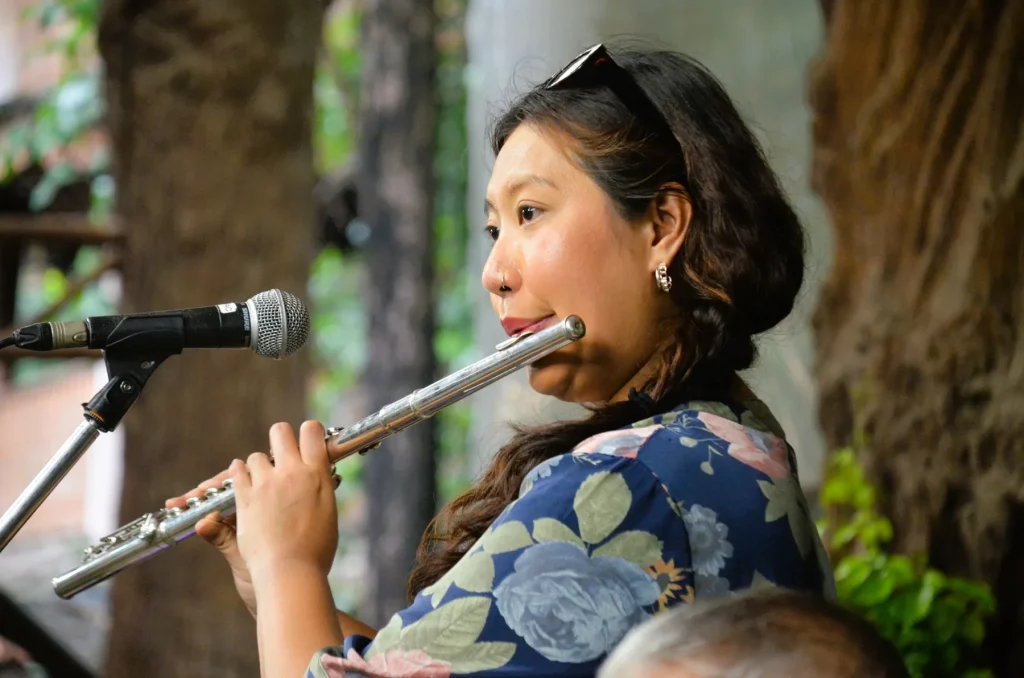
The role of women composers and performers in Baroque music was long overlooked, but it is increasingly recognized today. During the 17th and 18th centuries, several women distinguished themselves in this field, including Elisabeth Jacquet de la Guerre and Barbara Strozzi. They composed many works, including secular cantatas. Women musicians were also active in convents, and princes encouraged them to take music lessons. However, they were not always regarded as creators in their own right. Even so, they left behind eclectic and remarkable works. Today, many initiatives highlight Baroque women composers and help bring them recognition.
Women composers of Baroque music
Several women distinguished themselves as composers of Baroque music, including Elisabeth Jacquet de la Guerre and Barbara Strozzi. Their contributions were exceptional for their time and paved the way for greater recognition of women in music.
Elisabeth Jacquet de la Guerre was a 17th-century French composer and harpsichordist. Her musical talent was recognized from an early age. She composed many works, including secular cantatas and harpsichord sonatas. Her music was innovative for its time, blending elements of French and Italian styles.
Barbara Strozzi was a 17th-century Italian composer and a talented singer. Her compositions consisted mainly of madrigals and cantatas. Expressive and moving, her music explored themes of love and passion.
| Composer | Notable works |
|---|---|
| Elisabeth Jacquet de la Guerre | Secular cantatas, harpsichord sonatas |
| Barbara Strozzi | Madrigals, cantatas |
These composers left an important legacy in Baroque music. Their works are still admired today for their beauty and originality. Their talent and determination opened doors for other women artists, contributing to the development and recognition of Baroque music.
Baroque music was enriched by the creativity of composers such as Elisabeth Jacquet de la Guerre and Barbara Strozzi. Their influence endures and continues to inspire future generations of women musicians and composers.
Women performers of Baroque music
Women musicians were also active in convents, and princes encouraged them to take music lessons. They played an essential role as performers of Baroque music. As instrumentalists or singers, they were appreciated throughout the country for their talent and virtuosity.
Some women made names for themselves as exceptional performers of Baroque music. Their command of instruments such as the harpsichord, lute, and violin was remarkable. Their vocal abilities also enriched Baroque music. Convents offered them an environment in which to develop their musical talents.
Women musicians of the Baroque era often studied with renowned teachers and received financial support from princes who recognized their talent. They performed at private and public concerts, and some were even employed as musicians at the royal court. Their contribution as performers was essential to bringing the compositions of women of their time to life.
An example of a famous performer: Francesca Caccini
“Music is a true passion for me. I am honored to share my talent and contribute to the flourishing of Baroque music.”
| Name | Instrument |
|---|---|
| Francesca Caccini | Singer and composer |
| Julie Pinel | Violinist |
| Claudine-Alexandrine Guérin | Harpsichordist |
Women performers of Baroque music played a crucial role in spreading this art. Their virtuosity and passion have helped Baroque music resonate through the centuries. Their exceptional contributions and often underestimated talents deserve recognition.
Women’s contribution to Baroque music
Despite their significant contribution to Baroque music, women were not always regarded as creators in their own right. In the 17th and 18th centuries, women musicians played an essential role in its development. They composed many works and excelled as celebrated performers.
Elisabeth Jacquet de la Guerre, one of the best-known composers of the period, wrote cantatas, sonatas, and harpsichord suites. Her music was innovative, and she was the first woman to be recognized as a leading composer. Barbara Strozzi, another remarkable composer, left a rich legacy of madrigals and secular cantatas. Their works reflect their exceptional talent and their ability to push the boundaries of Baroque music.
Women musicians were also active in convents, where they played a key role in preserving and creating Baroque music. Princes of the time actively encouraged women to take music lessons and develop their passion. Nevertheless, women were often confined to the role of performer rather than composer, and their work did not always receive the recognition it deserved.
Despite the obstacles they faced, women musicians of the Baroque era left an eclectic and remarkable musical legacy. Their innovative compositions explored new musical forms and styles and helped shape the musical landscape of their time. Their contribution was essential to the development of Baroque music and continues to be appreciated and studied today.
| Composers | Notable works |
|---|---|
| Elisabeth Jacquet de la Guerre | Harpsichord suites |
| Barbara Strozzi | Madrigals and secular cantatas |
Thanks to initiatives such as music festivals devoted to Baroque women composers and recordings that bring their music to wider audiences, women musicians of the Baroque era are gaining recognition. Their essential contribution to music history and their unique musical legacy deserve to be celebrated.
The works of women artists in Baroque music
Despite narrow views of their role, women artists in Baroque music left behind eclectic and remarkable works. Their compositions contributed to the development of the musical styles of their time and left their mark on the musical landscape.
Elisabeth Jacquet de la Guerre is one of the most emblematic composers of this period. Her exceptional talent earned her recognition at the court of Louis XIV. Influenced by French and Italian styles, her music stands out for its expressiveness and lyricism. Among her best-known works are her secular cantatas, which showcase her distinctive artistic sensibility.
Barbara Strozzi was a Venetian singer and composer who captivated listeners with her powerful voice and moving musicianship. Her compositions, including madrigals and arias, are recognized for their melodic inventiveness and passionate expression. Strozzi left a lasting legacy in Baroque music and inspired many women artists who followed her.
| Famous Baroque women composers | Notable works |
|---|---|
| Elisabeth Jacquet de la Guerre | Secular cantatas, harpsichord suites |
| Barbara Strozzi | Madrigals, arias |
Baroque music also made room for talented performers. Women musicians were active in convents, where they could devote themselves to their art and develop their musical skills. Some were supported by princes who recognized their talent and encouraged them to take music lessons.
“Music is the expression of the soul, and gender does not matter in this creative pursuit.”
Despite the obstacles and prejudices of their time, women artists in Baroque music succeeded in leaving a significant musical legacy. Their varied and remarkable compositions testify to their passion, creativity, and undeniable contribution to the history of Baroque music.
Today, many initiatives highlight Baroque women composers and help bring them recognition. It is essential to celebrate their legacy and continue promoting diversity and inclusion in classical music. By recognizing and appreciating the crucial role of women composers and performers in Baroque music, we deepen our understanding and appreciation of this extraordinary musical heritage.
Recognition of Baroque women composers
Today, many initiatives highlight Baroque women composers and help bring them recognition in the music world. These efforts aim to give women who played an essential role in the development of Baroque music the visibility and place they deserve. They seek to address the historical lack of recognition for their contributions and to do them justice.
Through these initiatives, works by Baroque women composers are brought to light and performed at concerts and festivals devoted to their music. Specialist publishers also publish their scores, making the works easier to access. This helps audiences discover the richness and diversity of their music and recognize its importance in the history of Baroque music.
“Baroque women composers made a significant contribution to the music of their time, and it is essential to recognize and celebrate their creative achievements,” says Marie Dupont, a Baroque music researcher.
These initiatives also emphasize education and public awareness of the importance of women composers and performers in Baroque music. Lectures, workshops, and educational programs help people learn about and appreciate their work. This helps challenge the gender stereotypes and prejudices that long hindered their recognition.
In short, the growing recognition of Baroque women composers marks an important step in music history. It allows us to reassess women’s role in Baroque music and value their artistic contribution. These initiatives preserve their musical legacy, while their influence continues to inspire new generations of composers and performers.
| Initiatives recognizing Baroque women composers | Country |
|---|---|
| Women Composers Festival | France |
| International Women’s Baroque Composition Competition | Belgium |
| “Baroque Heritage: Women in Music” exhibition | United States |
| Research project on Baroque women composers | Germany |
Conclusion
In conclusion, it is essential to recognize and celebrate the role of women composers and performers in Baroque music. Their contribution was overlooked for a long time, but today, thanks to many initiatives, they are finally beginning to receive the recognition they deserve. During the 17th and 18th centuries, talented women such as Elisabeth Jacquet de la Guerre and Barbara Strozzi distinguished themselves in this field and composed beautiful works, including secular cantatas.
Women musicians were also active in convents, where they found the support they needed to develop their talent. Princes encouraged their musical education, allowing them to study and refine their skills. Despite the challenges and prejudices they faced, women composers and performers of Baroque music left an eclectic and remarkable musical legacy.
Today, many initiatives highlight Baroque women composers and help bring them recognition. It is vital to continue supporting and promoting these talented women, both for their artistic legacy and for the inspiration they offer future generations. By recognizing their often overlooked role, we deepen our understanding of music history and honor the women who overcame obstacles to share their passion and talent with the world.
FAQ
What role did women composers and performers play in Baroque music?
The role of women composers and performers in Baroque music was long overlooked, but it is increasingly recognized today. Their creativity and talent enriched the musical repertoire of the period.
Who are some women composers of Baroque music?
Among the best-known women composers of Baroque music are Elisabeth Jacquet de la Guerre and Barbara Strozzi.
What role did women performers play in Baroque music?
Women performers played an essential role in Baroque music as instrumentalists and singers. Their performances helped create rich and varied musical experiences.
What notable works did women artists in Baroque music leave behind?
Women artists in Baroque music left behind eclectic and remarkable works, including secular cantatas.
How are Baroque women composers recognized today?
Today, many initiatives highlight Baroque women composers and help bring them recognition. Their contribution to Baroque music deserves recognition and celebration.