
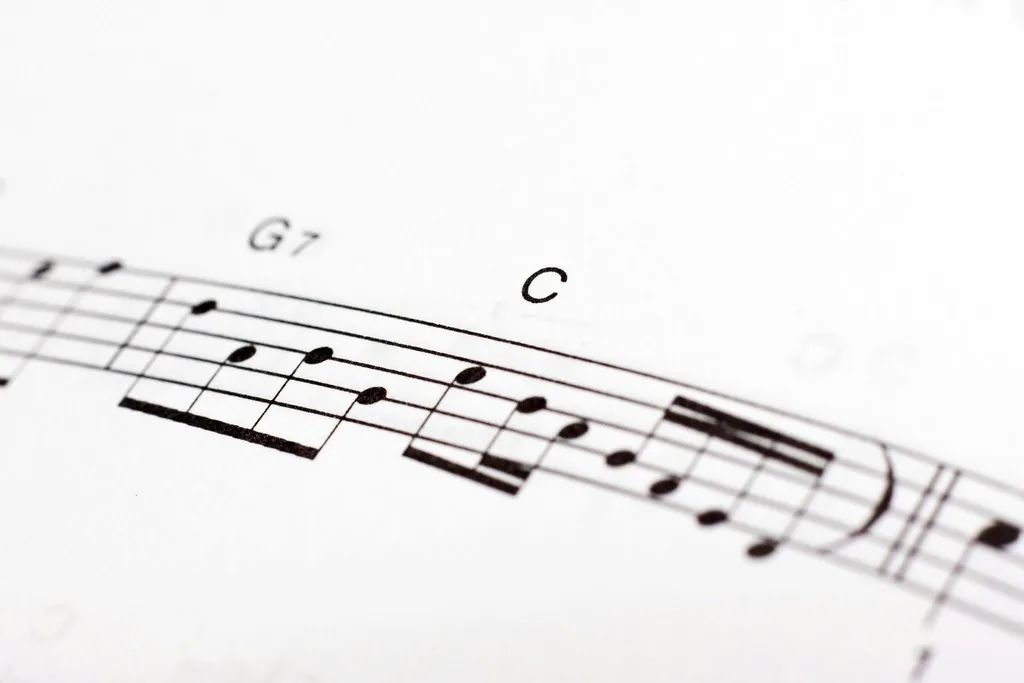
A Baroque organ reference. This Alphonse Leduc edition brings the pieces together in a clearly laid out collection, ready for use in church services or concerts. The layout makes the music easy to read at the organ and to annotate during rehearsals.
The volume contains 30 versets (Tones 1/2) designed for alternatim, preludes, interludes and postludes. These short pieces allow flexible programming according to the acoustics and the time available.
The editorial markings make preparation easier. The book is printed in French and weighs 1.3 kg, something to bear in mind when carrying it to church.
Suitable for French or German Baroque organs and modern neo-Baroque organs equipped with flutes, reeds and mixtures. Product identifiers for ordering: ASIN B000ZGBU2G, ISBN-13 979-0046277429.
Explore the organ edition of Pachelbel’s Magnificat: contents, versets and features
Here you will find thirty miniatures for manuals and pedals, ideal for church services. This printed volume brings together 30 versets (Tones 1/2) intended for alternatim, preludes or interludes. Each piece is brief enough to fit the length of the service and the acoustics of the space.
The edition is intended exclusively for organ, with parts for the right hand, left hand and, at times, the pedals. The layout makes page turns easier at the console.
Product details and practical features
- Publisher: Alphonse Leduc, known for the quality of its editions.
- Format: printed score, classical genre.
- Identifiers: ASIN B000ZGBU2G, ISBN-13 979-0046277429.
- Language: French; weight: 1.3 kg; date: November 9, 2005.
Educational value: each verset offers an opportunity to practise registration, antiphonal responses and the shaping of the sung line. Order using the identifiers above for prompt delivery in France.
Pachelbel’s Magnificat: scores and performance tips
Written for worship, these versets fit easily between sung stanzas and instrumental passages. Alternatim calls for clear transitions. Follow the Latin prosody and allow room for musical breaths.
Registrations and tone colors for Tones 1/2
Foundations: favor 8′ and 4′ stops (Principal, Bourdon, Flute). Add a 2′ stop for clarity. Save the mixture for more emphatic responses.
Tone colors: use the Cornet or Nasard for cantabile lines. Choose gentle reeds (8′ Trumpet, Cromorne) for measured contrasts. Use the echo division if the instrument has one.

Tempo, phrasing and practical preparation
Aim for a moderate, flowing tempo. Articulate according to the structure of the text to keep the counterpoint clear. Baroque articulation calls for expressive non-legato playing and subtle rhythmic inequality.
To prepare, sing through each line using solfège. Practise difficult transitions, fingerings and pedal passages separately. Mark your stop combinations and page-turn cues in the score.
Rehearsal plan and technique
- Plan short, regular practice sessions.
- Work on 2 to 3 consecutive versets to simulate the service.
- Pedals: use heel-toe technique sparingly and practise in sections with a metronome.
| Registration | Use | Effect | Tip |
|---|---|---|---|
| 8′ + 4′ | Sung verset | Clarity and support | Balance the sound without drowning out the choir |
| 2′ + Mixture | Emphatic response | Brilliance | Use sparingly in a reverberant nave |
| Cornet / Nasard | Solo lines | Cantabile color | Isolate the line to make it stand out |
Score formats, availability and publication rights
Ways to obtain the music include a ready-to-use printed edition and digital files where these are identified as being in the public domain.
The printed version remains the most reliable option for professional use. It lets you annotate registrations, fingerings and performance cues while retaining the original pagination.
Printed copies and permitted downloads
Printed copies: available from the publisher or a music bookshop. Choose spiral binding and paper weighing 90 to 120 g/m² for lasting durability.
Downloads: files reset by the association may be printed freely for personal or educational use when their status indicates that they are in the public domain.
Rights, use and restrictions
“Republication on other websites, whether for viewing or downloading, is strictly prohibited.”
- Permitted use: personal printing and performance in an institutional setting, with appropriate credit.
- Prohibited use: posting the files on third-party websites for public viewing or downloading.
- Verification: report any suspected copyright protection to the publisher or administrator.
If in doubt, contact the publisher for the official version. This page is intended as a reliable starting point for obtaining the correct edition and understanding its terms of use.
Conclusion
This is a practical resource for organists seeking short, effective versets. The edition offers 30 short pieces that are easy to incorporate into a church service or concert for an authentic Baroque performance.
Durable printed format: the identifiers (Alphonse Leduc, ASIN B000ZGBU2G, ISBN-13 979-0046277429) make the edition easier to purchase. This format lets you annotate the score and prepare for rehearsals without difficulty.
The guide offers clear suggestions for alternatim, registration for Tones 1/2, tempo and articulation. Follow these recommendations for an elegant, convincing performance.
Observe the terms of use: personal printing is permitted; republication of the reset files is prohibited. Obtain the scores now to prepare church services, recitals and Baroque programs.