
Ornaments in Baroque music are embellishment techniques that enrich melodies by adding trills, mordents, flourishes and other elements. These ornaments, written as small notes or indicated by symbols, bring variety and grace to musical compositions.
Baroque musicians used these ornaments to accentuate rhythm and express different emotions. Baroque musicians also wrote detailed treatises on ornaments. In them, they explain the use and interpretation of these ornamentation techniques.
Trills
Trills are among the most important ornaments in Baroque music. They add virtuosity and expressiveness to compositions. They consist of a rapid alternation between the principal note and the note above it, creating a shimmering melodic effect. Trills can be performed in different ways depending on the musical context and the musician’s interpretation.
In Baroque music, trills were often used to emphasize key moments in a composition or express particular emotions. They also embellished melodic passages and added virtuosity to a musician’s playing. Trills were generally marked by specific symbols above or below a note, indicating the trill’s duration and intensity.
An example of trill notation is shown in the table below:
| Principal note | Upper note | Duration | Marking |
|---|---|---|---|
| C | D | Semitone | Tr |
Trills can be played detached or legato, depending on the musical style and the desired effect. Their speed and intensity can also vary, allowing musicians to personalize their interpretation. Trills were often used in violin, flute and harpsichord solos, adding another dimension to the virtuosity of the performance.
Musical example with trills:
“Allegro” from Johann Sebastian Bach’s Violin Sonata in A major: insert link to the musical example
In conclusion, trills are an essential element of Baroque music: they add virtuosity and expressiveness to compositions. They highlight key moments and embellish the melody. Trills were widely used by Baroque composers and musicians and are still valued today in performances of classical music.
Mordents
Mordents are ornaments frequently used in Baroque music to add nuance to melodic lines. They are performed by quickly playing an upper note and a principal note, creating a sense of musical tremolo or vibration. Mordents may be written as small notes or indicated by specific symbols in the score.
In Baroque music, mordents embellish melodic lines and add variety to compositions. They can be placed before or after principal notes and take their duration from the notes that precede or follow them. Mordents can be performed in different ways: by starting on the principal note and adding the upper note, or by starting on the upper note and descending to the principal note.
| Type of mordent | Example |
|---|---|
| Upper mordent |  |
| Lower mordent | 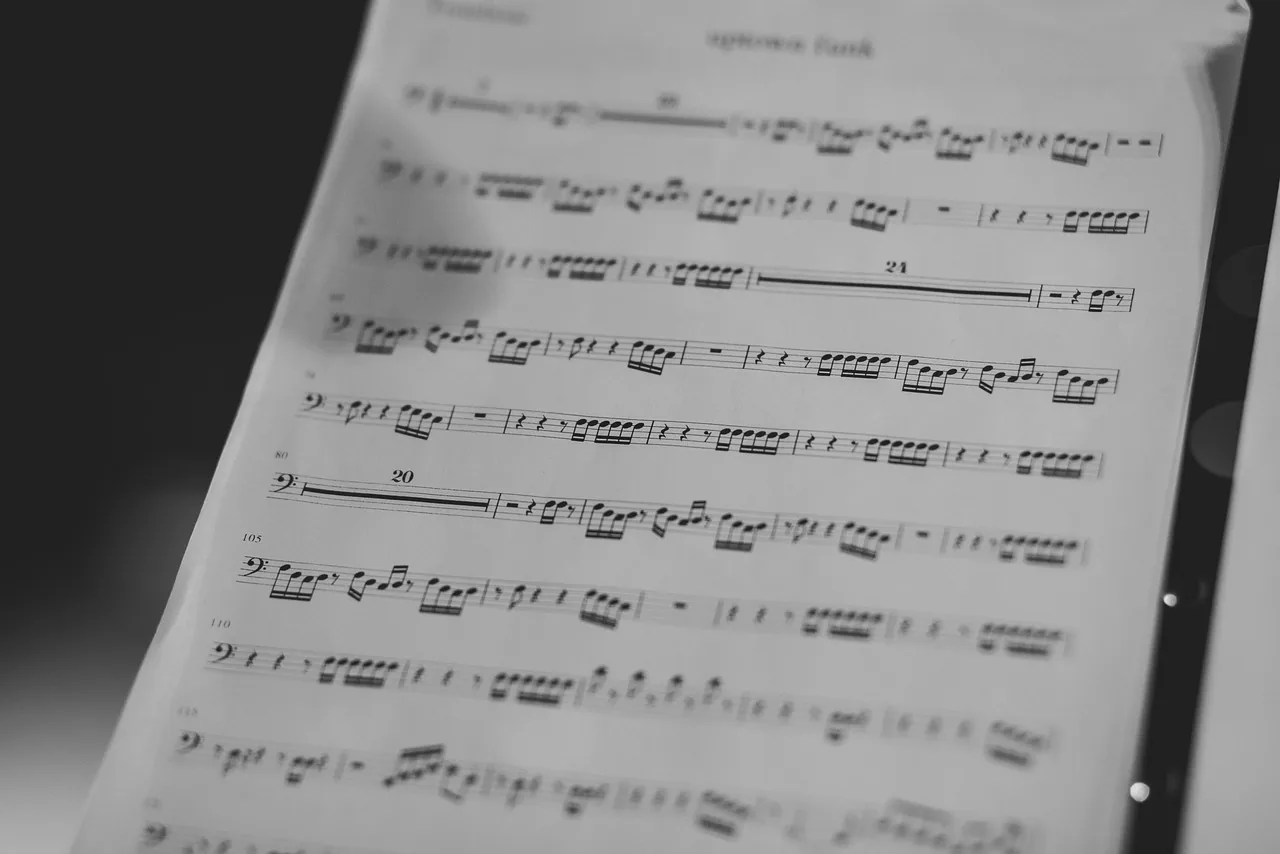 |
Baroque musicians used mordents to add expressiveness and virtuosity to their playing. These ornaments created moments of tension and contrast in compositions, accentuating the rhythm and expressing different emotions. Mordents were often used in fast, lively pieces to add energy and lightness to Baroque music.
Conclusion
Mordents are essential ornaments in Baroque music: they add nuance to melodic lines. Their use enriches compositions and expresses different emotions while bringing out the Baroque style. Baroque musicians left detailed treatises on ornaments, providing guidance on their execution and interpretation. Although the use of ornaments has become less common over time, understanding their importance is essential to a musical performance faithful to the Baroque period.
Flourishes
Flourishes are ornaments that enrich melodic lines in Baroque music. They give the music a more expressive and decorative quality. Flourishes can be placed before or after principal notes and are often written as small notes or indicated by specific symbols.
Baroque musicians used flourishes to add virtuosity to compositions and display their technical skill. They bring variety and sophistication to the music by emphasizing certain notes or creating effects of tension and resolution. Flourishes can be performed in different ways, depending on the Baroque style and the preferences of the composer or performer.
Here are some examples of flourishes commonly used in Baroque music:
- Mordents: an additional note played quickly before the principal note, creating the effect of a short trill.
- Trills: ornaments in which the principal note alternates rapidly with an upper or lower note.
- Turns: ornaments similar to trills but involving the rapid alternation of several notes of the scale.
These flourishes, along with other ornamentation techniques, give Baroque music a distinctive character and allow performers to bring out the beauty of its compositions. They are essential to understanding and fully appreciating the Baroque style and authentic performances of music from this period.
Example of a flourish in a Baroque score:
| Principal note | Flourish |
|---|---|
| C | Turn (C–B–A–G–C) |
| D | Trill (D–E–D) |
| E | Mordent (E–C–E) |
Ornamentation and musical performance
Ornamentation was an essential feature of Baroque music and played an important role in musical performance during that period. Ornaments such as trills, mordents and flourishes were embellishment techniques used by Baroque musicians to add variety and grace to their compositions. These ornaments were written as small notes or indicated by symbols and could be placed before or after principal notes. They took their duration from the principal notes that preceded or followed them.
The principal ornaments used in Baroque music included the appoggiatura, turn, trill, mordent and flourish. Each ornament had its own manner of execution and could help accentuate the rhythm or express different emotions in a piece. Many Baroque musicians left detailed treatises on ornaments, explaining their use and interpretation.
Ornamentation was widely used during the Baroque period, but its use gradually declined from the nineteenth century onward. Nevertheless, ornamentation remains an important part of performing classical music, particularly French Baroque music and Italian Baroque music. Alongside ornaments, other performance techniques, such as notes inégales and rubato, were also used to add expressiveness to Baroque music. Ornamentation should be used with taste and should help bring out the principal melody.
| Ornament | Example | Description |
|---|---|---|
| Appoggiatura | No example | An ornamental note played quickly before a principal note. |
| Turn | No example | A rapid series of notes, generally played like a trill, around a principal note. |
| Trill | No example | A rapid alternation between two adjacent notes. |
| Mordent | No example | An ornamental note played quickly before or after a principal note. |
| Flourish | No example | Elaborate, virtuosic melodic ornaments used to embellish a melodic line. |
In summary, ornamentation was an essential feature of Baroque music, used to add variety and grace to musical compositions. Trills, mordents and flourishes were embellishment techniques commonly used by Baroque musicians. These ornaments were performed in different ways and helped accentuate rhythm and express various emotions. Although their use has declined over time, ornamentation remains an important part of performing classical music and Baroque music.
In conclusion, ornaments such as trills, mordents and flourishes play a crucial role in Baroque music by adding variety and expressiveness to compositions. Appropriate musical performance is essential to making full use of them.
Ornaments in Baroque music include trills, mordents, flourishes and other embellishment techniques that add variety and grace to a musical composition. These ornaments are written as small notes or indicated by symbols and can be placed before or after principal notes. They take their duration from the principal notes that precede or follow them. The principal ornaments in Baroque music include the appoggiatura, turn, trill, mordent and flourish. Each ornament has its own manner of execution and can help accentuate the rhythm or express different emotions in a piece.
Many Baroque musicians left detailed treatises on ornaments, explaining their use and interpretation. Ornamentation was widely used during the Baroque period, but its use gradually declined from the nineteenth century onward. Alongside ornaments, other performance techniques, such as notes inégales and rubato, were also used to add expressiveness to Baroque music. Ornamentation should be used with taste and should help bring out the principal melody.
In conclusion, ornaments are an essential element of Baroque music. They add beauty and emotion to compositions. Their proper execution and interpretation are essential to fully conveying the spirit of the Baroque period. Trills, mordents and flourishes, along with other ornamentation techniques, should be used judiciously to embellish the principal melody and express the emotions and style characteristic of Baroque music. A thorough understanding of these ornaments and a sensitive interpretation bring Baroque musical works back to life and allow them to be appreciated in all their splendor.
FAQ
Which ornaments are used in Baroque music?
Ornaments in Baroque music include trills, mordents, flourishes and other embellishment techniques.
How are ornaments written in a Baroque musical composition?
Ornaments are written as small notes or indicated by symbols and can be placed before or after principal notes.
What are some of the principal ornaments used in Baroque music?
The principal ornaments in Baroque music include the appoggiatura, turn, trill, mordent and flourish.
What is the function of ornaments in Baroque music?
Ornaments add variety and grace to a musical composition, accentuate the rhythm or express different emotions in a piece.
How important was ornamentation in Baroque music?
Ornamentation was widely used during the Baroque period, but its use declined from the nineteenth century onward.
What other performance techniques were used in Baroque music?
Alongside ornaments, other performance techniques, such as notes inégales and rubato, were also used to add expressiveness to Baroque music.