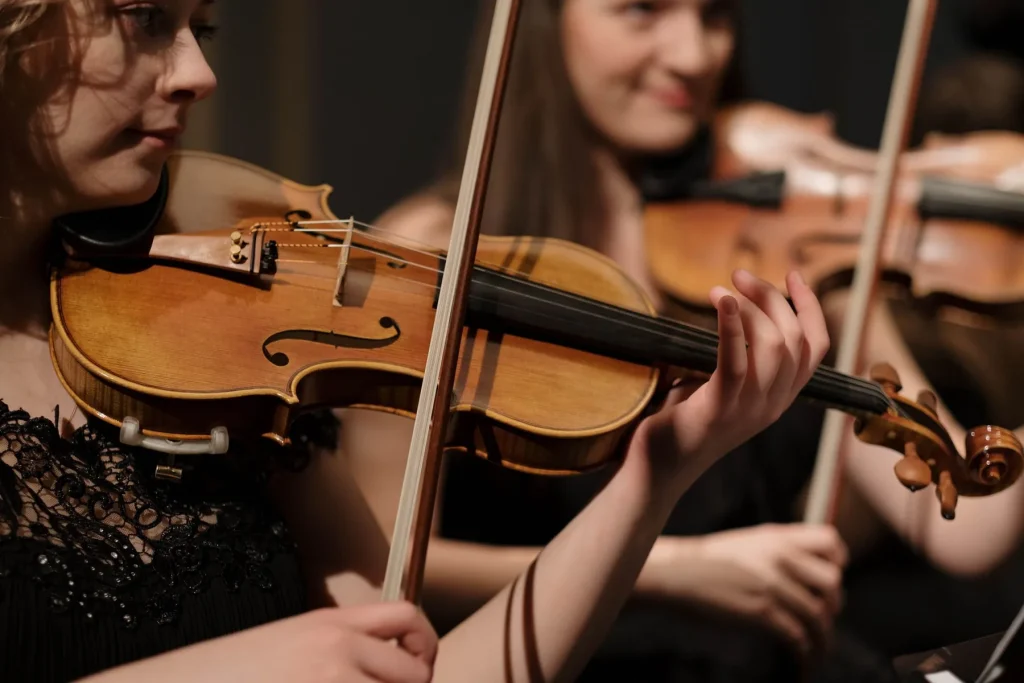
This guide offers an editorial selection of the most notable performances of Johann Pachelbel’s Canon in D major. The selection is based on musical quality, sound recording and stylistic consistency.
A popular work if ever there was one, the Canon lends itself to a wide range of arrangements: period instruments, orchestral ensembles and crossover interpretations. Its repeating bass line and crescendo offer a broad palette of colours.
This introduction saves time. It helps you quickly distinguish performances that favour Baroque clarity, orchestral power, the intimacy of chamber music or expressiveness at the piano.
Our approach is a considered overview, not a fixed ranking. Each entry describes the timbres, dynamics, sound balance, tempo and phrasing, then suggests ideal listening settings.
Practical tips: compare several recordings to hear the effect of the instruments, reverberation and conductor’s gestures. Simple benchmarks help assess video production quality: picture definition, stereo clarity and the absence of heavy compression.
Finally, explanatory performances with commentary round out the selection, turning background listening into an immersive and attentive experience.
Selection framework and historical context of the most popular videos
Placing Pachelbel in his historical context helps you judge each recording fairly. The work dates from the late German Baroque and was originally intended as chamber music. This flexibility explains why the same piece can work for both a viol consort and a large string orchestra.
Key criteria: audio, video and production quality
- Clean frequency range: clear bass without hum, distinct midrange and treble without hiss.
- Dynamics: peaks without clipping and preservation of the dynamic range.
- Stereo balance: a sound image without a gap in the centre or wandering instrumental parts.
- Visuals: a steady image, restrained lighting, long shots and sensitive editing.
Authenticity and interpretive choices
Signs of a historically informed approach include tuning close to A=415 Hz, gut strings, an articulated continuo and restrained ornamentation. The tempo should remain steady but lively.
Imperfections in a live recording are acceptable if the energy, cohesion and acoustics strengthen the sense of presence. Popularity can help you discover a recording, but it should not outweigh its artistic and technical coherence.
Musicological clarity
Track descriptions, timestamps and notes on the ensemble help discerning listeners choose.
YouTube: The Best Performances of Pachelbel
How each performance presents the repeating bass line helps you choose one for your purpose: study, a ceremony or relaxed listening. Here are practical pointers for finding recordings that respect the work’s structure while offering a distinctive sound.
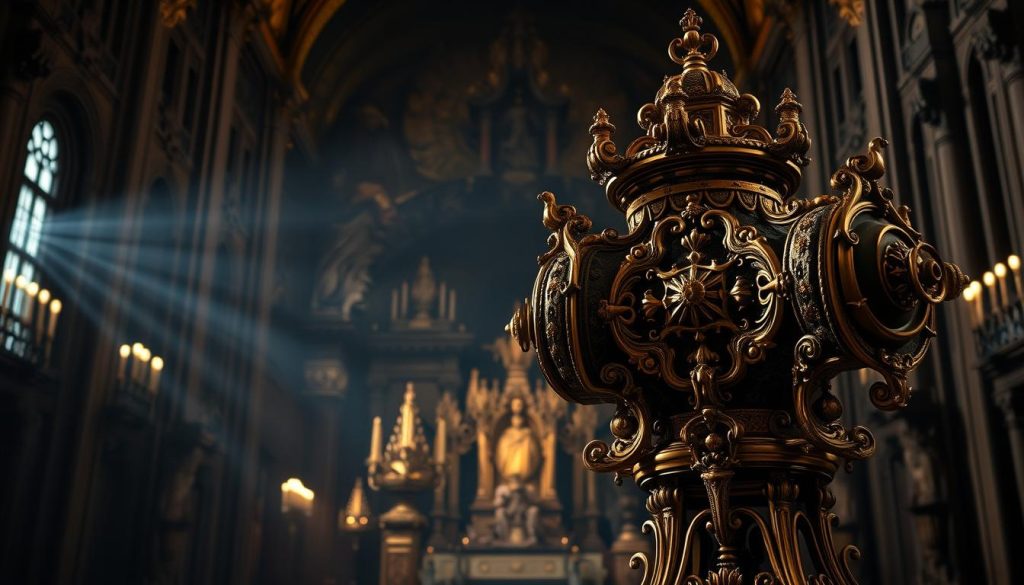
Baroque performance on period instruments — clear continuo and articulation
Choose period instrument ensembles with a harpsichord or small organ. Moderate tempos give the bass line room to breathe.
String orchestra arrangement — symphonic breadth and dynamics
Look for a spacious recording and gradual crescendos. The double basses should sound deep without weighing down the melody.
Solo piano performance — touch, pedalling and Romantic nuances
Assess the legato and use of the pedal. The piano should bring out the inner voices without smoothing away too much detail.
Live string quartet — intimacy, breathing and balance between parts
Focus on intonation, the blend of timbres and the room’s acoustics. The cello should support the repeating bass line.
Modern crossover adaptation — pop and classical fusion and a new view of the Canon
Look for rearrangements that preserve the harmonic framework. Contemporary textures should complement it without obscuring it.
Organ performance — stop selection, reverberation and liturgical power
Listen to the chosen stops and how they suit the acoustics. A good recording keeps the harmonic progressions clear.
Commented performance — teaching, harmonic analysis and listening cues
Choose videos that explain the figured bass and the principle of a canon, ideally with graphics or subtitles to guide the listener.
Final tip: for each type, note the duration, any cuts and the balance between expression and structure. To explore the historical and musical context further, read the entry on Pachelbel’s Canon.
Choosing a performance and improving the video experience
To get the most from a recording, begin by listening to two strongly contrasting performances. Compare tempo (steadiness and breathing), phrasing (connections and pauses), ornamentation (taste and clarity) and duration to find the best fit.
Picture and sound quality
Choose a 4K recording if one is available, while also paying attention to the quality of the audio stream, whether high bitrate or lossless. Check the stereo balance: clear bass, distinct midrange and treble that is not shrill.
Managing playback and interruptions
Use chapters and themed playlists to navigate quickly. Adjust the speed (0.75× for analysis, 1.25× for energy) to suit your purpose.
“An honest recording, however simple, reveals the music better than an overly polished production.”
| Criterion | Indicator | Action |
|---|---|---|
| Tempo / phrasing | Steadiness / breathing | Compare 2 to 3 excerpts |
| Audio quality | Lossless audio / balanced stereo | Choose a high bitrate stream |
| Interruptions | Presence of adverts | Play from trusted playlists |
Tip: if adverts interrupt playback, mark your place and resume afterwards. On a phone, noise cancelling earphones help preserve subtle dynamics.
Conclusion
Each recording reveals a different side of the Canon, depending on the ensemble and approach to sound. Listen to several performances to hear the differences between period instruments, orchestra, quartet, organ and piano.
Use the listening criteria presented here to assess tempo, phrasing, dynamics and recording quality. These pointers make it easier to choose between historical fidelity, a modern approach and an educational interpretation.
Improve playback: a quality stream, chapters and playlists help you compare performances. Finally, sharpen your ear by noting what moves you: timbres, energy and harmonic clarity will guide your discoveries.