
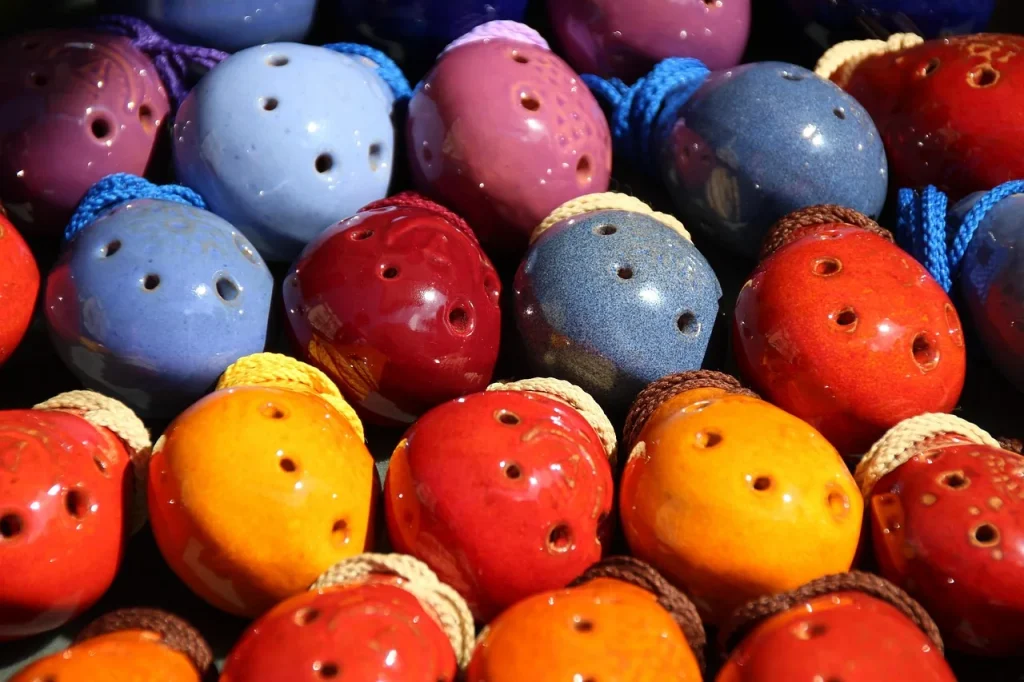
In the fascinating world of wind instruments, the ocarina has recently gained popularity. Thanks to iconic video games, sales have increased by 300% since 2015. But with so many models available, which instrument should you choose?
It is essential to do your research before buying. In fact, 87% of ocarinas available on general marketplaces such as Amazon are poorly tuned. That can spoil your musical experience.
To make the right choice, consider several factors. The number of holes, pitch range, material, and A440 tuning are all important. This guide will take you through each step, from learning about the instrument’s origins to making a purchase.
A good ocarina can be affordable, with prices starting at around €35 to €60. In this article, we will explore the different types of ocarinas, recommended makers such as STL Ocarina and Musique de Terre, and advice for beginners and experts.
Introduction to the ocarina: history, popularity, and appeal
The ocarina, a wind instrument with ancient roots, has captivated musicians over the centuries. Its origins date back more than 12,000 years, when the Maya and Aztecs used it for sacred rituals and communication.
In 1860, Giuseppe Donati transformed the instrument, giving it the transverse shape we know today. This development helped the ocarina spread around the world and take on various forms, including globular and pendant models.
The ocarina’s popularity surged thanks to iconic video games, particularly The Legend of Zelda, leading to a 300% increase in sales since 2015. This trend has created a worldwide community of enthusiasts who appreciate this distinctive instrument.
This article aims to make choosing your instrument easier by offering technical information and practical advice, whether you are a beginner or an experienced musician. Understanding the basics of how it works is important: air vibrates inside a hollow chamber, while the holes change the pitch to produce melodic notes.
Choosing a suitable model is crucial to avoid disappointment with low-quality instruments often found on general marketplaces. The ocarina has a place in traditional and contemporary music; amateurs and professionals alike play it at festivals and concerts.
In this guide, we will cover its history, models, materials, quality criteria, and buying advice. Ultimately, the ocarina is an accessible and rewarding instrument if you choose the right equipment from the start.
The different types of ocarinas by number of holes
Choosing an ocarina often depends on how many holes it has. Each model has distinctive features that affect the playing experience. Let’s explore the available options.
4- and 6-hole ocarinas: simplicity and portability
Four- and six-hole ocarinas are ideal for children and beginners. These compact models offer a range of 7 to 17 notes, depending on the method developed by John Taylor in the 1960s. Although their design is appealing, these instruments require players to memorize more fingerings.
Be wary of inexpensive imported models, as they may not follow Taylor’s method. Their tuning can be inconsistent, and the number of playable notes may be limited.
12-hole ocarinas: the standard for beginners and intermediate players
The 12-hole ocarina is often recommended for beginners and intermediate musicians. It can play around 21 to 22 notes over an octave and a half. Its gradual, logical fingering system makes learning easier and the instrument accessible to everyone.
The 12-hole model is also popular for playing varied pieces, including iconic video game themes. Its basic principle—uncover one hole to play a higher note—helps players understand the notes and improve.
Multi-chamber ocarinas: double, triple, and quadruple models for experts
Multi-chamber ocarinas, including double, triple, and quadruple models, are intended for experienced musicians. They cover 2 to 3 octaves, providing a wider range for demanding musical transcriptions.
These models use two types of fingering: Asian fingering, which favors continuity between chambers, and Pacchioni fingering, which favors a consistent tone. Before investing in a multi-chamber ocarina, it is advisable to master a standard 12-hole model.
| Type of ocarina | Number of holes | Available notes | Intended players |
|---|---|---|---|
| 4 and 6 holes | 4 to 6 | 7 to 17 | Children, beginners |
| 12 holes | 12 | 21 to 22 | Beginners, intermediate players |
| Multiple chambers | Double, triple, quadruple | 2 to 3 octaves | Experienced musicians |
In short, choosing an ocarina deserves some thought. A good instrument, together with a fingering chart and a case, will make your first steps easier. For more information about the different types of ocarinas, read our article on the available models.
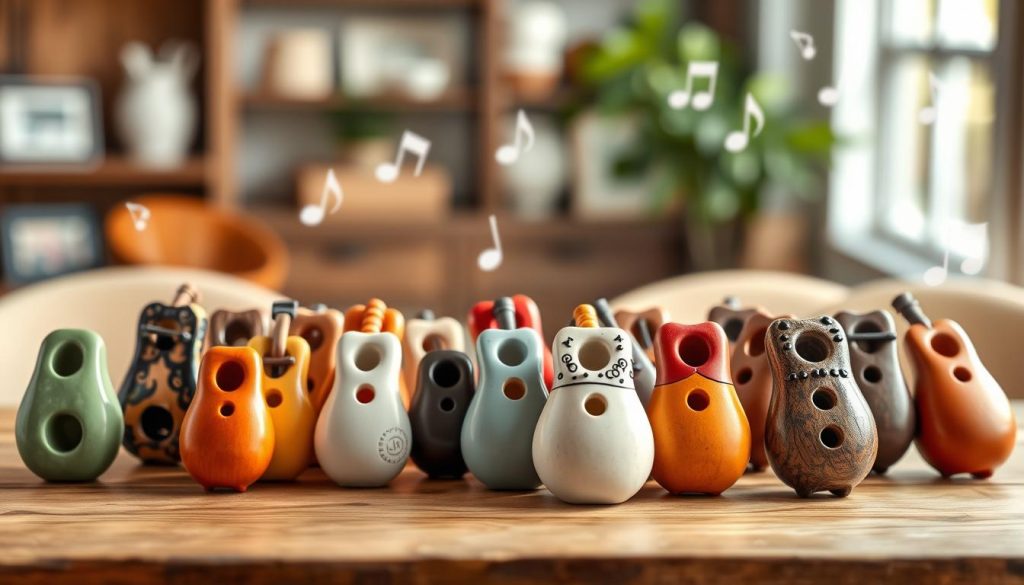
Understanding pitch range: which style suits soprano, alto, or bass?
Understanding pitch range is essential when choosing a wind instrument that suits your musical goals. An ocarina’s range determines the span of notes it can produce, affecting its tone and the styles you can play.
Bass range: low notes and a warm atmosphere
The bass range, extending from C3 to F5, produces low notes with a warm tone. This type of ocarina is ideal for solemn melodies and traditional compositions. Its sound often recalls Native American flutes and creates a soothing atmosphere.
Bass ocarinas are generally larger, measuring about 8 inches, and are often made of ceramic. Although they offer beautiful sound quality, their higher price may make them less suitable as a first purchase.
Alto range: versatility and comfort
The alto range, from C4 to F6, offers a balance between low notes and high ones. This type of ocarina is recommended for beginners because it is versatile and comfortable to play. Alto ocarinas are the most commonly used and are sometimes called “Tenor in C,” equivalent to “Alto in C” or “AC.”
This range lets you explore a wide variety of music while making learning easier. Starting with an alto model in C is advisable so you can try different tones before making a final choice.
Soprano range: high notes and technical control
The soprano range, extending from C6 to F7, produces clear high notes. These sounds are perfect for cheerful tunes, but they can become shrill without good breath control. Soprano ocarinas measure about 4 inches and are often the least expensive.
However, their small size calls for some technical skill to avoid unpleasant sounds. Listen to audio or video demonstrations to appreciate the differences between ranges and choose the one that best suits your musical style.
In short, pitch range directly affects tone, available notes, and playing comfort. It is therefore essential to understand it before buying.
How the ocarina works acoustically and why it matters when choosing one
To appreciate this instrument fully, it helps to understand how it works acoustically. The ocarina’s acoustics rest on simple but fascinating principles: the player’s breath drives the sound.
Breath and the sound chamber
The sound chamber is the cavity in which air vibrates to create notes. Its shape and volume directly affect the character of the tone. For example, globular models produce a rounded, warm sound, while transverse shapes produce a clearer, more projecting sound.
Mastering your breath and diaphragm control is essential for producing accurate, expressive notes on this wind instrument.
How the holes affect the notes
Each hole in the ocarina changes the vibrating air inside it, allowing you to play different notes. On 12-hole models, the range can extend to an octave and a half. Covering or uncovering each hole affects the scale, making learning more interactive.
Overblowing and intonation
The technique of overblowing can add around 3 to 4 notes to the standard range, expanding the musical possibilities. However, poor construction, such as badly drilled holes or an improperly calibrated chamber, can compromise intonation.
Choosing a quality model is therefore crucial to avoid the frustration of poor tuning. A poorly tuned instrument forces you to compensate with your breath, which can distort your sense of pitch.
Finally, practicing breath control regularly is essential for stable, expressive notes. The progressive fingering of a 12-hole transverse ocarina—lift one finger for a higher note—makes the movement predictable and natural, helping you learn.
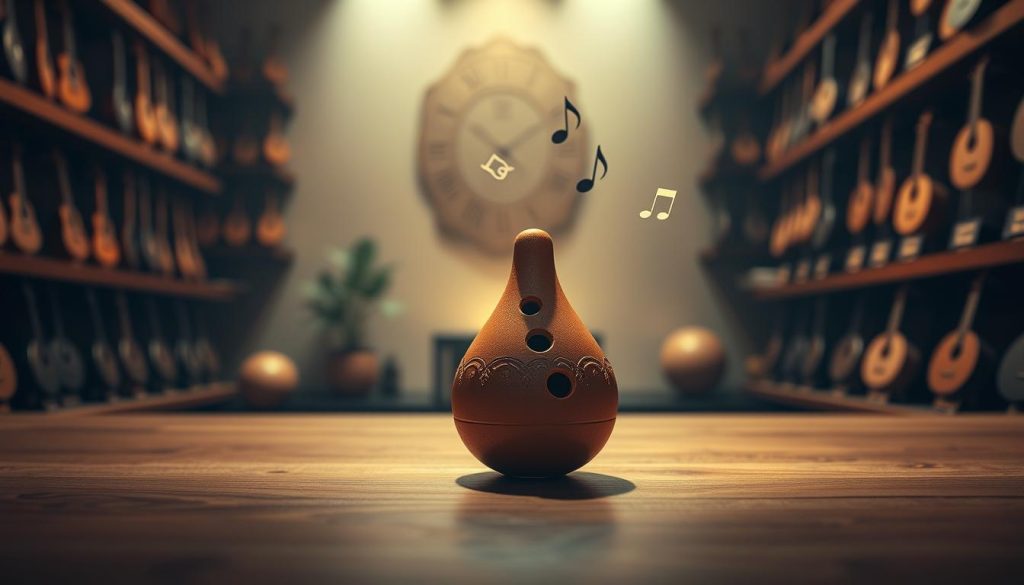
Materials and design: choosing between ceramic, plastic, and wood
Different materials have characteristics that affect the playing experience. For musicians, choosing a material matters both for achieving the desired sound and for ensuring the instrument lasts.
Ceramic: sound quality and fragility
Ceramic is often considered the traditional ocarina material. It offers exceptional harmonic richness, a warm tone, and excellent sound projection.
Handmade models, such as those from STL Ocarina and Musique de Terre, stand out for their unique glazes and remarkable intonation. However, ceramic’s fragility is a major drawback. Handle these instruments carefully and transport them in a padded case to protect them from knocks.
Plastic: durability and easy transport
Plastic is an appealing modern alternative. It is sturdy, light, and resistant to impacts, making it ideal for travel and outdoor practice.
The Night by Noble is a popular model in this category. Its sound quality rivals that of many ceramic ocarinas, while its matte finish is also appreciated. However, condensation can build up in plastic ocarinas and slightly affect the high notes; their tone is also generally less rich than ceramic’s.
Wood: warm sound and maintenance
Wood is a rare, valued material that produces a warm, organic sound. Instruments such as those made by Hind Ocarina are known for their beautiful natural resonance.
However, wooden ocarinas need specific care, including regular waxing and controlled humidity to prevent cracks. This makes them less suitable for beginners who may not be ready for that maintenance.
Also pay attention to ergonomics and hole alignment when choosing an instrument. The design directly affects playing comfort and sound quality. Ultimately, the material affects sound, durability, and resale value; models from established brands tend to retain their value better.
| Material | Sound quality | Durability | Maintenance |
|---|---|---|---|
| Ceramic | Warm and precise | Fragile | Careful handling |
| Plastic | Good, but less rich | Sturdy | Low |
| Wood | Warm and organic | Variable | Regular maintenance required |
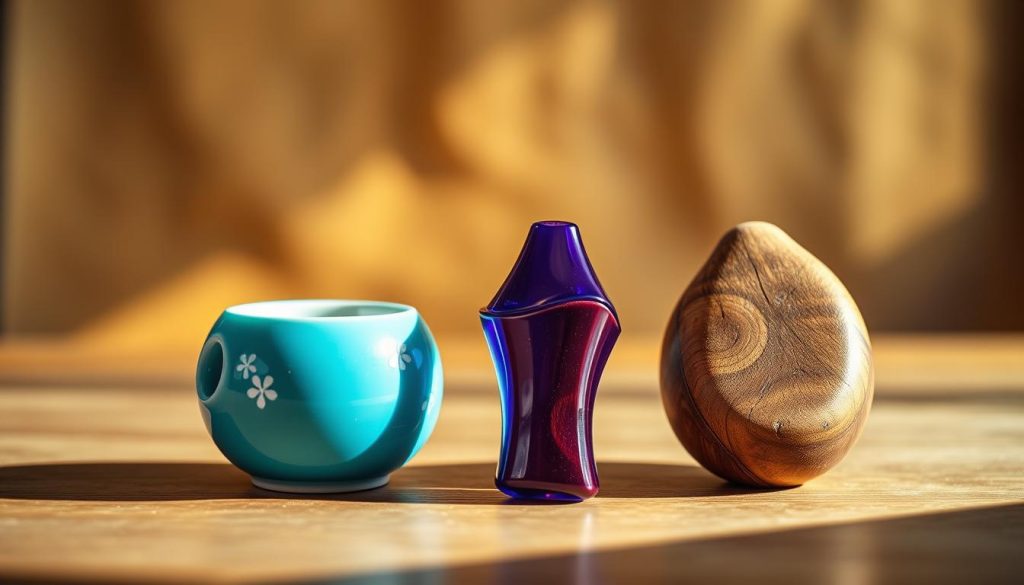
Which ocarina should you choose for your skill level and musical style?
Choosing a wind instrument can shape your musical journey. Every musician, beginner or expert, has particular needs. Here are some recommendations to help you make the right choice.
Beginners: advice and recommended models
For those just starting out, a 12-hole alto ocarina in C (A440) is ideal. With a budget of €40 to €80, this model is an excellent starting point. For example, the Dinda Alto C at €35 is an affordable option handmade in Thailand by Sarawut Bugkhuntod.
Choosing a suitable first instrument is essential to avoid discouragement. An overly complex model can slow your learning. A quality ocarina will make you want to practice regularly and improve.
Intermediate musicians: progression and suitable equipment
For musicians who already know the basics, models such as the STL Dragon (€80 to €120) or ocarinas from Musique de Terre are recommended. These instruments offer better projection and a wider range, allowing you to progress effectively.
Intermediate musicians can also explore different tunings, such as G or F, and various materials to broaden their range of sounds and musical experience.
Experts: advanced and multi-chamber models
Experienced musicians may choose multi-chamber ocarinas such as the Gosselink Triple C3 or Spencer models, which cost more than €300. These instruments cover 2 to 3 octaves and suit classical transcriptions and advanced arrangements.
With its Pacchioni fingering, the Triple C3 is a benchmark for experts: it offers more than two octaves and impeccable notes.
Regular practice is crucial. Spending 15 to 30 minutes a day on the ocarina can help a beginner master the basics within a few weeks. For an intermediate musician, it can lead to significant progress in three months.
For practical advice, explore the YouTube channels OCTalk and Gina Luciani for tutorials, as well as Part’Ocarina for generating tablature suited to your level.
Matching your choice to your budget: value for money
Budget is an important factor when choosing a wind instrument. Avoid sacrificing quality for a very low price, as you could end up with a poorly tuned model. Investing in a good instrument from the outset makes for a more rewarding musical experience.
Here is an overview of the price ranges:
- Reliable entry level: Models cost between €35 and €60. The Dinda Alto C at €35, for example, offers excellent value for a handmade instrument.
- Mid-range: Ocarinas such as those from STL and Focalink cost between €50 and €120. They are made of quality ceramic, with good intonation and careful finishes.
- High-end: Models such as Spencer ocarinas or multi-chamber instruments from Gosselink exceed €300. They are intended for discerning musicians seeking outstanding sound quality.
Beginner bundles that include a protective case and learning method are also worth considering. These sets can save you time and money as you get started.
Be cautious with cheap ocarinas sold on general marketplaces such as Amazon or Wish. A study reports that 87% of models on these platforms are poorly tuned, potentially leading to the extra expense of a replacement or repair.
The price of a quality ocarina remains relatively affordable compared with other musical instruments. Investing in a good first ocarina supports a rewarding musical experience.
Quality plastic ocarinas such as the Night by Noble offer an economical, sturdy alternative for beginners or playing on the go. Remember that models from established brands tend to retain their resale value better, which may affect their long-term cost.
For more information on models and buying advice, read our article about choosing an ocarina.
Why tuning matters and how to check it
The tuning of a wind instrument is crucial for any musician. Every ocarina has a fundamental key, such as C, F, G, or D, which determines the available range of notes.
An ocarina in C is particularly recommended for beginners. It provides the complete scale (C, D, E, F, G, A, B, C), making sheet music easier to read. An ocarina in G, for example, produces lower notes, while an ocarina in F has an even lower range.
It is important to refer to A440, the standard tuning reference. When your instrument arrives, use a chromatic tuner to check every note. Ask the maker for a tuning certificate as additional assurance of the instrument’s quality.
Names vary by region: “Alto C” or “AC” in Asia, “C3” in Europe, and “Tenor in C” at STL Ocarina. These differences can cause confusion when buying online.
Watch out for poorly tuned ocarinas. They force you to compensate with your breath, which can distort your sense of pitch and make learning frustrating. Test the stability of the tone across the full range of notes, from low to high, to assess the tuning and construction.
In short, tuning quality should be your first criterion when choosing an instrument, ahead of design or price. Always keep your proof of purchase and a photo of the instrument. They will make an exchange or refund easier if its intonation is unsatisfactory.
Where can you buy a quality ocarina in France and internationally?
To find a quality ocarina, you need to know where to look. Your options range from specialist shops to general marketplaces, each with advantages and disadvantages.
Specialist shops and general marketplaces
Specialist shops offer personalized technical advice and checked instruments. General marketplaces may be cheaper, but they carry a greater risk of poorly tuned ocarinas. A study found that 87% of ocarinas sold on platforms such as AliExpress are poorly tuned.
Reputable, recommended brands
Consider these brands when looking for a quality instrument:
- STL Ocarina: a global leader offering a wide range of ceramic and plastic models. Delivery takes approximately 2.5 weeks.
- Musique de Terre: Olivier Gosselink’s French workshop, offering excellent handmade ocarinas.
- Dinda Ocarina: a Thai maker selling on Etsy, with ocarinas starting at €35 and known for excellent value.
- Spencer Ocarina: regarded as the “Louis Vuitton” of ocarinas, with prices from $199 to $299.
- Songbird Ocarina: known for original designs inspired by fantasy.
- Ocarina World: a French retailer of Stein/Focalink instruments, with models starting at €42.
| Brand | Type | Price | Notable features |
|---|---|---|---|
| STL Ocarina | Ceramic/plastic | Varies | Wide selection, fast delivery |
| Musique de Terre | Handmade | Reasonable | Handmade, sound quality |
| Dinda Ocarina | Handmade | From €35 | Excellent value for money |
| Spencer Ocarina | High-end | $199 to $299 | Impeccable finishes |
| Songbird Ocarina | Original designs | Varies | Distinctive designs |
| Ocarina World | Ceramic | From €42 | Stein/Focalink retailer |
Tips for a secure online purchase
Here are a few tips to help you buy with confidence:
- Check for an A440 tuning certificate.
- Read verified customer reviews.
- Watch demonstrations to assess the sound.
- Make sure the seller has a returns policy.
Prioritize the specifications—A440 tuning, range, number of holes, and weight—over appearance. You can also contact the workshop for personalized advice before buying.
Caring for your ocarina so it lasts
Regular care is essential for preserving your instrument’s sound quality and lifespan. A well-maintained ocarina can last for many years and provide a rewarding musical experience.
Daily cleaning and precautions
After each session, gently blow through the instrument to remove accumulated moisture. Then wipe the mouthpiece with a clean, dry cloth. For a more thorough cleaning, use a flexible pipe cleaner or small brush to remove stubborn residue. Avoid harsh products that could damage the glaze on ceramic models or the finish on wooden ocarinas.
Storage and protection
How you store your ocarina matters just as much. Put ceramic models in a padded case to protect them from impacts. Let the instrument air-dry before putting it away. Store ocarinas separately to prevent rubbing. Beware of sudden temperature changes: leaving your instrument in a car in the sun or exposing it to freezing temperatures can crack the ceramic. Let the instrument acclimatize before playing.
Periodic checks and maintenance
A monthly intonation check is recommended. Use a tuner to detect any changes and keep the instrument properly tuned. If tiny cracks appear, consult a specialist workshop, which may use epoxy rather than cyanoacrylate glue for repairs. Remember that wooden models can cost more to maintain because they need regular waxing or oiling to prevent cracks.
In short, good care is essential for preserving accurate tuning and keeping the holes clean so you can enjoy your ocarina for years. For more information about the advantages and disadvantages of ceramic models, read our article on ceramic ocarinas.
| Type of ocarina | Maintenance | Durability | Notes |
|---|---|---|---|
| Ceramic | Gentle cleaning, storage in a padded case | Long-lasting if well cared for | Fragile; avoid sudden temperature changes |
| Plastic | Rinse with lukewarm water | Sturdy, impact-resistant | Avoid prolonged immersion |
| Wood | Regular waxing | Variable; requires special care | Sensitive to moisture |
Practical learning resources: methods and tools
Many practical resources are available for learning to play the ocarina. Although accessible, this instrument benefits from a structured method if you want to progress effectively.
YouTube channels are excellent resources. OCTalk offers detailed tutorials, while Gina Luciani provides demonstrations and technical advice. Tristan Laurens shares inspiring performances, and the STL Ocarina channel has more than 300 instructional videos.
Another useful tool is Part’Ocarina, an online tablature generator. By clicking the keys of a virtual piano, you can create your own scores. Tablature shows which holes to cover for each note, making learning easier.
Tablature is especially useful for beginners. It lets you quickly play familiar pieces, such as themes from Zelda, making learning more enjoyable and motivating.
Try practicing for 15 to 20 minutes a day. Start with fingering and breath exercises, then play simple melodies. This helps stabilize your notes before you add ornamentation.
For structured learning, consider printed methods such as the Ocarina Method Book Vol. 1, often included in beginner bundles. Musique de Terre also offers guides and reliable models for French musicians.
Finally, regular practice is essential. Time spent playing is the key to progress, whatever your starting level. These resources can help you develop your desire to play, provided you have a good instrument and follow a suitable method.
Conclusion: choose the right ocarina for a rewarding experience
Choosing a suitable instrument is essential for a rewarding musical experience. The ideal first ocarina for a beginner is a 12-hole alto model in C (A440). It combines ease of learning, a useful range, and access to learning resources.
Choose established brands such as STL Ocarina, Musique de Terre, or Focalink/Stein, which offer well-tuned instruments. Before buying, check the key criteria: number of holes, pitch range, material, and A440 tuning.
Here is a quick plan: assess your level, choose a suitable type of ocarina, order from a specialist, and check its intonation with a chromatic tuner when it arrives. Playing comfort matters as much as range in keeping you motivated.
This article has given you what you need to make an informed choice. Explore the available resources, including YouTube channels and the Part’Ocarina tablature tool. A quality ocarina can accompany you for years and help you enjoy your passion for music to the fullest.
Join the growing community of ocarina enthusiasts and enjoy all that this fascinating instrument has to offer.