
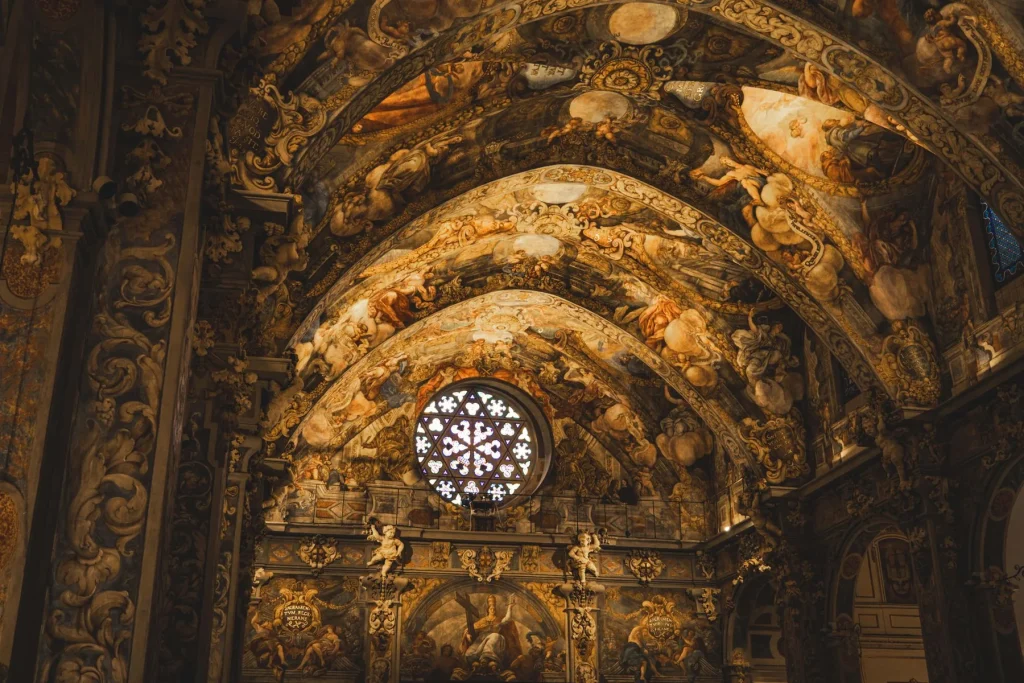
Discover the history and richness of Baroque-era voices, especially those of castrati and sopranos, who played a leading role in the music and opera of this fascinating period.
Castrati were male singers whose voices had not deepened because they had been castrated before puberty. Celebrated and adored in Baroque Europe, they inspired works by composers such as Monteverdi, Handel, and Rossini. Castrati sang not only sacred music but also on opera stages, where they enjoyed their greatest success. Their distinctive voices, both clear and powerful, have been compared to those of coloratura mezzo-sopranos. Castrati were musical stars for nearly 200 years, but their popularity declined in the eighteenth century as musical tastes changed and awareness grew of the cruelty of the practice. The last castrato of the Sistine Chapel performed until 1913. Today, roles written for castrati are performed by women, countertenors, or men who transpose their parts.
Castrati: distinctive voices
Castrati were male singers whose voices had not deepened because they had been castrated before puberty, giving them voices unlike any others. These exceptional artists were celebrated and adored in Baroque Europe, and they left an indelible mark on the history of classical music. Inspiring works by renowned composers such as Monteverdi, Handel, and Rossini, castrati sang not only sacred music but also on opera stages, where they enjoyed their greatest success.
Their voices, both clear and powerful, have been compared to those of coloratura mezzo-sopranos. Castrati had exceptional technical command and could reach extremely high notes while retaining great power and expressiveness. Their ability to sing agile runs, ornament melodic lines, and project their voices through large concert halls captivated Baroque audiences.
“Castrati were truly supernatural creatures, capable of unmatched vocal feats and of conveying an intense range of emotions to their audiences.” — Giovanni Battista Mancini, composer and music theorist.
Castrati remained popular for nearly two centuries, but in the eighteenth century their standing began to decline as musical tastes changed and awareness grew of the cruelty of the practice. Natural voices, particularly those of sopranos and countertenors, gained prominence, and castrati gradually disappeared from musical stages.
Today, roles written for castrati are performed by women, countertenors, or men who transpose their parts. Although castrati are gone, their legacy lives on in classical music, and their extraordinary voices remain part of how we remember the Baroque era.
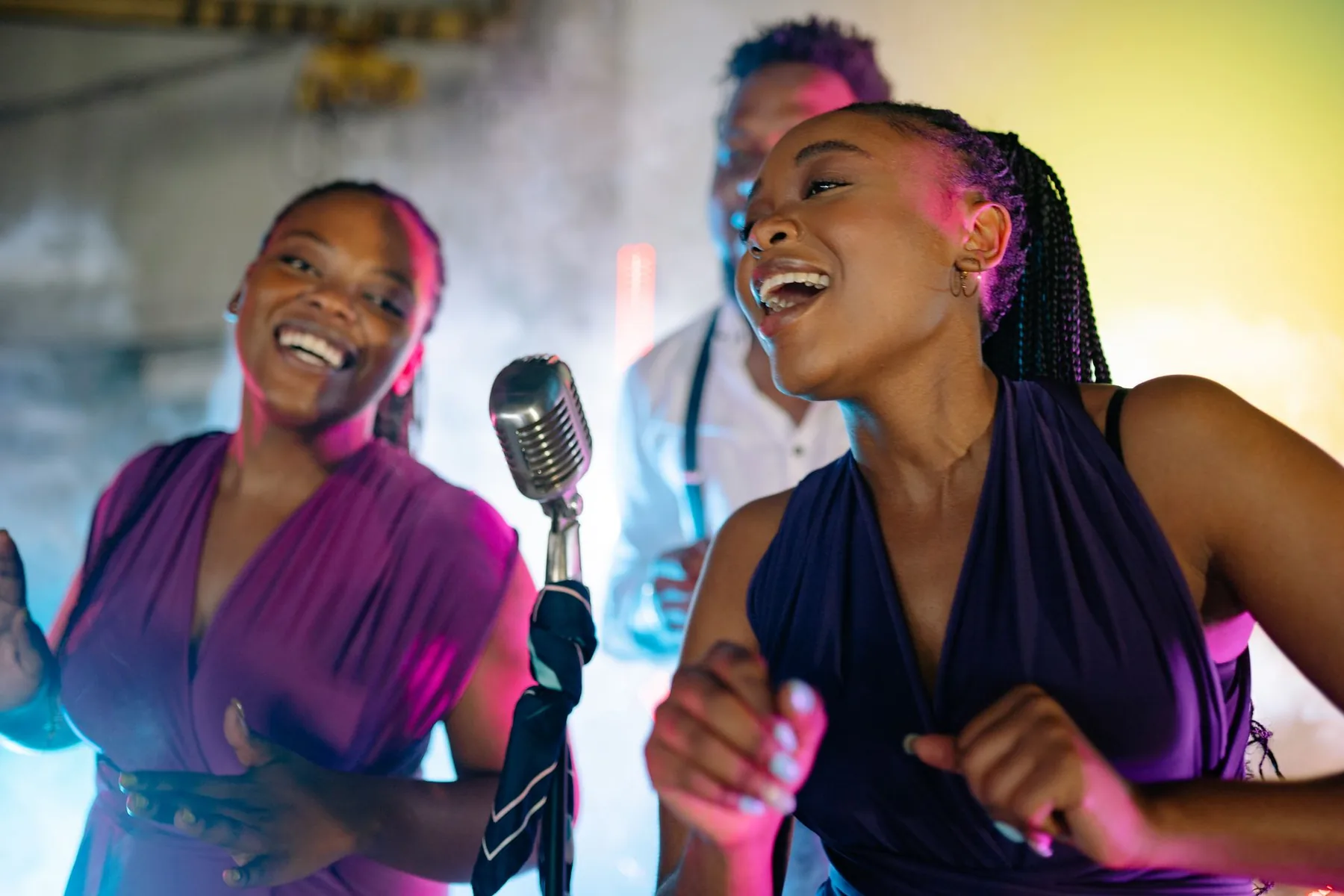
Sopranos were among the most celebrated female singers of the Baroque era, captivating audiences with their virtuosity and command of vocal technique. Their clear, powerful voices could convey the deepest emotions and bring the characters of the period’s operas and musical compositions to life.
Several famous sopranos of the Baroque era left an indelible mark on the history of classical music. They include Francesca Cuzzoni, Faustina Bordoni, and Anna Maria Strada. Their exceptional vocal performances won the admiration of audiences and the praise of contemporary composers.
“A soprano’s voice is like a beam of light passing through a dark room, illuminating every corner and captivating everyone who hears it.” — Anonymous composer
These exceptional sopranos often appeared as soloists in operas, performing strong, expressive roles that showcased their vocal agility and range. Their ability to reach high notes with ease and ornament melodic lines with trills and intricate runs was remarkable.
| Name | Years active | Contributions |
|---|---|---|
| Francesca Cuzzoni | 1700-1750 | Created roles in Handel’s operas |
| Faustina Bordoni | 1710-1781 | Performed numerous works by Baroque composers |
| Anna Maria Strada | 1675-1742 | Frequent collaborator of Monteverdi and many other Baroque composers |
Baroque sopranos left a valuable legacy in classical music. Their command of vocal technique and contributions to Baroque music continue to influence modern performances and inspire singers today. Their voices, both powerful and delicate, remind us of the splendor and richness of this exceptional musical era.
Baroque opera and the voices of castrati
Baroque opera gave castrati a setting in which to flourish. They played key roles in Italian operas and were acclaimed for their exceptional vocal performances. Castrati were male singers whose voices had not deepened because they had been castrated before puberty. Their distinctive voices, both clear and powerful, have been compared to those of coloratura mezzo-sopranos.
These exceptional singers performed not only sacred music but also on opera stages, where they enjoyed their greatest success. Their extraordinary voices enabled them to bring complex characters to life and give captivating, moving performances. Composers such as Monteverdi, Handel, and Rossini created roles specifically for castrati, showcasing their vocal agility and ability to express a wide range of emotions.
Today, roles written for castrati are performed by women, countertenors, or men who transpose their parts. Although the era of the castrati has passed, their legacy endures in classical music. Their exceptional vocal performances left an indelible mark on the history of Baroque opera and continue to influence performers today. They testify to the power and beauty of the human voice, as well as the boldness and creativity of Baroque composers.
| Role | Composer |
|---|---|
| Orfeo | Claudio Monteverdi |
| Julius Caesar | Georg Friedrich Handel |
| Tancredi | Gioachino Rossini |
Castrati were musical stars for nearly 200 years, but their popularity declined in the eighteenth century as musical tastes changed and awareness grew of the cruelty of the practice. The last castrato of the Sistine Chapel performed until 1913. Nevertheless, their contribution to Baroque opera remains invaluable, and many classical music lovers regret their absence from the stage.
In conclusion, the voices of castrati played a leading role in Baroque opera, bringing a distinctive, captivating dimension to the music of the period. Their legacy endures and continues to inspire performers and composers today. Baroque opera has an important place in music history, and the voices of castrati are an essential and fascinating part of it.
The legacy of Baroque-era voices
The voices of the Baroque era, particularly those of castrati and sopranos, left a lasting legacy in classical music and opera and continue to influence music today. Castrati were male singers whose voices had not deepened because they had been castrated before puberty. Their exceptional talent and distinctive voices shaped the Baroque era, inspiring composers such as Monteverdi, Handel, and Rossini. Castrati were famous and adored in both sacred music and opera, where they enjoyed their greatest success.
Sopranos, meanwhile, were among the most prominent female singers of the Baroque era. Their high range and ability to reach high notes made them indispensable performers in the classical music of the period. Famous sopranos such as Francesca Cuzzoni and Faustina Bordoni left an indelible mark on the history of Baroque music. Their vocal virtuosity and stage presence inspired many composers and contributed to the development of Baroque opera.
The legacy of Baroque-era voices still resonates today. Their celebrated vocal performances have influenced later music, especially opera. Roles once reserved for castrati are now performed by women, countertenors, or men who transpose their parts. The vocal feats of Baroque sopranos also continue to be admired and studied by singers and musicians seeking to recapture the grace and expressiveness of these exceptional voices.
| Famous castrati | Famous sopranos |
|---|---|
| Giovanni Carestini | Francesca Cuzzoni |
| Gaetano Majorano | Faustina Bordoni |
| Farinelli | Catarina Gabrielli |
| Senesino | Anna Maria Strada |
The legacy of Baroque voices, both those of castrati and those of sopranos, reflects the richness and diversity of classical music. Their influence endures and continues to inspire composers and performers today. Through the vocal virtuosity of castrati and the crystalline clarity of sopranos alike, these Baroque voices shaped music history and deserve to be celebrated.
The end of the castrati and changing musical tastes
Despite their popularity for nearly 200 years, the practice of castrating singers eventually declined in the eighteenth century as musical tastes changed and awareness grew of its cruelty.
Castrati, with their distinctive voices, had previously been adored and celebrated on opera stages and in sacred music. Their ability to reach high notes and project their voices with remarkable power made them extraordinary performers. As Europe entered the Age of Enlightenment, however, more and more people spoke out against the castration of young boys to preserve their soprano voices. The practice was considered inhumane and cruel, and growing opposition eventually led to its prohibition.
As musical tastes changed, audiences began to prefer more naturalistic sounds, reducing the popularity of castrati. Composers adapted their works for higher male voices, such as countertenors, or for female voices, such as sopranos. Castrati, once regarded as unrivaled stars, became a thing of the past.
Today, the legacy of the castrati still resonates in classical music, but the practice of castration has been abandoned. Roles written for castrati are often performed by countertenors, women, or men who transpose their parts to suit their vocal range. This makes it possible to recreate some of the magic and emotion that castrati once brought to Baroque music.

| Famous castrati | Nationality | Period |
|---|---|---|
| Farinelli | Italian | 18th century |
| Senesino | Italian | 18th century |
| Gaetano Majorano | Italian | 17th century |
The castration of singers may be regarded as a historical curiosity, but it has also prompted extensive debate about gender identity and artistic norms. As society changed, the voices of castrati fell silent, yet their legacy continues to fascinate us and raise questions. Changing musical tastes thus marked the end of the practice and opened the way for new forms of musical expression.
Conclusion
In conclusion, the voices of the Baroque era, whether those of castrati or sopranos, continue to captivate listeners today and demonstrate the richness and diversity of Baroque music. Castrati, male singers whose voices had not deepened because they had been castrated before puberty, were undisputed stars in Baroque Europe. Their distinctive, clear, and powerful voices inspired renowned composers such as Monteverdi, Handel, and Rossini and resounded on opera stages. Castrati enjoyed their greatest success for nearly two centuries, but their popularity declined in the eighteenth century as musical tastes changed and awareness grew of the cruelty of the practice. Their legacy endures, however, and roles written for castrati are now performed by women, countertenors, or men who transpose their parts.
Sopranos, meanwhile, were among the most prominent female singers of the Baroque era. Their talent and virtuosity were highly prized, and they left an indelible mark on the history of classical music and opera. The famous sopranos of the Baroque era captivated audiences with their powerful, expressive voices in leading roles in major works. These voices are still admired today, and modern sopranos carry on the tradition.
In short, the voices of the Baroque era, male and female alike, shaped music history and continue to influence compositions and performances today. They offer valuable testimony to the creativity and artistic diversity of the period. The distinctive voices of castrati and the vocal feats of sopranos continue to fascinate and move us, attesting to the enduring appeal of Baroque music.
FAQ
What was a castrato?
A castrato was a male singer whose voice had not deepened because he had been castrated before puberty.
How popular were castrati in the Baroque era?
Castrati were celebrated and adored in Baroque Europe, both in sacred music and on opera stages.
What did the voices of castrati sound like?
The voices of castrati were distinctive, both clear and powerful, and could be compared to those of coloratura mezzo-sopranos.
When did the popularity of castrati decline?
The popularity of castrati declined in the eighteenth century as musical tastes changed and awareness grew of the cruelty of castration.
Who performs roles written for castrati today?
Roles written for castrati are now performed by women, countertenors, or men who transpose their parts.