
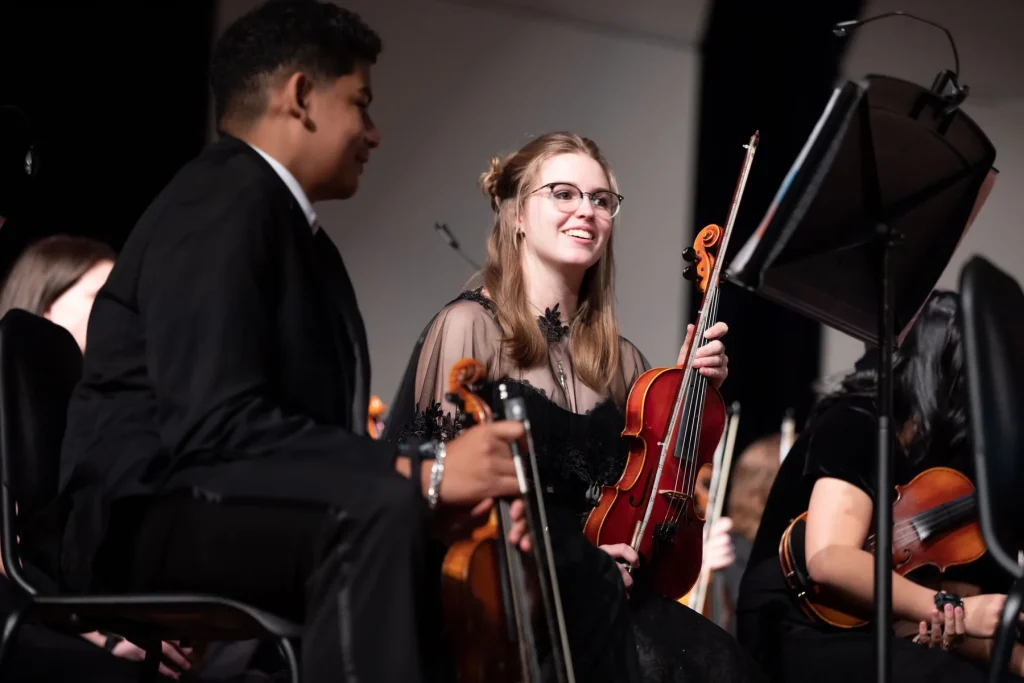
The transition from Baroque to Classical was marked by major changes in artistic styles and aesthetic sensibilities. This fascinating period in art history brought a notable evolution in techniques and forms of artistic expression.
During this transition, many innovations emerged in painting, architecture, sculpture, and music. Artists moved away from the exuberant ornamentation and dramatic effects of the Baroque toward the cleaner, more balanced aesthetic characteristic of the Classical style.
This image illustrates some examples of the stylistic changes and artistic developments that occurred during the transition from Baroque to Classical:
French Baroque art underwent a fascinating evolution during this period. Artists such as Jean-Baptiste-Siméon Chardin, Jean-Antoine Watteau, and Jean-Baptiste Greuze brought new ideas and innovative techniques to French art. Distinctive features of French Baroque art include the use of light and shadow to create a dramatic atmosphere, as well as close attention to detail and emotion.
However, the transition from Baroque to Classical was not without controversy. Some influential critics called the Baroque a “German import” and preferred Classicism, which they saw as a return to the aesthetic values of antiquity. This opposition between Baroque and Classical styles fueled many debates and shaped perceptions of art during the period.
In conclusion, the transition from Baroque to Classical was a period of major stylistic changes and artistic developments. Artists explored new techniques and adopted a cleaner, more balanced aesthetic. Yet the transition also prompted criticism and debate, reflecting the different aesthetic views of the time.
French Baroque: Characteristics and Development
French Baroque art is distinguished by extravagant ornamentation, dramatic forms, and a pursuit of visual grandeur. It features an abundance of decorative elements, such as scrolls, arabesques, and floral motifs, used to create visually dazzling compositions. French Baroque artists were also influenced by the Catholic Counter-Reformation, as reflected in their choice of religious subjects and their desire to express emotion.
An emblematic example of French Baroque art is the Palace of Versailles, built during the reign of Louis XIV. This sumptuous palace is a masterpiece of Baroque architecture, with its ornate façades, elaborate gardens, and richly decorated interiors. French opera also developed considerably during this period, with composers such as Jean-Baptiste Lully and Jean-Philippe Rameau.
French Baroque art is characterized by its exuberance and attention to detail. The style seeks to impress and astonish viewers through visual effects and elaborate decorative elements.
The French Baroque period also saw stylistic changes. Over the course of the seventeenth century, the Baroque style developed toward cleaner, more balanced forms, anticipating the Classicism that would follow. This transition can be seen in works such as the paintings of Nicolas Poussin, which incorporate Classical elements while retaining certain Baroque characteristics.
| Characteristics of French Baroque art | Developments toward Classicism |
|---|---|
| Extravagant ornamentation | Cleaner, more balanced forms |
| Dramatic forms | Use of Classical elements |
| Pursuit of visual grandeur | Retention of certain Baroque characteristics |
In conclusion, French Baroque art is distinguished by its exuberance and attention to detail. It shaped the architecture, painting, and music of the period, producing spectacular achievements such as the Palace of Versailles. Over time, the French Baroque style developed toward more balanced forms, anticipating the Classicism that would succeed it. Nevertheless, the distinctive features of French Baroque art continue to fascinate and influence the art world today.
The Baroque worldview is characterized by an aesthetic of excess, deviation, and the dissolution of established aesthetic forms, which prompted criticism and debate. Baroque characteristics such as excessive ornamentation, dynamic movement, and dramatic contrasts were seen as a break from the more balanced and rational conventions of the Renaissance.
Critics of the Baroque often emphasized what they considered its decadent and exaggerated character. Some intellectuals of the period, who preferred Classicism, called the Baroque style a “German import” and criticized its lack of restraint and order. They argued that art should be based on the imitation of nature and the pursuit of harmony rather than extravagance and distortion.
With hindsight, however, the Baroque aesthetic has been reassessed and recognized for its major artistic contribution. The German writer and philosopher Walter Benjamin described the Baroque as a style that “affirms the autonomous character of art.” He emphasized that the Baroque could be seen as an attempt to capture the complexity and ambiguity of human experience by reflecting the tension between the material and spiritual worlds.
Example quotation:
Baroque is the art of balancing extremes, where movement and stability coexist in perfect harmony.
In conclusion, the Baroque worldview prompted criticism and debate because of its aesthetic of excess and deviation. Yet the Baroque aesthetic has also been recognized for its distinctive artistic contribution. National differences and individual developments must be considered when analyzing this artistic period. The image below illustrates a famous Baroque painting, Rembrandt’s “The Anatomy Lesson of Dr. Nicolaes Tulp.”
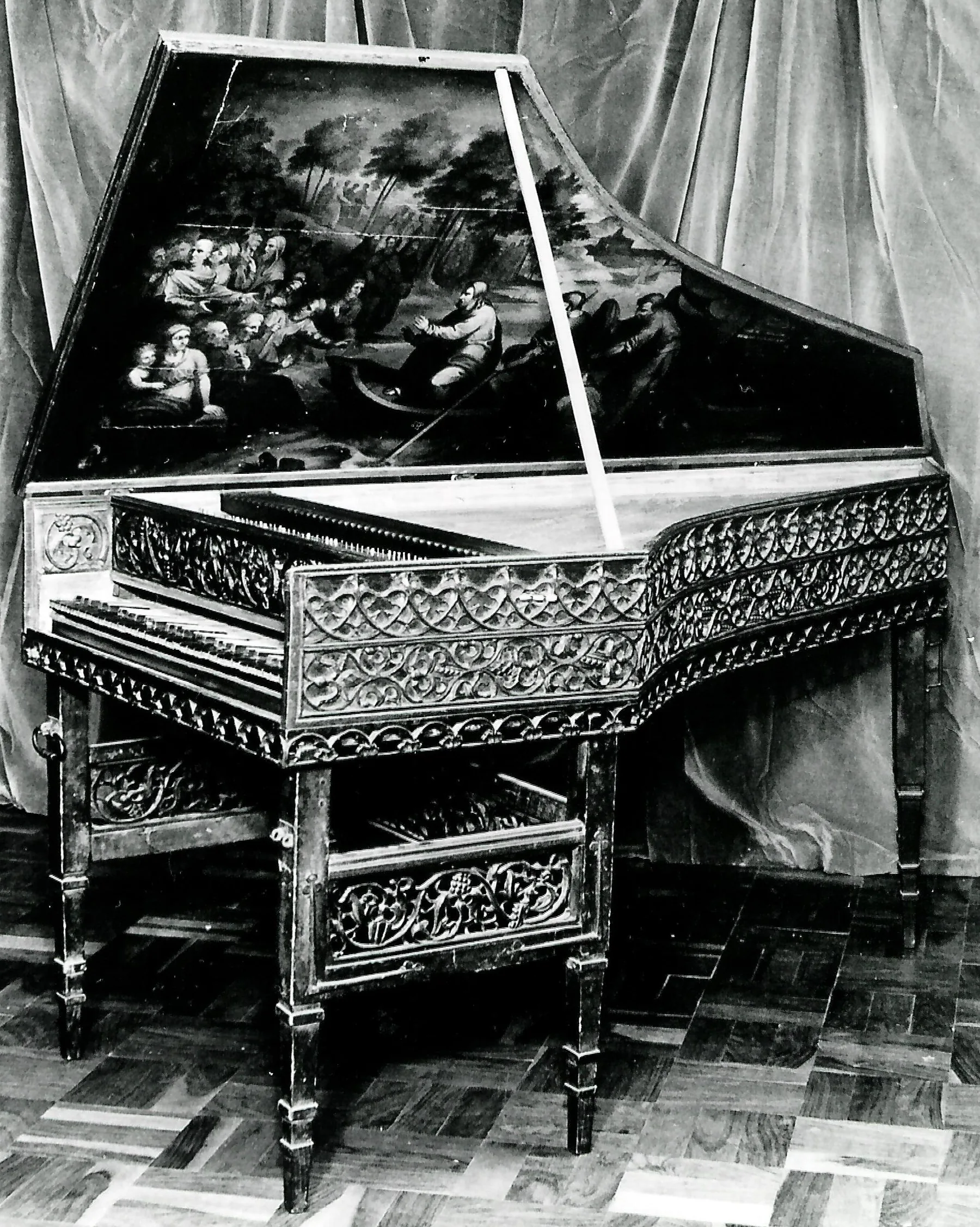
Classicism, as an artistic movement, opposed the excesses of the Baroque and advocated a return to order, restraint, and balance. Classical artists rejected Baroque forms they considered too extravagant and sought a more restrained, rational style. They drew inspiration from the principles of ancient Greece and Rome and sought harmonious proportions and narrative clarity.
Classicism is characterized by a concern for symmetry, simplicity, and rationality. Classical artists sought to represent an ideal, universal beauty, moving away from the intense emotions and dramatic effects of the Baroque. They favored noble and moral subjects, emphasizing virtue, reason, and order.
Classicism influenced many artistic fields, including painting, architecture, and literature. Classical painters such as Nicolas Poussin and Claude Lorrain created serene landscapes and orderly mythological scenes. Classical designers and architects such as André Le Nôtre and Jules Hardouin-Mansart designed symmetrical, balanced spaces, including the gardens of Versailles and the Palace of Versailles itself. Classical writers such as Jean Racine and Molière created theatrical works grounded in reason and morality.
Classicism marked the end of the Baroque era and paved the way for new artistic movements such as Rococo and Neoclassicism. It left a lasting legacy in art history, showing how changes in artistic styles often reflect a society’s values and concerns.
Summary of the differences between Baroque and Classical styles
| Baroque | Classical |
|---|---|
| Extravagance | Restraint |
| Emotion | Reason |
| Drama | Clarity |
| Complexity | Simplicity |
| Ornamentation | Balance |
The Connection Between Baroque and Rococo
Rococo, which dominated eighteenth-century aesthetics, is closely related to the Baroque: it retains some of its characteristics while softening and embellishing them. Rococo is often seen as a development of the Baroque, with more delicate decorative elements and a lighter aesthetic.
Rococo artists used floral motifs, graceful curves, and pastel colors to create works of great beauty and elegance. Rococo paintings often depicted pastoral scenes, portraits of the nobility, or luxurious interiors, highlighting the aristocratic life of the period.
Rococo sculpture was also characterized by organic, flowing forms that evoked grace and delicacy. Rococo furniture and decorative objects were adorned with floral motifs, shells, and scrolls, creating an opulent yet refined atmosphere.
| Characteristics of Rococo | Examples of Rococo works |
|---|---|
|
|
In conclusion, Rococo inherited influences from the Baroque while developing its own aesthetic. Rococo characteristics, such as delicate ornamentation and curved forms, made it a distinctive artistic style that dominated eighteenth-century aesthetics.
Conclusion
The transition from Baroque to Classical was marked by major stylistic changes and artistic developments, with national differences and individual paths that must be considered when analyzing the period. The concept of the Baroque, used to describe a sensibility and a worldview, sparked debate and raised questions about how the period should be defined. Some influential critics preferred Classicism and disparaged the Baroque as a “German import.” Over time, however, views of the Baroque aesthetic shifted from a negative association with decadence toward a more nuanced appreciation of its departure from established aesthetic forms.
Ideas of decadence and deviation are often associated with the Baroque, leading to a contrast between Renaissance and Baroque styles. Baroque sensibility also extended to music, where the period is commonly considered to last until the middle of the eighteenth century. Thus, the Baroque continued beyond the seventeenth century, particularly in opera.
The connection between Baroque and Rococo is also significant. Rococo succeeded the Baroque and dominated aesthetics from the end of Louis XIV’s reign to the middle of the eighteenth century. This connection illustrates both continuity and change in artistic movements.
Analyzing the transition from Baroque to Classical requires attention to the national differences and individual developments that shaped this complex artistic period. Baroque sensibility left a lasting mark on art history, reflecting the richness and diversity of artistic styles and movements.
FAQ
What stylistic and artistic changes occurred during the transition from Baroque to Classical?
During the transition from Baroque to Classical, forms became simpler, artists pursued balance and harmony, and the excessive ornamentation of the Baroque style was abandoned.
What are the characteristics of French Baroque art, and how did it develop?
French Baroque art is characterized by elegance, grandeur, and a pursuit of balance. Over time, it developed toward a more Classical aesthetic marked by restraint and symmetry.
What was the Baroque worldview, and what criticism did it attract?
The Baroque worldview was marked by a fascination with movement, contrast, and excess. It was nevertheless criticized for its exuberance and perceived tendency toward decadence.
How did Baroque and Classicism differ, and why were the two styles opposed?
Baroque art is characterized by exuberance and a taste for ornamentation, while Classicism favors simplicity and harmony. Their opposition reflected aesthetic preferences and the views of influential critics who favored Classicism over the Baroque.
What is the connection between Baroque and Rococo?
Rococo succeeded the Baroque and developed from certain Baroque characteristics. It has a lighter, more delicate, and more ornate aesthetic while retaining some elements of the Baroque style.