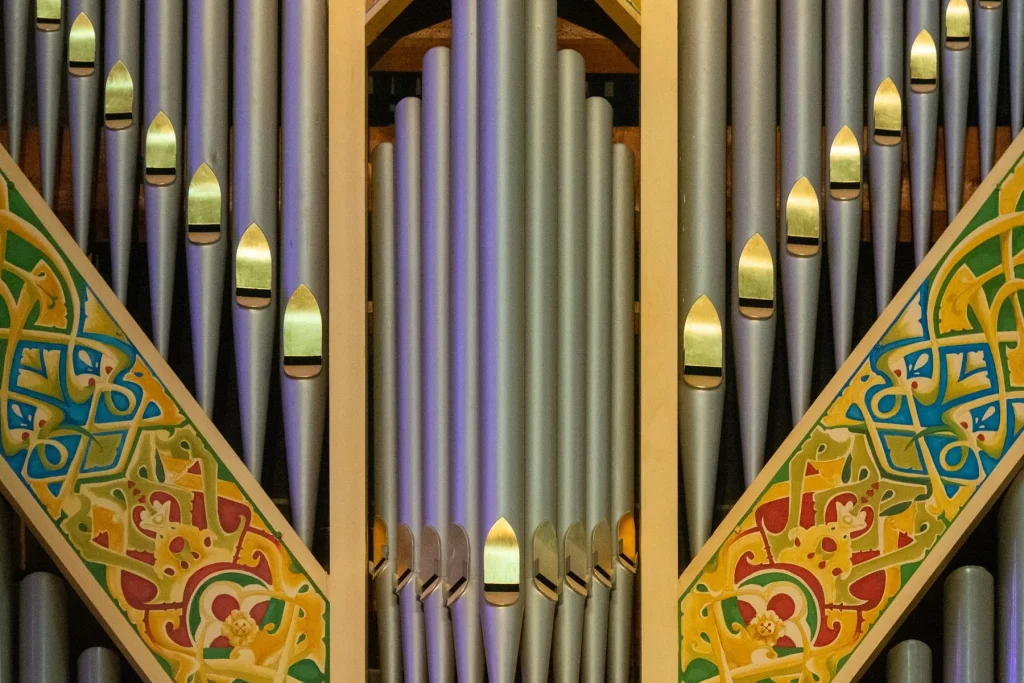
Baroque music was profoundly influenced by religion, particularly in the Catholic world. Musical compositions of the period were often imbued with spirituality and devotion, expressing the religious beliefs and values of the time. Baroque religious music, also known as sacred music, included various forms, such as religious hymns, oratorios, and liturgical compositions.
Religious hymns were sung during worship services and played an essential role in the practice of faith. Often written in Latin, they addressed religious themes such as praise, worship, and repentance. Oratorios were choral and orchestral compositions inspired by biblical stories or religious texts. One of the most famous oratorios of the period is Handel’s Messiah, which tells the story of Christ.
Liturgical music was composed specifically for religious ceremonies and services. It included hymns, prayers, and responsorial chants that accompanied rituals and key moments of the Mass. Spiritual music was more contemplative and introspective; it sought to uplift the soul and encourage meditation.
Baroque religious composition was also influenced by the different Christian denominations of the period. Lutheran music, for example, was associated with the Protestant Church and emphasized biblical texts and the teachings of Martin Luther. Catholic music, by contrast, was more ornate and theatrical; it sought to evoke an intense spiritual experience through music and song.
Changes in Religious Practices
The Reformation and Counter-Reformation brought significant changes to religious practices and had a major influence on Baroque music. The Reformation, initiated by Martin Luther in the 16th century, challenged the traditions and practices of the Roman Catholic Church, leading to the creation of new churches and new forms of worship. These changes also influenced the sacred music of the period.
Catholic religious music evolved in response to the Reformation, as part of the Counter-Reformation undertaken by the Catholic Church to counter Protestant influence. Alongside the traditional liturgy, new forms of sacred music were developed to strengthen devotion and encourage the faithful to engage more deeply. This led to the emergence of new musical genres, such as the oratorio, used to tell biblical stories and move worshippers in a more theatrical way.
Secular music was also influenced by these religious changes. While sacred music was performed mainly during religious ceremonies, secular music developed for nonreligious occasions, such as court entertainment and theatrical performances. Even in secular music, however, religion remained an influence through moral and allegorical themes and the use of musical techniques inspired by sacred music.
| Types of music | Religious changes |
|---|---|
| Sacred music | Development of new musical genres such as the oratorio |
| Secular music | Influence of moral and allegorical themes inspired by sacred music |
The Reformation and Counter-Reformation
The Reformation and the Counter-Reformation had a considerable impact on music in the Baroque period. The Reformation led to the creation of new churches and religious practices, while the Counter-Reformation sought to strengthen the Roman Catholic Church in the face of growing Protestantism. These changes influenced sacred and secular music, giving rise to new musical genres and forms of artistic expression.
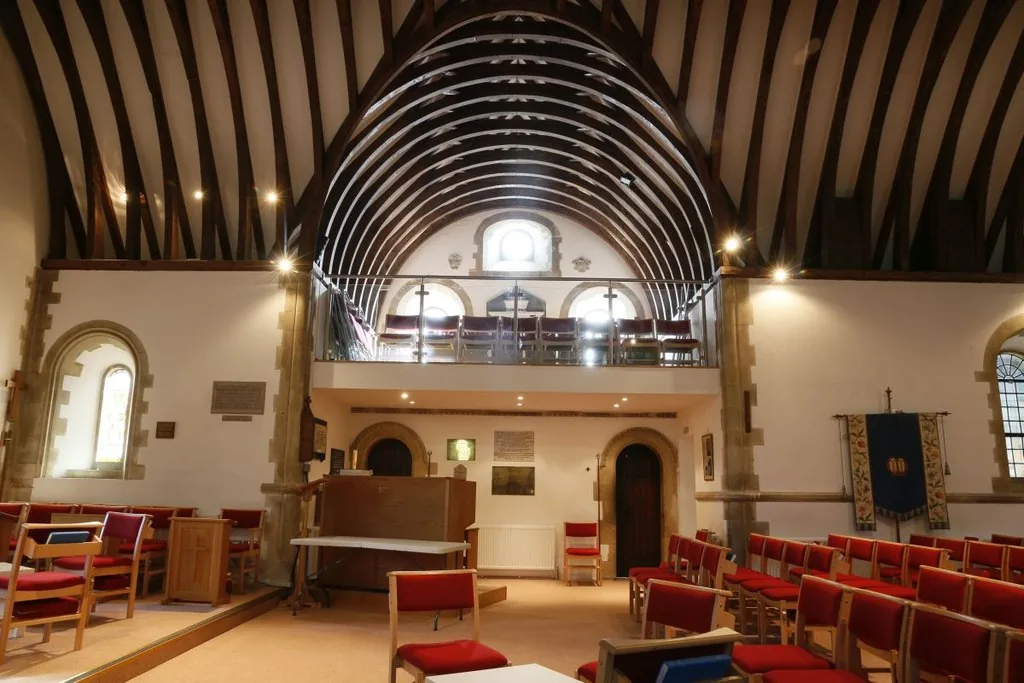
“The Reformation and Counter-Reformation brought profound transformations to Baroque music, reflecting the tension between old and new, tradition and innovation. These changes shaped the musical landscape of the period and left an enduring legacy in Baroque music.”
Religious practices have long been an important driver of musical innovation. Changes in religious practices during the Baroque period opened up new possibilities for composers and musicians, encouraging them to experiment and develop new forms of sacred and secular music.
In conclusion, changes in religious practices during the Baroque period significantly influenced its music. The Reformation and Counter-Reformation stimulated musical innovation and gave rise to new genres such as the oratorio. Sacred and secular music alike were shaped by moral and allegorical themes reflecting the religious values of the time. These changes made Baroque music a distinctive blend of spirituality, emotion, and artistic creativity.
The Evolution of Catholic Religious Music
Catholic religious music evolved alongside secular music and used the theatrical expression of emotion to uplift souls. During the Baroque period, the Catholic Church sought to make religious celebrations more engaging by introducing dramatic elements into liturgical music. The aim was to move worshippers emotionally and bring them closer to a spiritual experience.
The Italian oratorio was one of the period’s most influential forms of Catholic religious music. It grew out of religious and musical gatherings organized by Saint Philip Neri in Rome. These gatherings were intended to attract the faithful and make spiritual exercises less austere. The oratorio combined narrative elements drawn from the Bible or allegory with solo passages and choruses, creating a rich and moving musical experience.
A notable example of an oratorio is Handel’s Messiah, which became one of the most famous works of Baroque religious music. This spectacular composition skillfully combined biblical texts with choruses and solo arias, creating a powerful and inspiring musical experience.
| Composer | Work |
|---|---|
| Monteverdi | Vespers of the Blessed Virgin |
| Carissimi | Jephte |
In summary, Catholic religious music played an essential role in the development of Baroque music. Its evolution alongside secular music and its use of the theatrical expression of emotion helped uplift the souls of worshippers and create profoundly moving compositions.
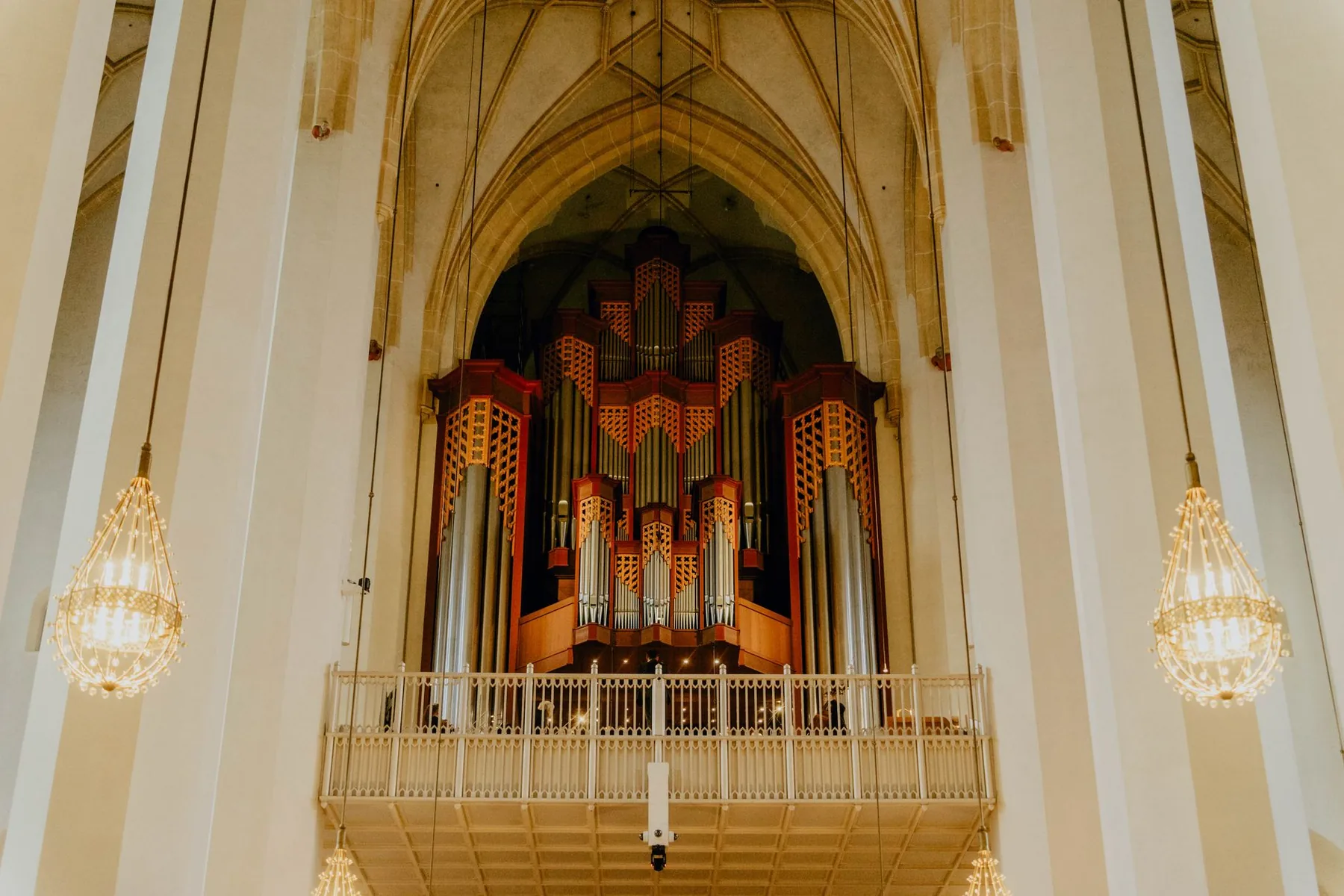
“Music is the language of the soul; it touches hearts and lifts the spirit toward transcendence. Baroque music, especially Catholic religious music, bears witness to the greatness of faith and the beauty of art.”
The Oratorio and Its Religious Origins
The Italian oratorio grew out of religious and musical gatherings organized by Saint Philip Neri to attract the faithful and make spiritual exercises less austere. This distinctive musical form was influenced by the sacred and spiritual music of the Baroque period and played an important role in the development of religious music.
The oratorio combines narrative elements drawn from the Bible or allegory with solo passages and choruses, creating a powerful blend of music and drama. This combination captivated the faithful and allowed them to engage with the biblical stories told in performances. Musicians, meanwhile, used music to move audiences and touch their souls, allowing them to have a deeper spiritual experience.
Renowned composers such as Monteverdi and Carissimi contributed greatly to the development of the Italian oratorio. Monteverdi, considered one of the fathers of opera, brought his compositional skill to the form, adding dramatic and expressive elements. Carissimi refined the structure of the oratorio by incorporating recitatives, arias, and choruses, helping it develop into a more accomplished and engaging form.
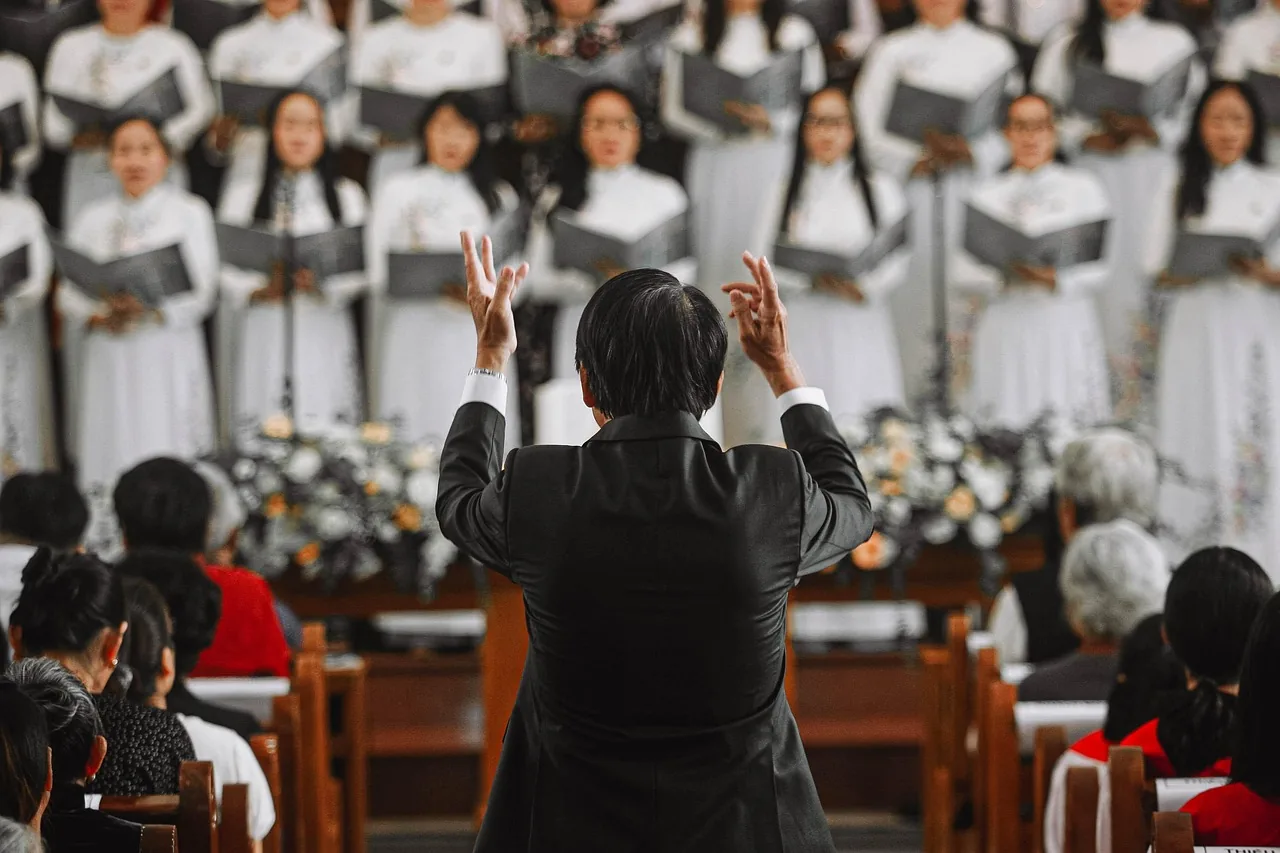
In conclusion, the Italian oratorio emerged from a harmonious blend of sacred, spiritual, and theatrical music. It grew out of religious gatherings organized by Saint Philip Neri and was influenced by composers such as Monteverdi and Carissimi. This distinctive musical form made spiritual exercises more accessible to the faithful by immersing them in compelling biblical stories while offering an unforgettable musical and theatrical experience.
The Latin and Vernacular Oratorio
The Latin oratorio focused mainly on the Old Testament and used biblical texts, while the vernacular oratorio was more widespread and developed outside Rome, particularly in Florence, Bologna, and Vienna.
The Latin oratorio, often associated with Catholic churches, centered on Old Testament stories drawn from biblical texts. These compositions were often performed during religious services to convey spiritual messages to the faithful. The Latin oratorio’s main aim was to uplift souls and stir deep emotions in listeners, inviting them to reflect on sacred biblical stories.
By contrast, the vernacular oratorio, more common outside Rome, had a broader scope and addressed a range of subjects, both biblical and secular. These oratorios were often performed in concert halls and followed a narrative structure similar to that of the Latin oratorio, with solo passages and choruses. The vernacular oratorio was less closely tied to a specific religious setting and was often influenced by secular themes and historical narratives.
The development of the vernacular oratorio in cities such as Florence, Bologna, and Vienna allowed the form to flourish beyond traditional religious music. These cities were important cultural and musical centers during the Baroque period, encouraging artistic innovation and experimentation. Composers could explore new subjects and create works accessible to a wider audience.
The popularity of the vernacular oratorio varied by region. In Florence, for example, it was often associated with musical academies and characterized by expressive, dramatic compositions. Bologna had a flourishing tradition of vernacular oratorios to which composers such as Giacomo Carissimi and Antonio Vivaldi contributed.
Vienna, Austria, also played an important role in the development of the vernacular oratorio. The city was a major musical center during the Baroque period, home to eminent composers such as Johann Joseph Fux and Antonio Caldara. Vernacular oratorios created in Vienna were often inspired by opera and enjoyed by both the nobility and the middle classes.
In conclusion, the Latin oratorio focused mainly on the Old Testament and used biblical texts, while the vernacular oratorio was more widespread and developed outside Rome, particularly in Florence, Bologna, and Vienna. Both forms played an essential role in Baroque music, expanding the possibilities of religious music and exploring sacred as well as secular subjects.
| Latin oratorio | Vernacular oratorio |
|---|---|
| Focus on the Old Testament | Addresses varied subjects, including secular themes |
| Uses biblical texts | Geographical influence: Florence, Bologna, Vienna |
| Linked to specific religious settings | Freer from religious constraints |
The Influence of Religion on the German Motet
In Germany, the motet was also influenced by religion, adopting a monodic style and incorporating solo voices supported by basso continuo. In the context of the Protestant Reformation, Lutheran religious music grew in importance and played a central role in Lutheran worship. The German motet in particular was shaped by Johann Sebastian Bach and other composers of the period.
The German motet is characterized by its use of German biblical texts, often drawn from Scripture, and an elaborate polyphonic structure. Solo voices supported by basso continuo combine to create rich, expressive harmonies. Polyphonic choruses alternate with virtuosic solo passages, creating a compelling musical dynamic.
The German motet was generally performed during Lutheran services, where it served to proclaim the word of God and uplift the faithful. It was often incorporated into Bach’s Lutheran cantatas, masterpieces of Baroque religious music. Bach’s cantatas skillfully blend the motet, chorale, and other musical forms, combining individual expression with choral grandeur.
Example of a Lutheran Cantata by Johann Sebastian Bach:
“Ich hatte viel Bekümmernis,” BWV 21
This cantata vividly illustrates the influence of religion on the German motet. It combines expressive solo passages with polyphonic choruses and chorales, creating a profound and moving musical experience. The words of the central chorale, “Sei nun wieder zufrieden, meine Seele” (“Be at peace again, my soul”), reflect the cantata’s religious theme and invite the soul to find peace and comfort.
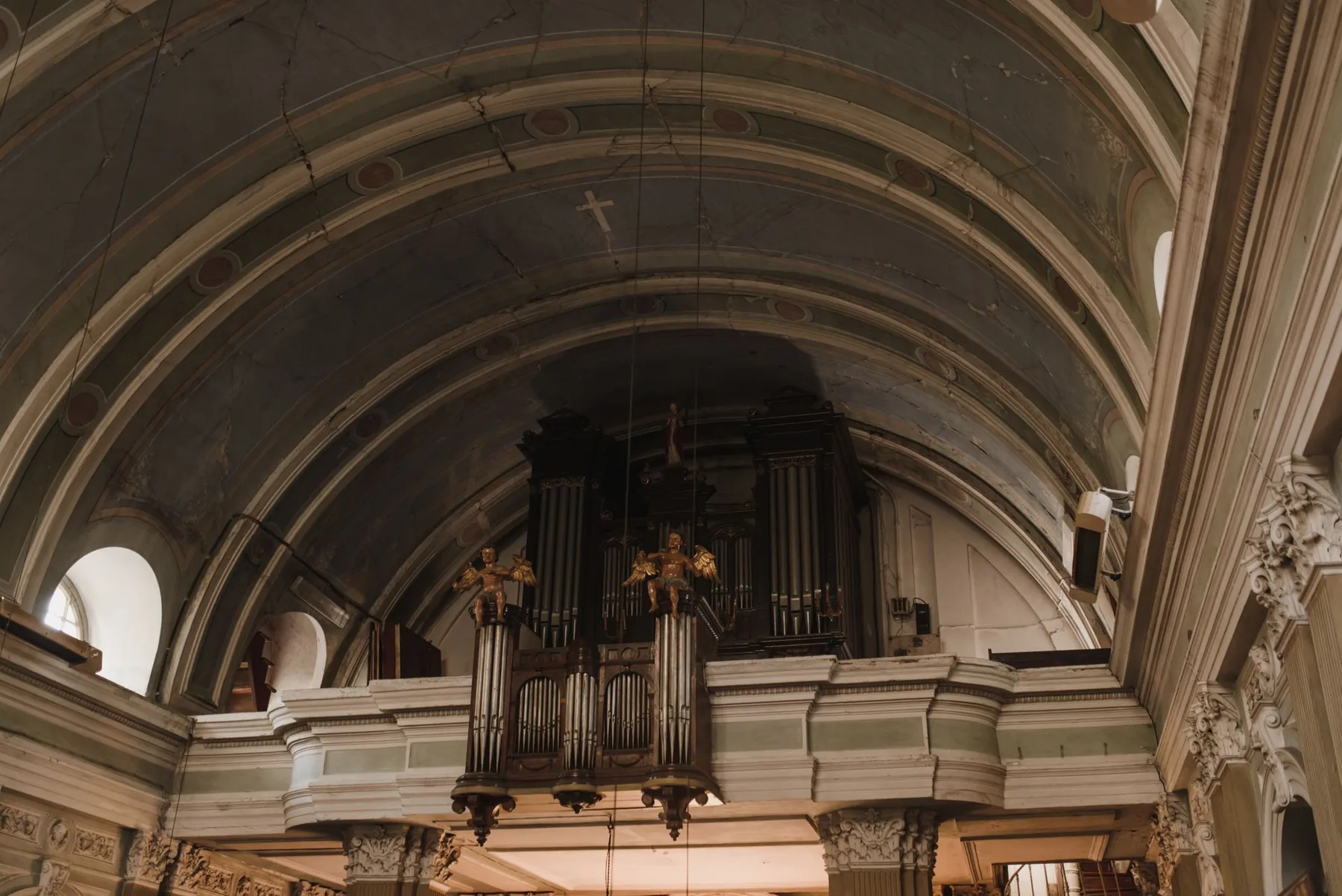
In summary, the German motet is a musical form influenced by religion. It adopts a monodic style and incorporates solo voices supported by basso continuo. Johann Sebastian Bach was one of the period’s most important composers; he created an extensive repertoire of Lutheran cantatas and choral works that left an indelible mark on the history of religious music.
Johann Sebastian Bach and Baroque Religious Music
Johann Sebastian Bach was a major figure in Baroque religious music thanks to his Lutheran cantatas and choral works. His contribution to religious music was immense, and his legacy endures today. Bach was deeply religious, and his faith permeated his music. He composed more than 200 cantatas, many written specifically for Lutheran services. These cantatas set texts inspired by the Bible and Martin Luther’s teachings to music and are often based on Lutheran chorales.
Bach’s cantatas are characterized by their musical complexity, emotional intensity, and profound spirituality. They combine soloists, choruses, and instruments to create rich, powerful music that reflects the teachings and doctrine of the Lutheran Church. Bach’s music transcends words and draws listeners into meditation and spiritual reflection.
In addition to his cantatas, Bach composed many choral works, including Passions, Masses, and oratorios. These works were designed for performance at important religious ceremonies and tell biblical stories with great emotional and dramatic intensity. Bach’s music, with its rich harmonies and complex structure, creates a profound spiritual experience of worship.
| Bach’s works | Description |
|---|---|
| Lutheran cantatas | Composed specifically for Lutheran services, these cantatas set biblical texts and Martin Luther’s teachings to music. |
| Passions | Choral works recounting the crucifixion of Jesus, based on the Gospel accounts. |
| Masses | Liturgical compositions for religious ceremonies, inspired by Catholic tradition. |
| Oratorios | Choral works based on biblical stories, often intended for performance during religious festivals. |
In conclusion, Johann Sebastian Bach left an indelible legacy in Baroque religious music through his Lutheran cantatas and choral works. His music expresses the depth of faith, the complexity of spirituality, and the beauty of worship. Bach’s cantatas are powerful expressions of his religious devotion and musical genius and continue to inspire and amaze listeners around the world.
In summary, religion played a major role in Baroque music, influencing its form, content, and style.
The Reformation and Counter-Reformation brought significant changes to religious practices, directly affecting the sacred music of the period. Catholic religious music in particular evolved alongside secular music, using the theatrical expression of emotion to uplift souls. The Italian oratorio illustrates this evolution: it grew out of religious and musical gatherings organized by Saint Philip Neri to make spiritual exercises more appealing to the faithful.
The oratorio combined narrative elements drawn from the Bible and allegory with solo passages and choruses, influenced by composers such as Monteverdi and Carissimi. Meanwhile, the Latin oratorio focused mainly on the Old Testament and used biblical texts, while the vernacular oratorio had a broader scope and developed in cities such as Florence, Bologna, and Vienna.
In Germany, religion also influenced the motet, which adopted a monodic style and incorporated solo voices supported by basso continuo. Johann Sebastian Bach was a major figure in Baroque religious music, known for his Lutheran cantatas and choral works that attest to his enduring legacy and influence.
FAQ
How did religion influence Baroque music?
Religion played a major role in Baroque music, influencing its form, content, and style.
How did religion influence Baroque sacred music?
Religion influenced Baroque sacred music, which used theatrical expressions of emotion to uplift souls.
Which changes in religious practices influenced Baroque music?
Changes in religious practices, such as the Reformation and Counter-Reformation, influenced Baroque music by reshaping sacred music and changing the relationship between religious and secular music.
What are the origins of the oratorio?
The Italian oratorio grew out of religious and musical gatherings organized by Saint Philip Neri to attract the faithful and make spiritual exercises less austere. Composers such as Monteverdi and Carissimi influenced this form.
What is the difference between the Latin and vernacular oratorio?
The Latin oratorio focused mainly on the Old Testament and used biblical texts, while the vernacular oratorio was more widespread and developed outside Rome, particularly in Florence, Bologna, and Vienna.
How did religion influence the German motet?
Under the influence of religion, the German motet adopted a monodic style and incorporated solo voices supported by basso continuo.
Who was Johann Sebastian Bach, and what was his role in Baroque religious music?
Johann Sebastian Bach was a major figure in Baroque religious music. He is known for his Lutheran cantatas and choral works.