
Johann Sebastian Bach, a leading figure in Baroque music, left his mark on music history. Born in Eisenach in 1685, he created many works. But his Toccata and Fugue in D minor is the best known.
This piece is a timeless masterpiece. It still inspires famous composers and a range of musical styles today.
Bach’s music shows his command of counterpoint and harmony. He lived through different historical settings and enriched the world’s musical heritage. To learn more about his life and works, see this link.
Introduction to Johann Sebastian Bach
Johann Sebastian Bach was born in Eisenach in 1685. He is an emblematic figure of Baroque music. His biography reveals a rich and varied career. He held several positions, including cantor in Leipzig, where he wrote major works.
Bach was a self-taught composer. He was influenced by the musical traditions of Germany, France, and Italy. His music combines rigor and emotion. His life and work contributed to the development of classical music. He explored different styles, particularly in his cantatas and his Art of Fugue.
Bach left an extensive musical legacy. His music continues to inspire new generations. His spiritually infused genius reflects his search for expression through Baroque music.
The historical context of Baroque music
The Baroque music period spans roughly 1600 to 1750. It was a key stage in the development of classical music. This era is marked by strong expressiveness and complex compositions.
Composers such as Vivaldi, Couperin, and Buxtehude were highly influential. They helped shape Bach’s music.
Music evolved alongside social, political, and religious changes. It incorporated elements of everyday life and significant events. Instrumental forms such as the concerto and the suite emerged, allowing composers to explore musical possibilities more deeply.
Johann Sebastian Bach’s compositions illustrate these changes. They combine tradition and innovation.
With its ornate style and complex structures, Baroque music allowed Bach to express his artistic mastery. His ability to bring together different influences while respecting the conventions of the Baroque era left a lasting mark on music history.
| Type of composition | Examples | Key composers |
|---|---|---|
| Cantatas | Magnificat, Cantata BWV 140 | Bach, Telemann |
| Concertos | Brandenburg Concerto No. 3 | Bach, Vivaldi |
| Orchestral music | Orchestral suites | Bach, Handel |
To explore Bach’s musical journey further, an excellent resource is available here.
Johann Sebastian Bach’s musical styles
Johann Sebastian Bach composed in a wide variety of musical styles. His works range from sacred to instrumental music. He used techniques such as counterpoint and fugue, reflecting the influence of Baroque music.
He wrote about 300 cantatas, of which 194 are still performed today. Some address secular themes, showing his range. His Goldberg Variations are known for their complexity and beauty.
His instrumental compositions are equally impressive. The Brandenburg Concertos and the Cello Suites are examples. Bach thus holds a distinctive place in Baroque music.
In short, Bach’s styles are varied and influential. They combine innovation and tradition. His works are still performed and enjoyed, a testament to their timeless value.
What is Johann Sebastian Bach’s most famous work?
The Toccata and Fugue in D minor is often considered Bach’s most famous work. This organ piece was composed between 1703 and 1707. It is known for its imposing structure and profound musical expressiveness.
The Toccata and Fugue in D minor
The Toccata and Fugue in D minor (BWV 565) is known for its dramatic power and virtuosity. The energetic toccata prepares the way for the complex fugue that forms the work’s second part.
The variety of themes and contrapuntal techniques demonstrate Bach’s genius. The organ’s registers and rich harmonies create a captivating atmosphere that delights music lovers.
Analysis of the musical structure
An analysis of the Toccata and Fugue in D minor reveals interesting features. The toccata, the work’s first part, presents varied themes. Its free form allows Bach to explore different textures of sound.
The transition to the fugue shows Bach’s command of Baroque musical forms. He skillfully combines themes, playing with variations and imitation. These elements reveal his exceptional technique and the emotion the work conveys.
Bach’s other masterpieces
Johann Sebastian Bach left his mark on classical music. His Toccata and Fugue is famous, but he also created other major works. Bach’s Cantatas and the Brandenburg Concertos demonstrate his unique talent.
Bach’s Cantatas
Bach’s Cantatas are associated with sacred music. They reflect his deep commitment. In around 200 cantatas, he used biblical texts to convey messages.
The cantatas are often performed by choirs and soloists, enriching the listening experience.
The Brandenburg Concertos
The Brandenburg Concertos transformed Baroque orchestration. Composed between 1711 and 1721, they feature complex dialogues between instruments. Each concerto is unique and demonstrates Bach’s mastery.
| Work | Type | Date of composition | Characteristics |
|---|---|---|---|
| Cantata BWV 106 | Cantata | 1707 | Rich melodies, texts suited to church services |
| Brandenburg Concerto No. 3 | Concerto | 1721 | Dialogue between instruments, dynamic structure |
| Brandenburg Concerto No. 5 | Concerto | 1721 | Prominent harpsichord, virtuoso soloists |
| Cantata BWV 147 | Cantata | 1723 | Famous for its chorus “Jesus bleibet meine Freude” |
Bach’s impact on classical music
Bach’s impact on classical music is immense. His approach to composition changed music history. Composers such as Mozart and Beethoven were influenced by him.
Research shows that Bach’s works have a profound effect. Listeners rarely guess Bach’s notes incorrectly. This reflects his influence on others.
Bach’s works can be regarded as information networks. The toccatas, for example, are full of emotion. The chorales are calmer.
The surprise listeners feel during transitions between notes is of interest. Studies suggest that Bach’s works have a unique structure. Further research is needed to confirm this, however.
Recent studies reveal similarities between Bach and modern guitarists. This opens the way for new analyses.
Laurence Dreyfus, a professor at the University of Oxford, emphasizes Bach’s importance. In his book “Bach and the Patterns of Invention,” he explores recurring patterns in Bach’s music. The book helps readers understand the composer more fully.
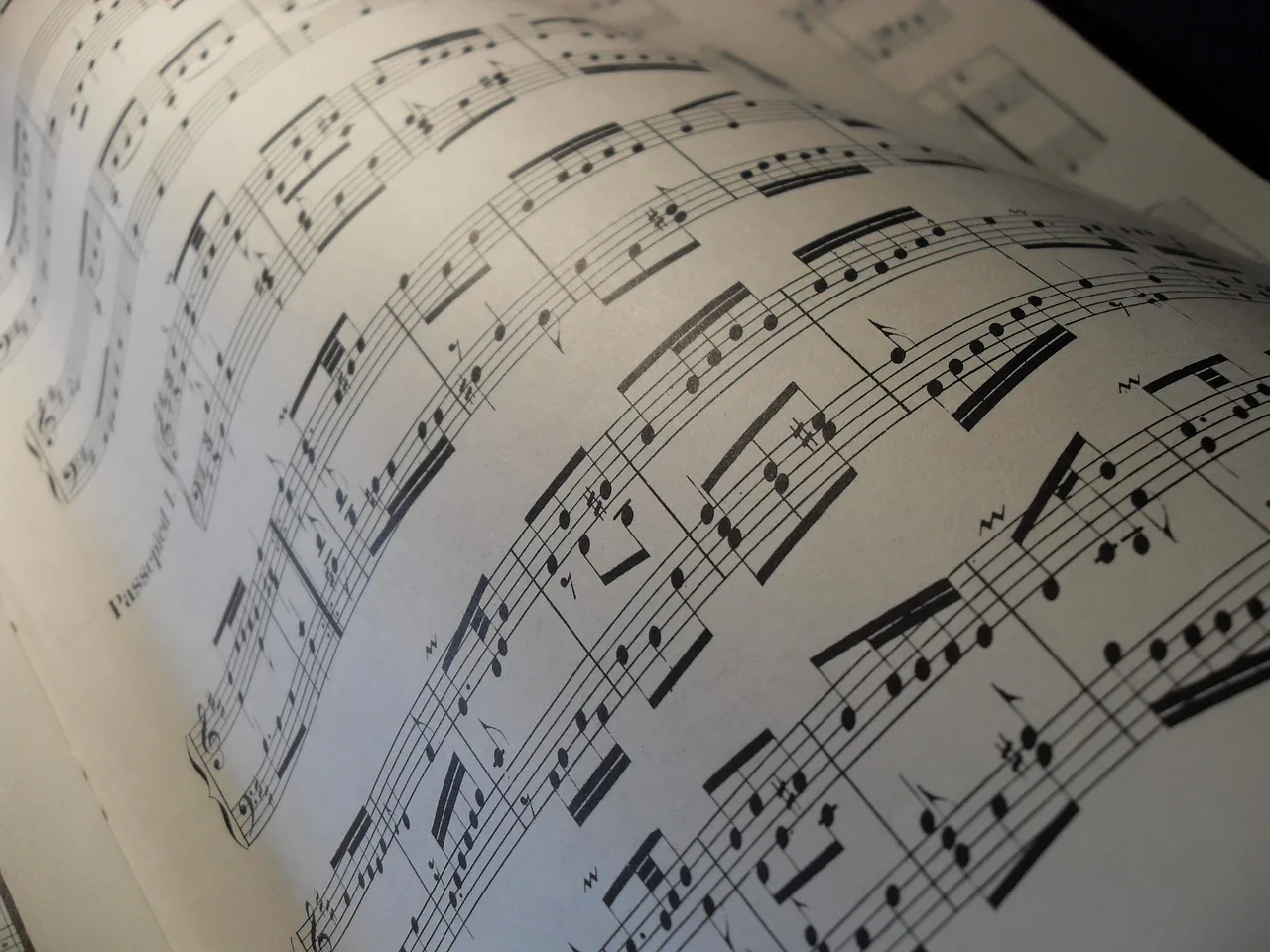
The St Matthew Passion is a prime example of Bach’s influence. Composed in 1729, it was rediscovered in the nineteenth century. This remarkable work demonstrates Bach’s creative power.
| Type of composition | Information density | Emotional impact | Reputation |
|---|---|---|---|
| Toccatas | High | Strong | Universal recognition |
| Chorales | Moderate | Soothing | Varied appreciation |
The rediscovery of Bach in the nineteenth century
The rediscovery of Bach in the nineteenth century was a turning point. Before then, few people knew his works. But composers such as Felix Mendelssohn changed that. Mendelssohn organized concerts, including a performance of the St Matthew Passion, that renewed interest in Baroque music.
This period brought Bach’s importance in the musical world to light. It also showed Mendelssohn’s influence on nineteenth-century music. Bach’s works were rediscovered and appreciated by a wider audience. This encouraged detailed study and modern performances.
Mendelssohn’s concerts helped establish Bach as a pillar of Baroque music and classical music. The rediscovery of Bach led to new criticism and innovations in the performance of his works. That interest continues today.
Conclusion
Johann Sebastian Bach’s music is a pillar of Baroque and classical music. It laid the foundations for a Western musical legacy. His compositions, full of skill and emotion, strike a balance between rigor and freedom.
Performing his works, such as the Fugue, is a major challenge that reflects the complexity of his music. To learn more, this link offers an in-depth reflection on Bach.
Bach went beyond the musical limits of his time. He opened the way to greater freedom of artistic expression. His musical legacy has inspired generations of musicians.
Bach’s cantatas, such as BWV 106, demonstrate his influence. They illustrate the development of his musical thinking. His use of fugal writing shows his creative daring.
Bach leaves us a valuable legacy. He teaches us that musical art and emotion should go hand in hand. This lesson remains relevant to composers today.