
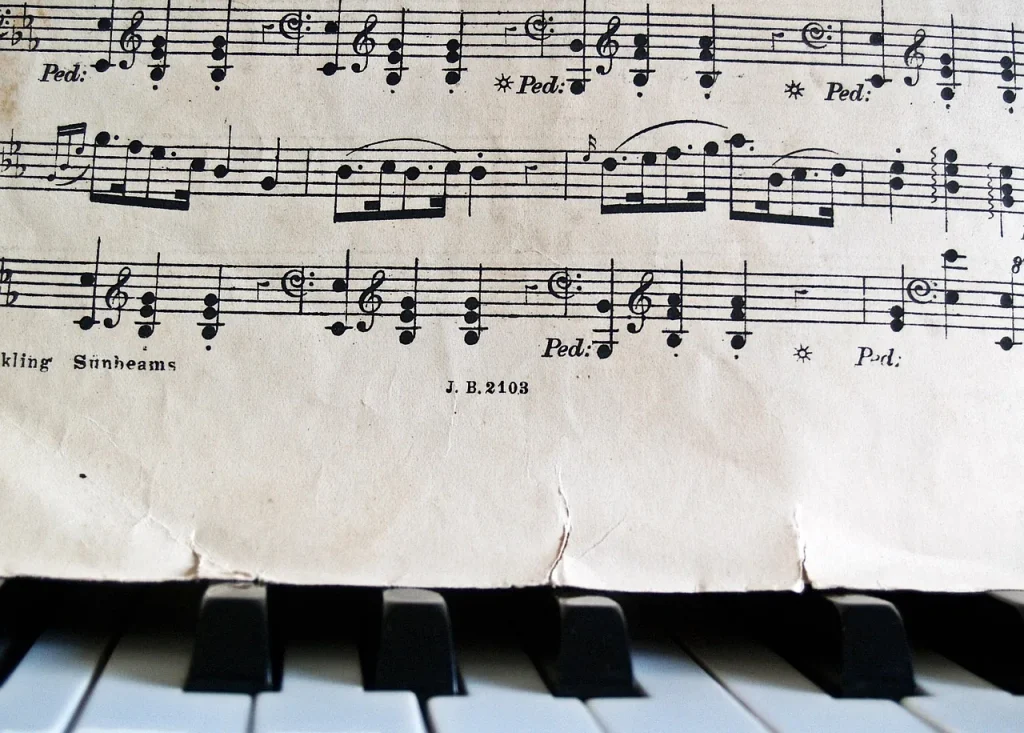
Goal: this article explores, through five clear reasons, why this piece of music has endured for centuries and touched so many listeners.
Composed around 1680 by Johann Pachelbel, the Baroque work combines a repeating bass line with a canon in three voices. The result sounds simple but conceals considerable compositional skill.
Its twentieth-century revival, especially after the 1969 recording, brought the melody to weddings, films and pop music. This widespread exposure partly explains its lasting popularity.
Each of the five reasons draws on concrete examples: historical context, musical structure, modern revival, adaptability and emotional impact.
An account of its origins provides further context before the final summary.
The work’s context and origins: a canon and gigue for three violins and basso continuo
Thought to date from around 1680, the work belongs to Baroque chamber music. It favors the intimacy and clear musical lines characteristic of the period.
Johann Pachelbel, a German composer and organist from Nuremberg, created a short but intricate piece. It has a clear place in the German instrumental tradition of the seventeenth century.
Instrumentation: three violins layer their melodies in imitation, supported by a basso continuo that supplies the harmony. The bass part can be played on a harpsichord, organ, viol or cello.
Form and character
The composition has two movements: a three-part canon in D major followed by a gigue in 12/8 time. The gigue is performed less often, but completes the work.
Depending on its tempo and articulation, the work can sound light and lively or solemn and majestic. Its ostinato and counterpoint reflect the varied practices of the seventeenth century.
“A score that seems simple at first, yet is rich in contrapuntal technique.”
For more on its origins and historical sources, this account helps explain why the piece circulated so widely and was rearranged for different instruments over the years.
Reason 1: a musical structure that is both simple and ingenious
The piece rests on an easy-to-follow foundation. A two-measure repeating bass line appears twenty-eight times. This pattern creates a hypnotic harmonic base that is easy to remember and open to variation.
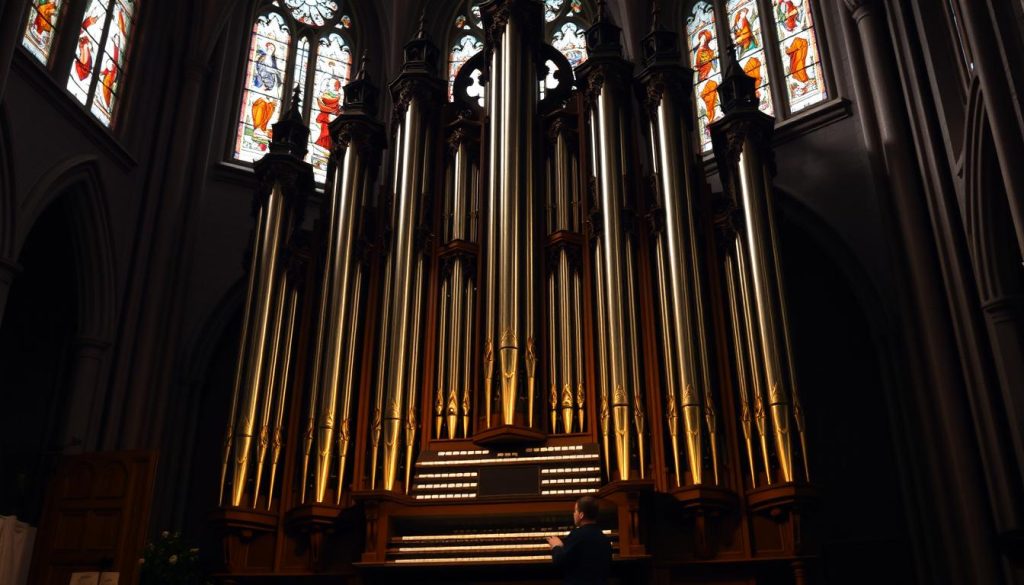
The main theme spans four measures, divided into two overlapping parts. Its restrained melody feels immediately familiar. The variations preserve that clarity while adding richness.
The repeating bass line
The basso continuo moves through clear chord changes. It maintains harmonic continuity and makes the composition accessible even to listeners without musical training.
The three-part canon
The three violins play the same part, entering two measures apart. This pattern of counterpoint and imitation weaves a regular, transparent polyphony.
Gradual rhythmic development
The twelve variations are grouped by increasingly quick note values: quarter notes, eighth notes, sixteenth notes and then thirty-second notes. The growing energy heightens the emotion without disturbing the work’s balance.
Reason 2: its modern revival and mass circulation from 1969 onward
In 1969, a recording by the Jean-François Paillard Chamber Orchestra provided a turning point. Its slow tempo and pizzicato arpeggios created a meditative sound that appealed to a wide audience.
During the 1970s, the piece spread quickly. From radio programmers to amateur orchestras, Paillard’s version became a reference point. Arrangements multiplied for guitar, piano, choir and orchestra.
Covers and popular uses
- The chord progression inspired several pop and rock songs.
- Artists such as Oasis and Maroon 5 drew on this melodic idea in their songs.
- Green Day and Aphrodite’s Child show how the pattern crosses genres.
Screen and emotion
Its use in films brought it wider recognition. In animation, its appearance in Neon Genesis Evangelion adds a nostalgic quality to key scenes.
“A pivotal recording, followed by countless covers and screen appearances, turned this Baroque piece into a cultural landmark.”
| Element | Example | Impact |
|---|---|---|
| Key recording | Paillard (1969) | Exposure to a wider audience |
| Pop and rock covers | Oasis, Maroon 5, Green Day | A familiar melodic pattern |
| Screen appearances | Films and animation | New audiences and shared emotions |
Reason 3: a versatile work suited to every instrument and format
From chamber concerts to contemporary stages, the piece takes on many colors. Its ostinato and spare theme allow for varied textures without losing its recognizable sound.
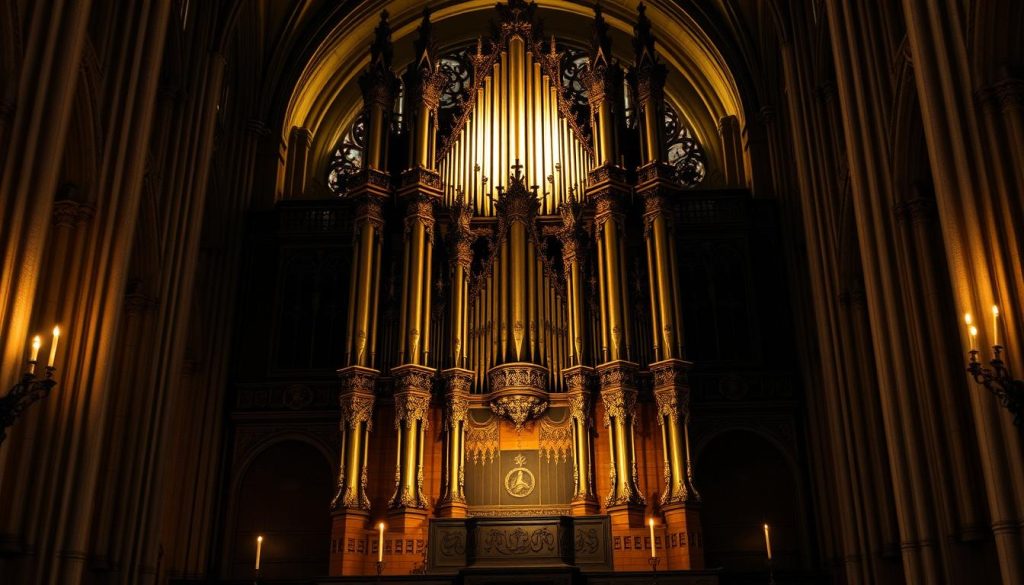
From harpsichord and organ to piano, guitar, flute, choir and orchestra
There are transcriptions for organ, harpsichord and modern piano, as well as guitar, flute, choir and full orchestra. Each instrument highlights something different: tone, articulation or power.
Arrangements and styles: rock, pop, hip-hop and jazz
Rock versions, such as JerryC’s virtuosic “Canon Rock,” introduced the piece to a new generation. Jazz, hip-hop and pop adaptations use its progression as a framework for improvisation or singing.
- Instrumental flexibility: the work remains recognizable even when its polyphony becomes a single accompanied melody.
- Teaching uses: the canon form helps students learn counterpoint and listen to other instrumental parts.
- Continuity: modern transcriptions extend a Baroque practice of adaptation while reflecting more recent tastes.
“The piece’s ability to change shape has greatly expanded its presence in concerts and online.”
Reason 4: an emotional power that enriches ceremonies
The same theme reveals its emotional range when the tempo and articulation change. Depending on its pace and dynamics, the piece takes on a solemn character or a light elegance, making it well suited to a procession.
The steady bass and clear harmony create a dignified setting. That is why the work has become a popular choice for wedding processions in France and elsewhere.
Slow versions, at around 68 quarter-note beats per minute, create space and anticipation. They encourage reflection. More lively performances convey celebration and movement.
Growing impact and instant recognition
As the rhythm develops into shorter note values, the emotion builds without breaking the calm. Just a few measures establish an immediate connection with the audience.
“The interplay of ostinato and contrapuntal lines creates an almost cathartic emotional peak.”
The piece suits religious rites and secular celebrations alike. Its ability to accompany many ceremonies helps explain why Pachelbel’s Canon has become part of how we mark major moments in life.
Reason 5: a deep musical legacy and a widely recognized progression
A simple, logical sequence of chords has endured to become a shared musical language. This progression (I–V–VI–III–IV–I–IV–V) provides a framework for thousands of modern songs.
Echoes in other composers’ works: Handel used a comparable repeating bass line, notably in the Andante of his organ concerto HWV 310. Structural similarities also appear in Haydn and Mozart, though the works are not identical; they share an interest in tension and resolution.
The German composer Johann Pachelbel lived in the same century as these figures and had close ties to the Bach family. His friendship with Johann Ambrosius and his teaching of Johann Christoph show a real connection between their musical traditions.
Adoption in popular music
The harmonic pattern appeals because it creates an immediate effect of resolution. From pop to rock, the progression supports both polyphony and accompanied melody.
- Instrumentation: the pattern works from organ to quartet and from guitar to flute.
- Culture: instant recognition helps audiences connect with it.
- Legacy: it balances sophisticated counterpoint with simple harmony.
“Over the centuries, this progression has become a familiar pattern linking classical music and popular songwriting.”
Why is Pachelbel’s Canon so popular? A five-point summary
Five complementary strengths explain how an old melody found a lasting place in modern life.
1) An irresistible structure: a two-measure ostinato, a four-measure theme and variations in canon. This makes the piece easy to remember and repeat.
2) A modern catalyst: the landmark recording of 1969 introduced the piece to a broad audience through radio, orchestras and other media.
3) Exceptional adaptability: transcriptions for organ, piano, guitar and large ensembles show that the work fits many formats.
4) Distinctive emotional power: choices of tempo and dynamics create a solemn or intimate effect suited to ceremonies and films.
5) A widely recognized progression: its chord sequence has inspired many pop songs and is immediately familiar.
The result is a sophisticated yet accessible work whose popularity rests on its form, circulation, adaptations, emotional impact and harmonic legacy.
Conclusion
In summary
From the seventeenth century to contemporary playlists, the piece has endured. Its clear structure, its spread after the 1969 recording and its adaptation for many instruments explain its longevity.
Composer Johann Pachelbel brought contrapuntal rigor and an accessible melody together in one piece. The work remains a touchstone of music and classical music, often heard at ceremonies and on screen.
To explore its reception and modern fame further, it helps to revisit the historic recording and the gigue. Together, they reveal the balance Pachelbel devised. Several forces keep his canon popular and relevant to our times.