
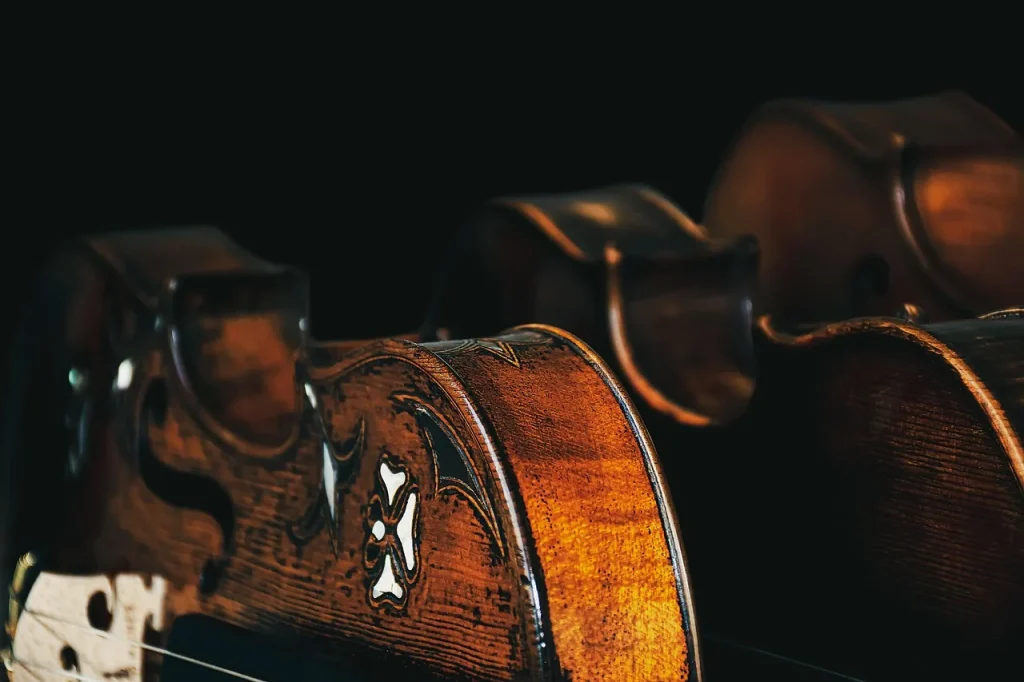
Air on the G String is a famous piece by Johann Sebastian Bach. It was written between 1717 and 1723. The piece is the second movement of Orchestral Suite No. 3 in D major, BWV 1068.
It is known for its beauty and melody, which make it an essential part of Bach’s classical music.
For centuries, Air on the G String has touched the hearts of music lovers. It testifies to Bach’s genius and his influence on Western music. Bach wrote more than 1,000 works, including Air on the G String.
He used techniques such as a descending bass line. Many artists, including Procol Harum, have drawn inspiration from Bach.
Historical context of Air on the G String
Air on the G String, a major piece by Johann Sebastian Bach, emerged from a rich period in Bach’s history. Bach was then working for the court of Anhalt-Köthen. This period, from 1717 to 1723, was highly productive for him, thanks to the support of his patron Leopold.
Origins of the composition
Air on the G String is the second movement of Suite No. 3 in D major, BWV 1068. It was often played at weddings or funerals. The piece has endured through the centuries and remains cherished for its beauty and emotion.
Bach’s role at the court of Anhalt-Köthen
Bach was the court music director at Anhalt-Köthen. There, he was able to develop his musical talent. His position gave him the freedom to compose, including Air on the G String.
The influence of his patron Leopold of Anhalt-Köthen
His patron Leopold, a music lover and violinist, influenced Bach. His financial support and taste for music helped Bach create Air on the G String. Their relationship shows how important patrons were to artists of the time.
The work’s structure and musical characteristics
Air on the G String is a key movement of Orchestral Suite No. 3. Its distinctive structure holds the listener’s attention. This movement, often regarded as a sarabande, is characterized by a slow tempo and great expressiveness. These qualities reveal Bach’s emotional depth.
The flowing melody draws in the listener, while the rich harmony contributes to the work’s atmosphere and beauty.
Analysis of the sarabande movement
The sarabande contrasts with the other, more energetic sections. This introspective piece reveals the work’s quiet beauty. Its melody, both simple and complex, invites complete immersion.
To learn more, see these details about the movements.
The instruments and their roles
String instruments are essential to this composition. The violin and cello convey emotion through their distinctive sounds. Each performance brings a personal touch that enriches the listening experience.
The strings highlight the melody and provide delicate accompaniment. This heightens the work’s poetic effect.
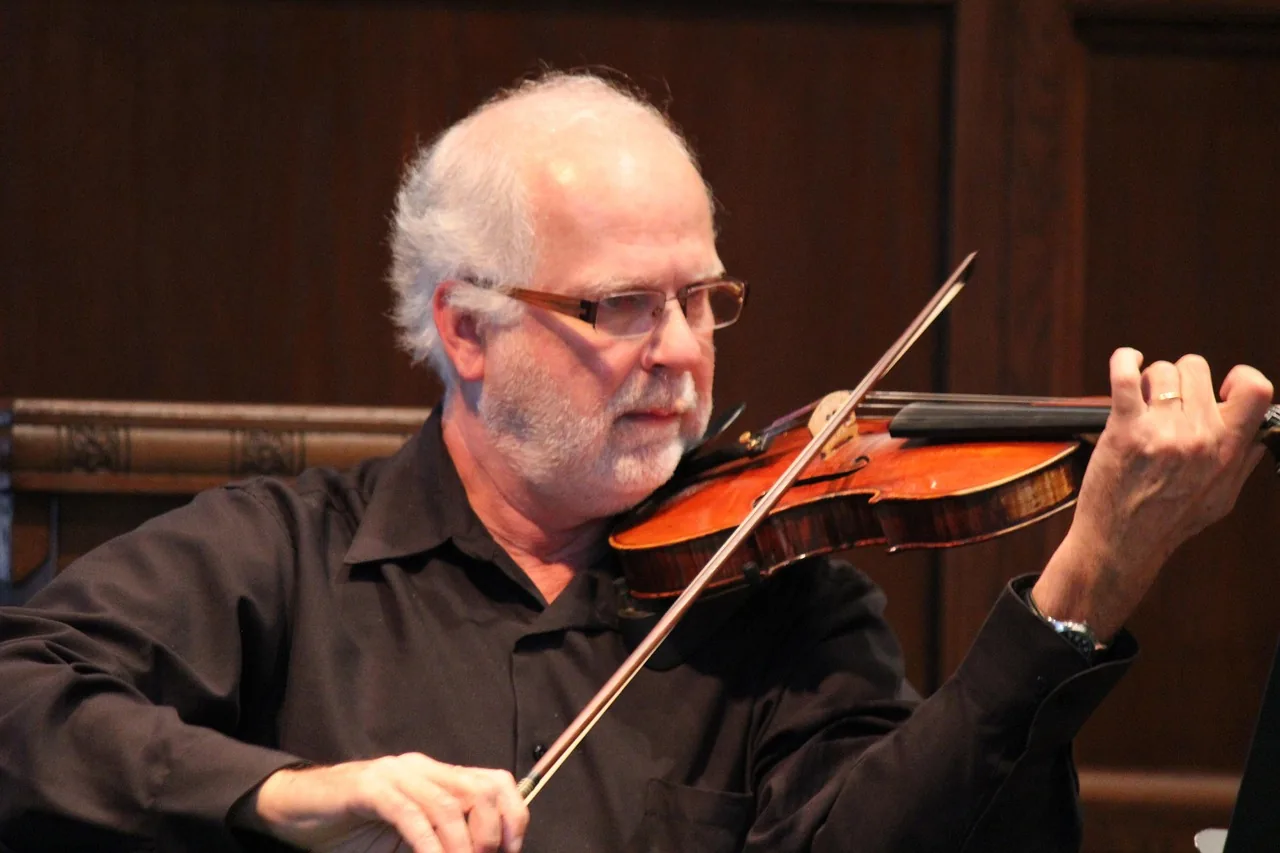
Discover Johann Sebastian Bach’s Air on the G String
Johann Sebastian Bach’s Air on the G String has captivated listeners across generations. It has inspired varied and moving performances. Quartets and soloists have helped make the piece famous throughout the world of classical music.
The Zaïde Quartet, known for its impeccable technique, has paid special tribute to this iconic work and brought out its melodic richness.
Notable performances of the work
Many artists have offered their own interpretation of Air on the G String, enriching the classical repertoire. Chamber orchestra versions stand out for their delicacy.
Solo performances reveal the essential beauty of the piece. Some draw on inventive arrangements that reflect the nuances of each instrument.
Famous arrangements for cello
Famous arrangements of Bach’s works have helped the piece evolve within the cello repertoire. The adaptation by German violinist August Wilhelmj is one of the best known. It encouraged reinterpretations for cello, creating new listening experiences.
In this context, Bach’s cello piece remains one of the most influential. Its many performance styles demonstrate the work’s flexibility.
| Artist | Type of performance | Arrangement |
|---|---|---|
| Zaïde Quartet | Chamber orchestra | Original |
| August Wilhelmj | Violin | Transposition |
| Martin Rummel | Cello | Classical |
Discover the musical impact of this piece by listening to an orchestral performance. It highlights the importance of performing Air on the G String and its arrangements within classical music.
The impact and renown of Air on the G String
Johann Sebastian Bach’s Air on the G String has had a major cultural impact. This piece, from Orchestral Suite No. 3, is known for its memorable melody and exceptional bass line. It influences music today, as adaptations by artists such as Frédéric Sabatier show. Sabatier adapted the score for the Ad Libitum orchestra, adding a touch of gentleness.
The Air in pop culture and contemporary music
Modern versions of the Air have been used in films, advertisements, and shows. This shows that Bach continues to influence music today. Jean Sibelius, for example, used elements of the Air in his Andante Festivo, creating a link between eras.
References in other musical works
Many musical works have been influenced by Air on the G String. Giovanni Battista Pergolesi, in his Stabat Mater, was moved by Bach’s emotion. Bach himself adapted the Air in his cantata Tilge, Höchster, meine Sünden, BWV 1083. These adaptations show Bach’s lasting influence on music.
Exploring Bach’s musical influence reveals how deep and enduring it is.
| Artist | Work | Type |
|---|---|---|
| Frédéric Sabatier | Adaptation of Suite No. 3 | Ad Libitum Orchestra |
| Jean Sibelius | Andante Festivo | String orchestra |
| Giovanni Battista Pergolesi | Stabat Mater | Choir and strings |
| Johann Sebastian Bach | Tilge, Höchster, meine Sünden, BWV 1083 | Cantata |
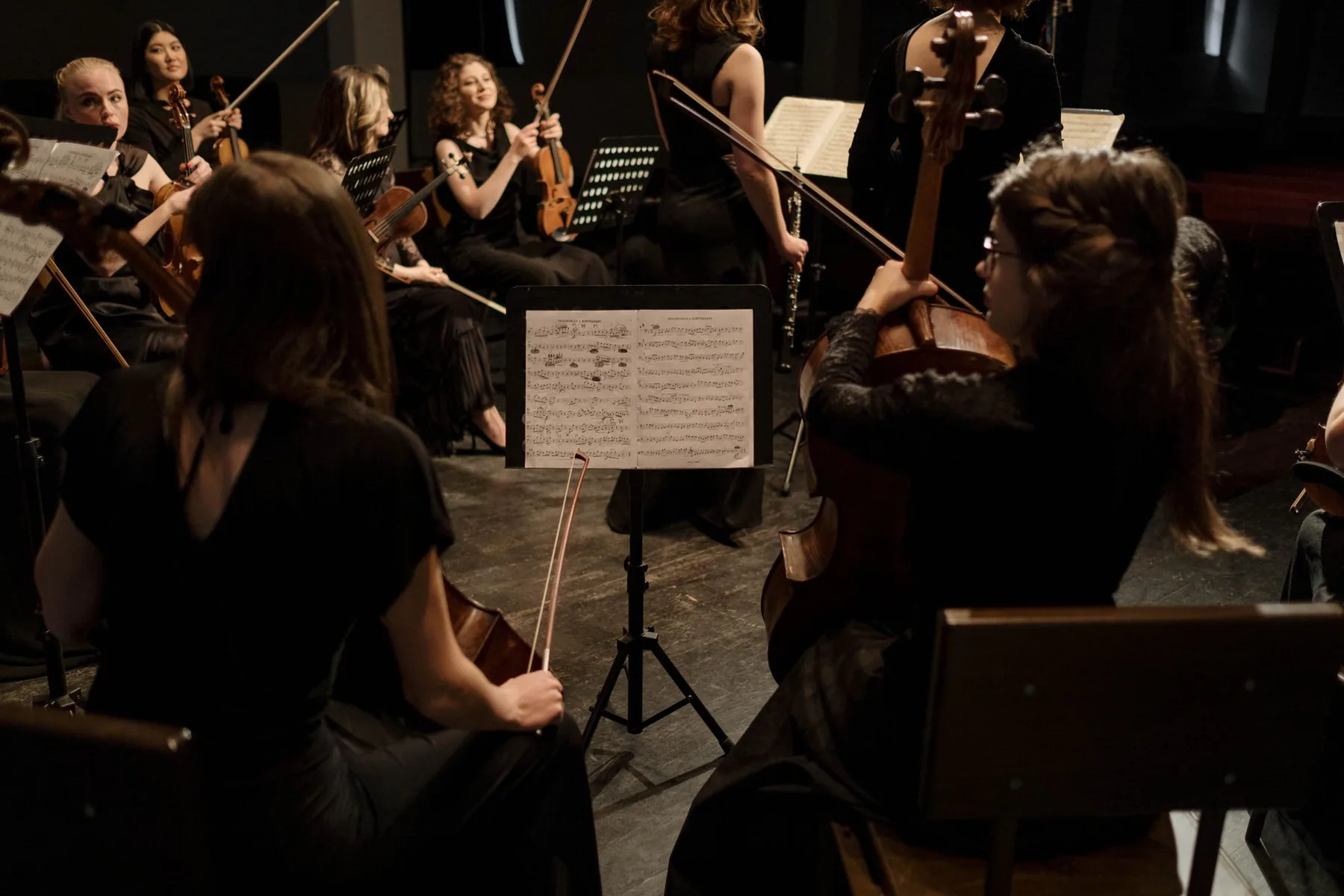
Conclusion
Johann Sebastian Bach’s Air on the G String is a true treasure of classical music. Its beauty, harmonic richness, and expressiveness transcend time. This masterpiece, written in the eighteenth century, has found a place in many cultural settings, from classical concerts to film soundtracks.
Discovering this work brings Bach’s extraordinary talent into focus. His influence continues to reach new generations. Modern arrangements of Air on the G String attract a wide audience, demonstrating the timeless appeal of classical music.
To better understand Bach and his music, it helps to study his works and his life. An article about Johann Sebastian Bach shows his impact on history. Air on the G String is more than a piece of music: it is a living symbol of music.